U.S.-Japan yen intervention has not changed the forces driving the dollar
The yen has given back about half its post-intervention rebound as a wide yield gap keeps investors favoring dollar assets.
By Dev Ramirez · Crypto Correspondent
· 3 min read
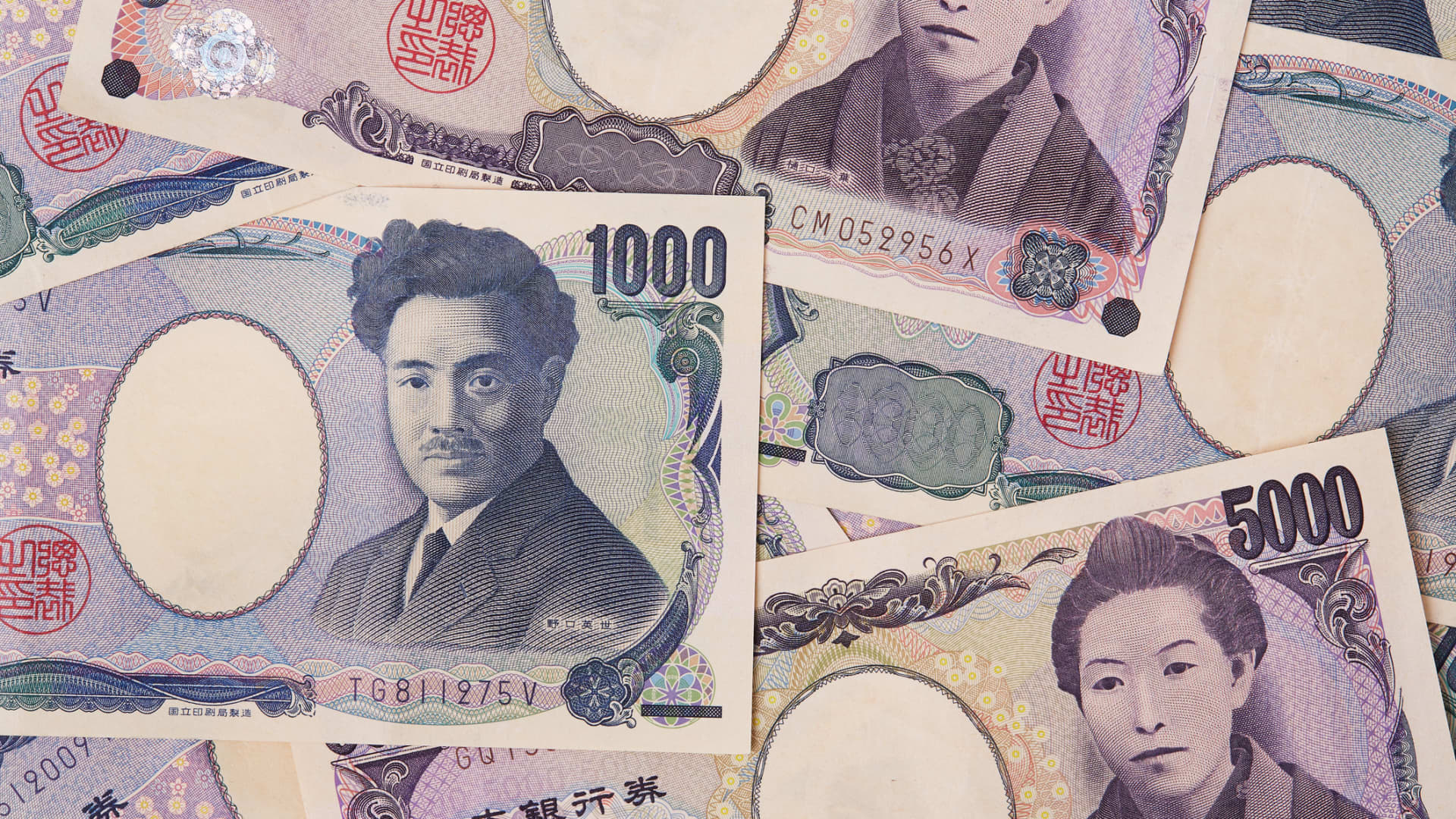
The U.S.-Japan yen intervention produced a quick rebound in Japan’s currency, but that move has already faded. The yen rose from above 163 per dollar to about 155 after Washington and Tokyo bought yen together, then weakened back above 159 in less than two weeks, according to CNBC. For investors, the episode shows how official action can jolt currency markets without changing the return incentives behind a trade.
The coordinated operation was the first joint U.S.-Japan yen-buying effort since 1998, CNBC reported. It helped curb speculation against the yen and showed that both governments were willing to act. Yet analysts say the intervention has not removed the economic factors supporting the dollar.
Why has the U.S.-Japan yen intervention not held?
The central issue is the gap between returns available in the U.S. and Japan. CNBC put the 10-year U.S. Treasury yield at 4.686%, compared with 2.846% for 10-year Japanese government bonds, a difference of roughly 1.84 percentage points.
That spread encourages a carry trade: investors borrow at relatively low Japanese rates and put the money into higher-yielding assets overseas. The trade can create demand for dollars and selling pressure on yen. Jesper Koll, an expert director at Monex Group, told CNBC that the trade will re-emerge while borrowing costs in Japan remain below returns abroad.
In this episode, that still-wide yield advantage has limited the intervention’s durability. Masahiko Loo, a senior fixed-income and currency strategist at State Street Global Advisors, told CNBC that the operation changed market psychology and displayed unusual policy coordination, but did not erase the dollar’s yield advantage.
Other pressures are reinforcing it. CNBC cited higher Treasury yields and elevated oil prices, which are a challenge for energy-importing Japan. Crédit Agricole CIB also pointed to stronger U.S. investment demand, including spending on artificial intelligence, while Japan’s planned public-private investment push had yet to fully take shape.
What would need to change for the yen to recover more durably?
Analysts cited by CNBC said Japan would likely need higher interest rates, U.S. yields would need to fall, or Japanese assets would need to offer a more compelling reason for capital to stay at home. The Bank of Japan’s next policy meeting was scheduled for September. Reuters reported that the BOJ had held its policy rate at 1% at its previous meeting.
John Wood, Lombard Odier’s chief investment officer for Asia, told CNBC that the latest intervention would probably have a limited-time effect and that the BOJ might need at least two further rate increases. That is an analyst assessment, not a confirmed policy path.
The intervention may still serve a practical purpose. Loo described 160 yen per dollar as a political threshold, rather than an official fixed exchange-rate target, and said a fast or disorderly move through that level could prompt another response. Japan’s Finance Ministry has confirmed coordinated action with the U.S. and said it would not rule out further steps, Reuters reported.
Officials have also highlighted the Federal Reserve’s FIMA repo facility, which lets foreign central banks obtain dollar liquidity against Treasury securities rather than selling those bonds outright, according to CNBC. That tool may make yen support easier to finance, but it does not narrow the U.S.-Japan yield gap.
Historical IMF research found coordinated yen-dollar interventions were more effective than unilateral operations in its study of earlier episodes. The current case has delivered an initial market move and a stronger warning to speculators. A lasting reversal, analysts say, depends on changes beyond a one-off currency purchase.
This story draws on original reporting from CNBC.