U.S.-South Korea drills canceled as analyst sees tighter alignment test
Washington moved to cancel planned Marine drills with South Korea, while an analyst says allies may gain autonomy but face an alignment test.
By Jordan Bell · Startups & Deals Reporter
· 3 min read
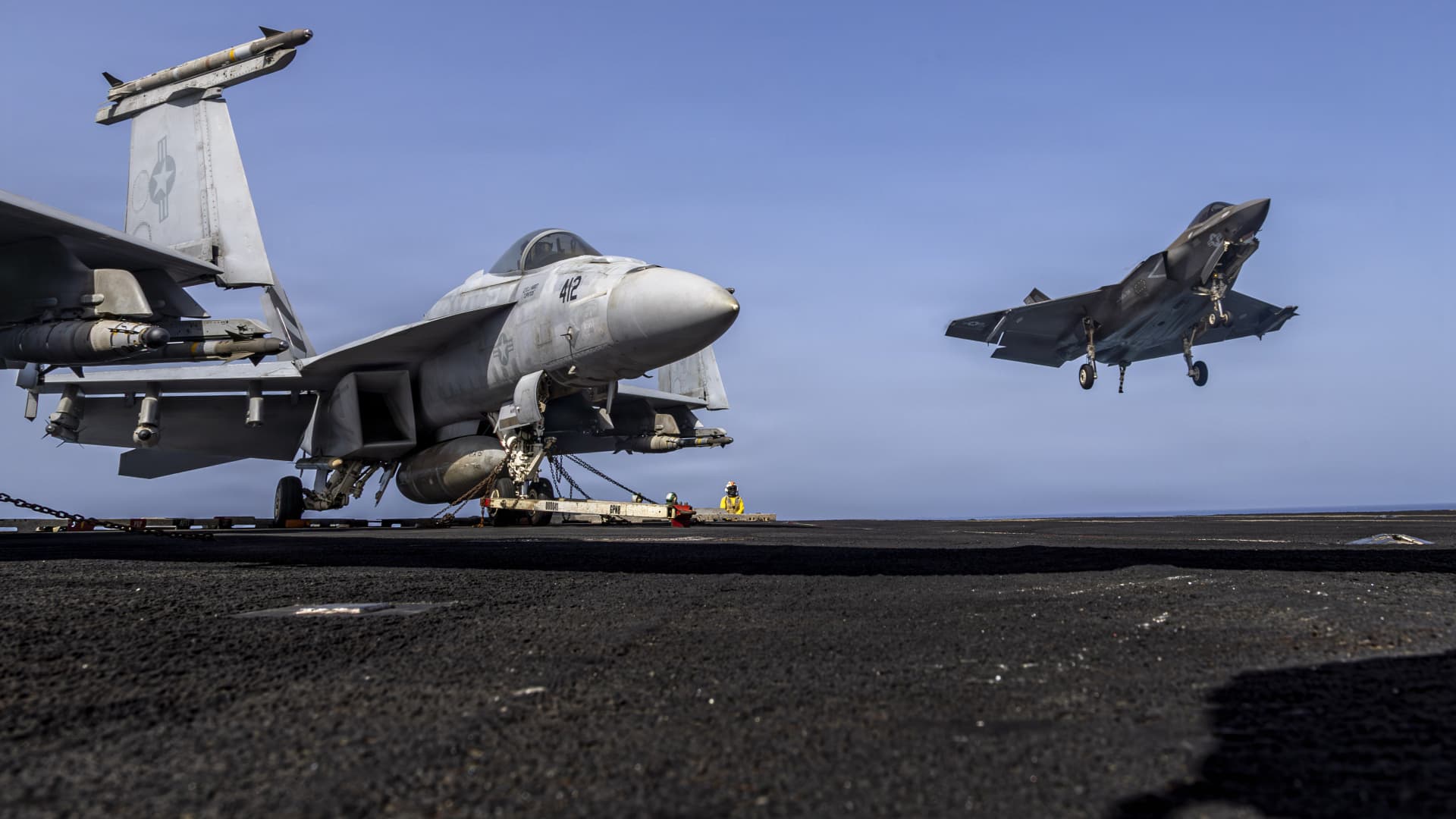
The reported cancellation of U.S.-South Korea Marine drills is the immediate development behind a broader question for investors tracking security risk in Asia: how much room will U.S. allies have to build their own defenses as Washington reduces direct involvement? CNBC reported that the U.S. military moved to cancel the exercises, which had been scheduled for the following month, because the war in Iran had created resource constraints.
Derek Grossman, a University of Southern California political-science professor, told CNBC that a smaller U.S. role would not mean Washington becomes indifferent to what its allies do. His assessment is not a stated administration policy. He said the United States could accept allies taking on more responsibility if their security choices remain consistent with U.S. interests.
The distinction is significant. A country can spend more on its military, train with neighbors and join regional security groups without direct U.S. participation. Under Grossman’s reading, Washington would still judge whether those arrangements support or conflict with its own strategic goals.
Why were U.S.-South Korea Marine drills canceled?
CNBC said the planned drills were canceled because of constraints tied to the Iran war. The report also said President Donald Trump had renewed calls for a substantial reduction in joint military exercises with South Korea. Trump cited the cost of the drills, Seoul’s refusal to support U.S. war efforts against Iran and his relationship with North Korean leader Kim Jong Un, according to CNBC.
The cancellation does not establish a formal, wider U.S. withdrawal from Asia. It does, however, provide a near-term example of how commitments elsewhere can affect military activity in the region.
What does the alignment test mean for Asian allies?
Grossman offered a practical example. He said Washington could be comfortable with Australia, Japan and the Philippines meeting in a smaller security grouping without the United States because it trusts those countries. He contrasted that with Japan pursuing meetings with China and Russia, which he described as a concern.
Jennifer Kavanagh, a senior fellow and director of military analysis at Defense Priorities, told CNBC that allies would probably respond to less direct U.S. involvement by raising military spending, putting more money into their own defense capabilities and developing relationships with neighboring countries. She said partnerships that exclude the United States could eventually serve as an alternative option for allies.
Grossman also described Taiwan’s defense as the administration’s central focus in Asia while other parts of the region are being deprioritized. CNBC reported that Secretary of State Marco Rubio previously said the United States was not considering abandoning Taiwan and warned Beijing against destabilizing actions involving the island.
Grossman questioned whether Washington has adequately explained how it would defend Taiwan while fighting in Iran and using munitions there. That remains an analyst’s challenge to the strategy, rather than evidence that U.S. commitments to Taiwan have changed.
This story draws on original reporting from CNBC.


