U.S. Strategic Petroleum Reserve falls below 300 million barrels
The U.S. emergency crude-oil stockpile fell to 298.7 million barrels, its lowest level since 1983, after releases tied to supply disruptions.
By Dev Ramirez · Crypto Correspondent
· 3 min read
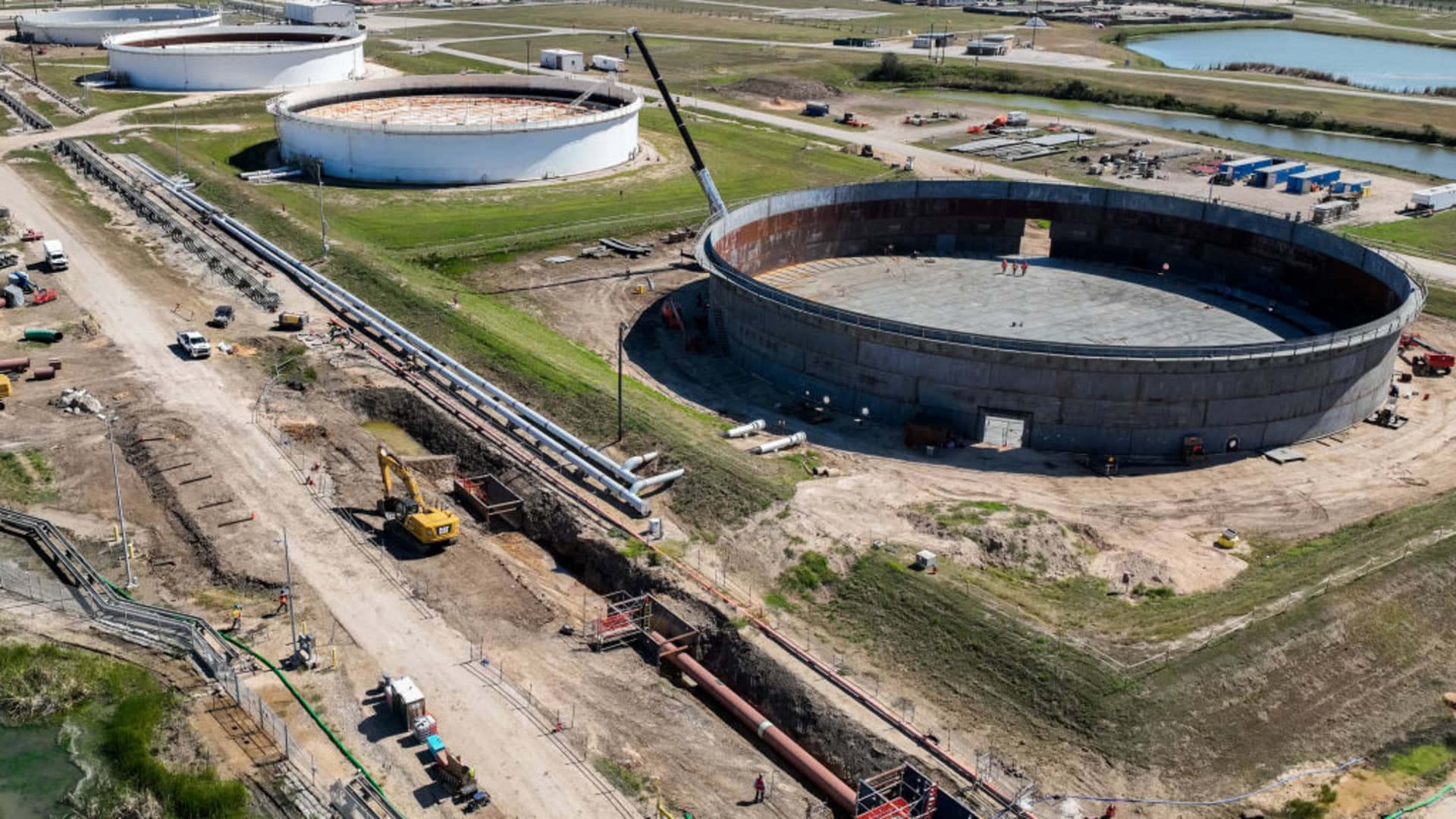
The U.S. Strategic Petroleum Reserve below 300 million barrels is now a reality: stocks fell by 6.1 million barrels in the prior week to 298.7 million barrels, according to CNBC’s August 10 report citing Department of Energy data. That is the reserve’s lowest level since 1983, leaving the federal government with a smaller crude-oil buffer during a period of supply disruption.
The decline took the SPR below the 300 million-barrel mark. CNBC reported that President Donald Trump ordered the release of 172 million barrels in March to respond to an oil-supply disruption after Iran attacked tankers in the Strait of Hormuz.
For investors and consumers, the headline is about the size of an emergency backstop, rather than a direct measure of gasoline in storage. The reserve holds crude oil, which must be refined before it becomes gasoline, diesel or jet fuel.
What is the Strategic Petroleum Reserve meant to do?
Congress created the SPR in 1975 to help protect the U.S. economy from short-term petroleum-supply interruptions, according to the Bipartisan Policy Center. The president can order an emergency drawdown during a severe supply interruption or to meet an International Energy Agency obligation.
The reserve is stored in 61 underground salt caverns at four Gulf Coast sites in Texas and Louisiana. When oil is released, the Energy Department typically sells crude to companies through competitive auctions, the Bipartisan Policy Center says.
A much smaller inventory than recent history
The 298.7 million barrels reported by CNBC amount to about 42% of the SPR’s stated 714 million-barrel maximum capacity. On that basis, roughly 415.3 million barrels of nominal capacity is unfilled.
The reserve had already fallen to 308 million barrels as of July 24, its lowest point since 1983 at that time, according to the Bipartisan Policy Center’s review of Energy Information Administration data. The group says SPR holdings had generally remained above 540 million barrels since 1990.
Recent drawdowns include a 180 million-barrel emergency release in 2022 after Russia’s invasion of Ukraine disrupted oil flows, along with congressionally mandated sales, according to the Bipartisan Policy Center. CNBC separately reported that the latest 172 million-barrel release was ordered in response to the Strait of Hormuz disruption.
Why the remaining barrels are different from commercial oil stocks
SPR inventory is separate from commercial crude inventories held by oil companies. The EIA reported commercial crude stocks, excluding the SPR, at 407 million barrels for the week ended July 31. Those commercial figures include oil at refineries and tank farms, plus some pipeline and in-transit supplies.
Lower SPR volumes can also affect how quickly crude can be withdrawn. The Bipartisan Policy Center puts the reserve’s theoretical withdrawal capacity at 4.4 million barrels per day, while noting that the effective rate can fall to roughly 1 million to 1.4 million barrels per day when stocks are low. That distinction means the reserve’s maximum storage capacity is not the same as immediately available supply.
This story draws on original reporting from CNBC.