US strikes Iran after missile attack on American forces
U.S. forces resumed strikes on Iran after intercepted missile attacks, adding pressure to oil markets and shipping near Hormuz.
By Maya Okafor · Markets Writer
· 3 min read
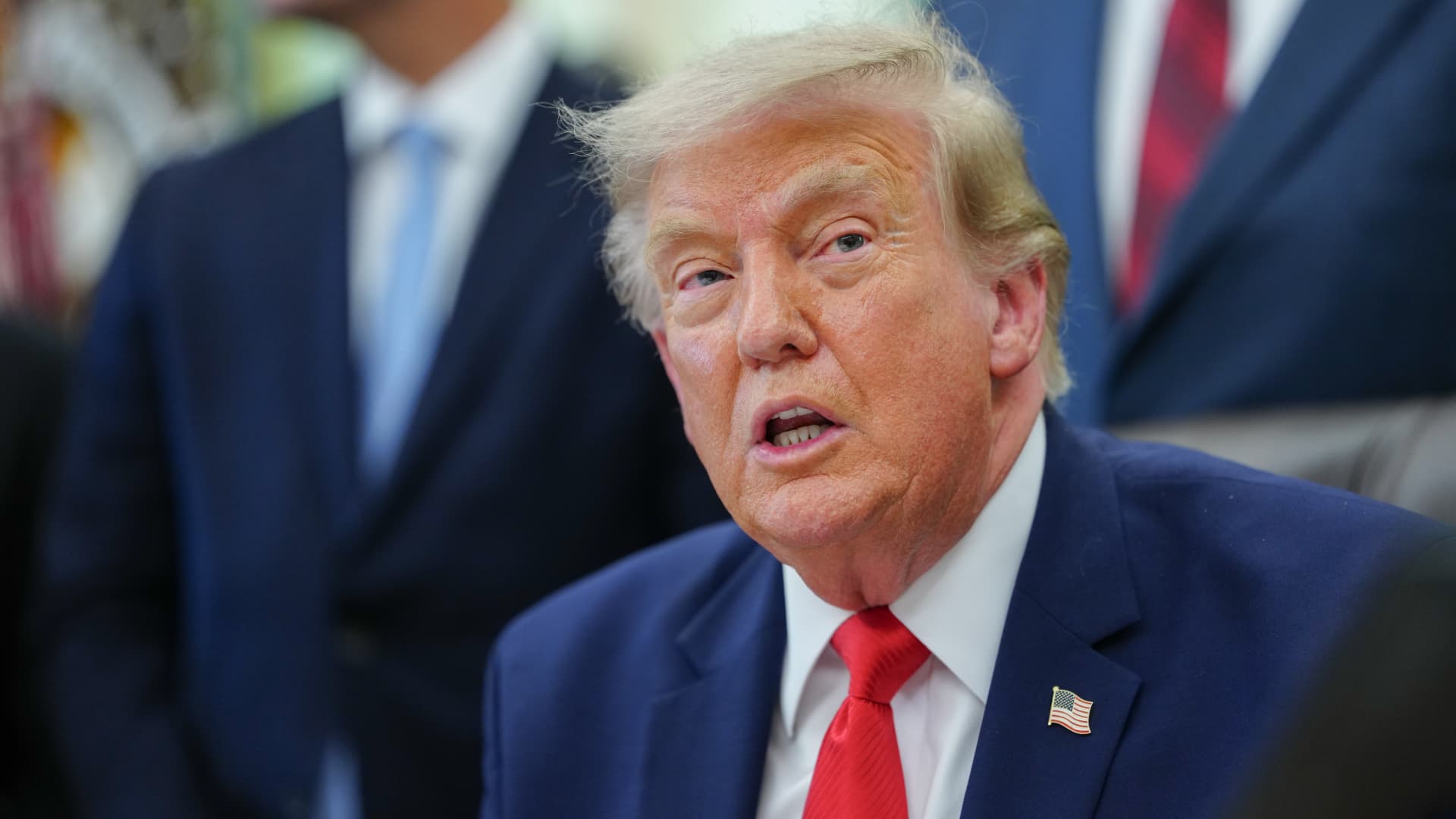
US strikes Iran again after a days-long pause, with U.S. forces launching new attacks at 8 p.m. Wednesday stateside in response to Iranian missile attacks on American forces in the region, according to U.S. Central Command. For everyday investors, the escalation matters because the conflict has already shaken oil markets and interrupted shipping through the Strait of Hormuz.
U.S. Central Command said the operation was a “powerful response” to what it described as Tuesday’s attempted Iranian attacks on U.S. forces stationed in the Middle East. The command’s statement framed the latest action as retaliation after Iran’s missile launch, rather than a fresh opening move.
The strikes deepen a conflict that had briefly slowed after several days without U.S. attacks. Fighting first erupted in late February, according to CNBC, and has since fed volatility in energy markets, where traders react quickly to risks around supply routes and production hubs.
What happened in the US strikes on Iran?
U.S. forces began the new round of strikes against Iran on Wednesday evening in the United States, according to U.S. Central Command. The attacks followed a missile barrage late Tuesday stateside by Iran’s Islamic Revolutionary Guard Corps targeting American forces in the Gulf region, CNBC reported.
Multiple ballistic missiles were launched in that attack, but all were intercepted, according to CNBC. Ballistic missiles are weapons that follow a high, arcing flight path before descending toward a target, which is why regional air defenses often become central in stopping them before impact.
Jordan’s armed forces said the country’s air defenses intercepted five missiles launched from Iran, according to Al Jazeera. The report did not describe damage from those interceptions, and CNBC reported that the Iranian missiles aimed at American forces were stopped.
The Islamic Revolutionary Guard Corps, often referred to as the IRGC, is Iran’s elite military force. Its involvement signals that the attack came from a core arm of the Iranian state, according to the reporting cited by CNBC.
Why does this matter for markets?
The conflict has already whipsawed oil markets, CNBC reported. Oil prices can move sharply during military escalations when investors worry that supply, shipping, or insurance costs could be affected.
The Strait of Hormuz is central to the market reaction because CNBC reported that shipping through the waterway has been disrupted since the fighting began. When shipping in that area is interrupted, investors tend to watch energy prices, transportation costs, and inflation expectations more closely.
Those market effects can reach beyond oil companies. Higher energy costs can pressure airlines, manufacturers, delivery businesses, and consumers, while sudden price moves can also affect broad stock indexes. The reporting does not say how long the latest round of strikes will last or whether additional attacks are planned.
For now, the confirmed timeline is narrow: Iranian forces launched missiles late Tuesday stateside, the missiles were intercepted, and U.S. forces resumed strikes against Iran at 8 p.m. Wednesday stateside, according to U.S. Central Command and CNBC. The next market focus is likely to be whether the escalation further disrupts shipping through the Strait of Hormuz or adds more volatility to oil prices.
This story draws on original reporting from CNBC.


