Venezuela oil sales have topped $13 billion, Trump says
Trump said U.S. Venezuela oil sales have brought in more than $13 billion after Washington took control of the country’s energy exports.
By Dev Ramirez · Crypto Correspondent
· 2 min read
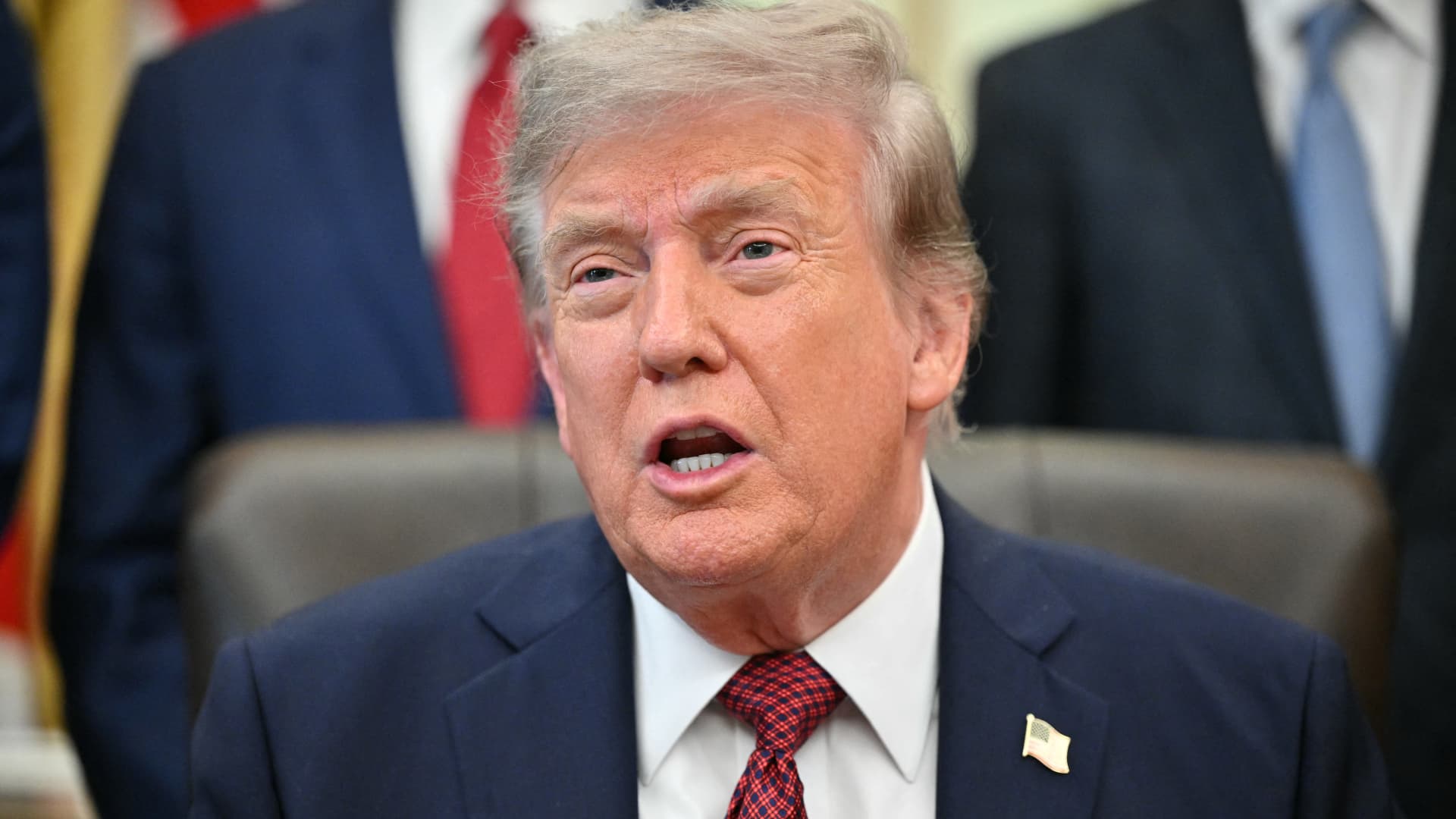
President Donald Trump said Monday that U.S. Venezuela oil sales have exceeded $13 billion this year, a figure that puts a fresh number on Washington’s control of the country’s energy exports. For everyday investors, the remark matters because oil revenue, sanctions policy and government control of exports can all affect how crude markets read geopolitical risk.
Trump made the comment to reporters aboard Air Force One while traveling to Michigan for a tour of a General Motors facility, according to CNBC. He was asked about a Financial Times estimate that his administration had collected about $13 billion from the oil sales program this year.
“$13 billion from Venezuela? I think even more than that,” Trump said, according to CNBC’s account of his remarks. “We’ve paid for that war many times over.”
CNBC reported that the U.S. has sold Venezuelan oil since taking control of the South American country’s energy exports after former Venezuelan President Nicolás Maduro was overthrown in January. The report did not provide further details on the structure of the sales program or how the revenue has been allocated.
How much Venezuela oil has the U.S. sold?
The number cited publicly by Trump is more than $13 billion. The Financial Times estimate he was responding to put the administration’s revenue from the program at roughly $13 billion for the year, while Trump said the total was higher.
Revenue means money brought in from sales before any further accounting treatment is explained. In this case, the figure refers to proceeds tied to the oil sales program described by the Financial Times and discussed by Trump, not a full public breakdown of costs, buyers or shipment volumes.
The distinction matters for investors tracking energy headlines. A large dollar figure can signal the scale of oil flows under government control, but it does not by itself show profit, production levels, export destinations or the effect on global oil supply.
Oil markets often react to changes in supply expectations, including whether barrels from a producing country are reaching buyers or being restricted. The available comments from Trump and the Financial Times estimate establish the size of the reported revenue, but they do not show whether the sales changed benchmark oil prices or altered supply forecasts.
CNBC described the story as developing. No additional figures, documentation or policy details were included in the initial report.
This story draws on original reporting from CNBC.


