Visa BioCatch acquisition: $2.4 billion deal targets digital fraud
Visa has agreed to buy BioCatch for $2.4 billion in cash, adding behavior-based fraud detection as regulatory approvals remain pending.
By Maya Okafor · Markets Writer
· 3 min read
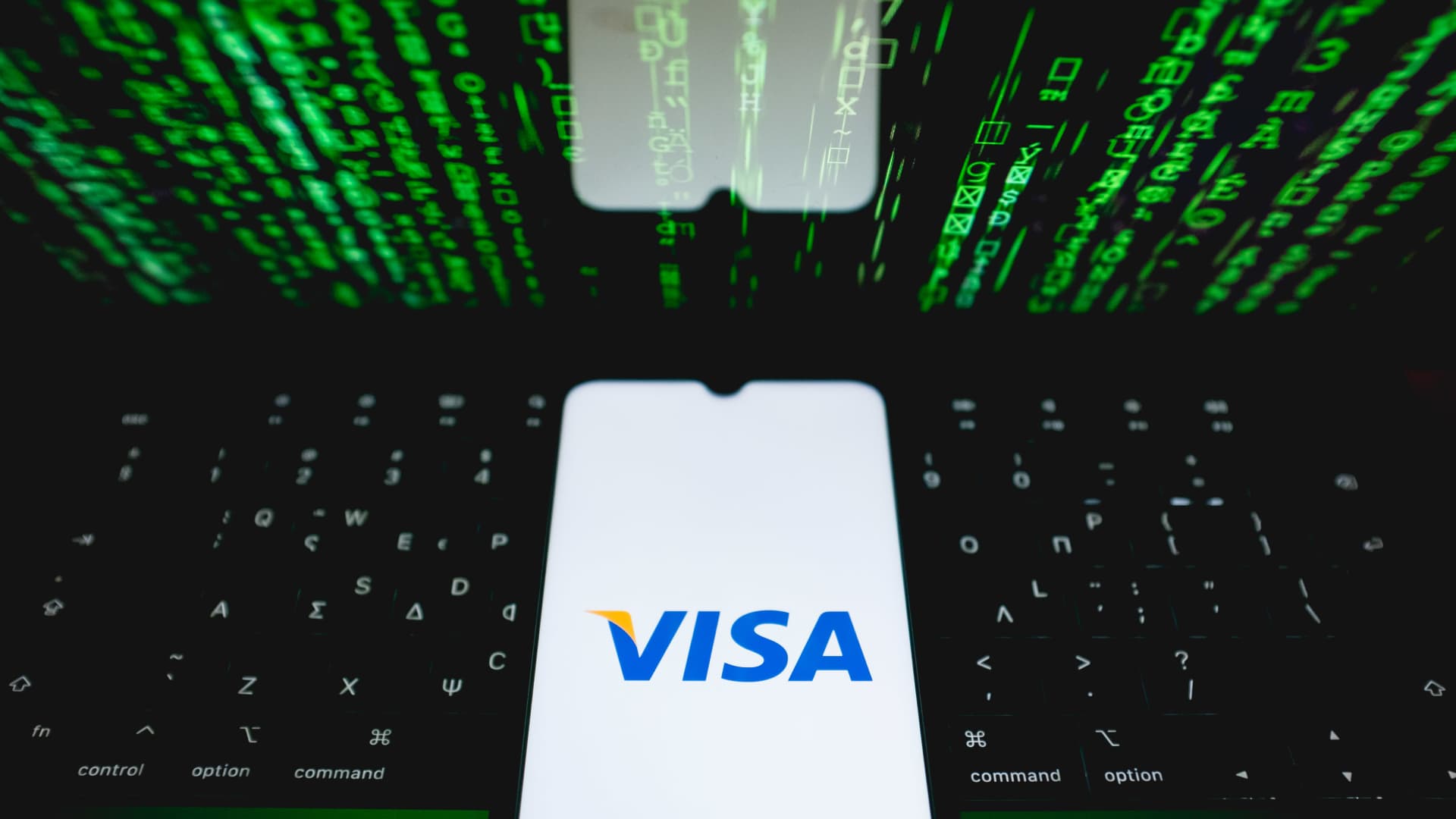
Visa has agreed to pay $2.4 billion in cash to acquire fraud-intelligence company BioCatch, a proposed deal that would give the payments company more tools to identify suspicious behavior during online banking sessions. The Visa BioCatch acquisition $2.4 billion agreement is still awaiting customary closing conditions and applicable regulatory approvals, so it has not yet been completed.
Visa said it signed the definitive agreement with funds advised by private-equity firm Permira and other BioCatch shareholders. The company expects the transaction to close by the end of its fiscal second quarter of 2027, though that timing is a forward-looking expectation and can change.
The announcement dated Aug. 3 followed Permira’s July announcement that it had agreed to sell BioCatch to Visa. Both companies described an all-cash transaction valued at about $2.4 billion.
What is Visa buying from BioCatch?
BioCatch makes software that Visa describes as behavioral-first, multi-signal fraud intelligence. In plain terms, it reviews signals generated while someone uses a digital banking service, including keystrokes, touch gestures, device handling, application information and network data.
BioCatch says its artificial-intelligence and machine-learning models use those signals to distinguish legitimate users from fraudsters in real time. Visa said the technology is intended to help financial institutions address account takeovers, scams, application fraud and money-mule activity, potentially identifying risks before a payment is made.
That makes the transaction an expansion of Visa’s cyber, fraud, risk and security offerings, rather than an acquisition centered on its card-payment network. Visa sells these tools through its value-added services business to financial institutions.
Why Visa sees fraud detection as a growth area
Visa President of Value-Added Services Andrew Torre said account takeovers and scams cost the global economy more than $1 trillion a year, and said AI is enabling such attacks at unprecedented scale. Those figures and the assessment of AI’s impact are Visa’s assertions; the available materials do not independently measure an overall increase in AI-enabled scams.
Visa also said it has invested more than $13 billion during the past five years in technology and infrastructure aimed at protecting the payments ecosystem and reducing fraud. The company said BioCatch would complement that work and its existing suite of security products.
BioCatch reported that its services are used by more than 350 banking clients in 21 countries, including more than 100 of the world’s largest banks. It said it protects 760 million users across 1.8 billion devices and analyzes 19 billion user sessions each month. Those scale figures are company-reported metrics, not independently verified measures of the product’s effectiveness.
What happens next
The parties must secure required regulatory approvals and satisfy other customary conditions before closing. Visa warned in its announcement that expected timing, integration and client benefits are forward-looking statements subject to risks, including the approval process and the pace and success of combining the businesses.
For Visa investors, the key point is that the agreement commits the company to a $2.4 billion cash acquisition if it closes. The announced rationale is to bring BioCatch’s session-level fraud analysis into Visa’s broader services for banks and other financial institutions.
This story draws on original reporting from CNBC.