Warsh Fed credibility tested after rates stay unchanged
Fed Chair Kevin Warsh held rates steady, but a split vote and higher long-term Treasury yields stirred inflation credibility concerns.
By Jordan Bell · Startups & Deals Reporter
· 3 min read
Kevin Warsh’s Fed credibility faced an early market test Wednesday after the Federal Reserve left interest rates unchanged and investors pushed long-term Treasury yields higher. For everyday investors, the move matters because Treasury yields help set borrowing costs across the economy, from mortgages to corporate debt.
The Federal Open Market Committee, the Fed panel that sets interest-rate policy, voted 9-3 to keep rates at 3.5% to 3.75%, where they have been for months. It was Warsh’s second rate-setting meeting since becoming Fed chair on May 22.
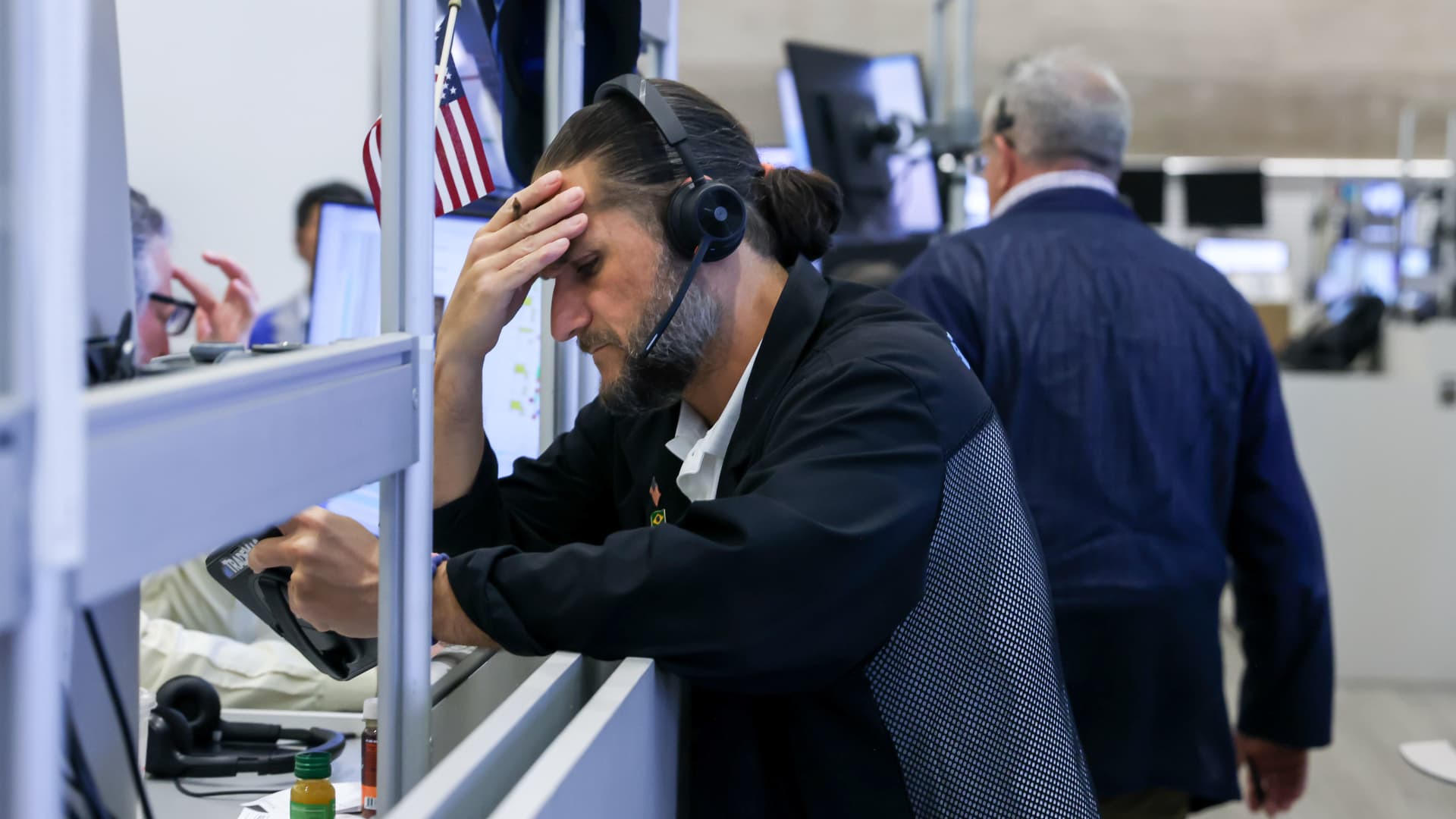
Markets read the decision and Warsh’s press conference in two directions at once. According to CME FedWatch, the odds that the Fed would leave rates unchanged at its next meeting rose by 20 percentage points to 45%, signaling lower expectations for a near-term hike. At the same time, the 30-year Treasury yield rose to its highest level since 2007, while the 2-year Treasury yield fell.
That split reaction suggests investors saw less chance of immediate Fed action, while also demanding more compensation to hold long-term government debt. In plain English: traders appeared to think the Fed may wait now and face a tougher inflation fight later.
What did Kevin Warsh say about rate hikes?
Warsh declined to give a clear checklist for what would push him toward higher rates. He has moved the Fed away from forward guidance, the practice of signaling future policy plans in advance, because he argues it can make the central bank less flexible and can blur market signals.
“I understand the desire for rolling forecasts and commentary from this committee, but for our part, we need to observe market reaction to developments, direct and unfiltered,” Warsh said in his opening remarks.
That approach left some Fed watchers dissatisfied. Jon Hilsenrath, a longtime Fed observer, wrote to clients that Warsh needed to explain what would eventually make him support a rate increase against stubborn inflation. “Warsh didn’t convey the message clearly or explicitly, and the bond market puked on him,” Hilsenrath wrote.
Eric Winograd, chief U.S. economist at AllianceBernstein, also criticized the communication. “I thought today’s press conference was confusing and often internally contradictory,” Winograd wrote to clients.
Why inflation credibility is the issue
The Fed’s inflation target is 2% over time, measured by the personal consumption expenditures index, or PCE. Warsh said inflation has been above that target for at least 63 months, according to CNBC, and described inflation as still “elevated.”
Recent data gave Warsh a mixed backdrop. Consumer price index data showed prices fell 0.4% in June, but Warsh said that reading was “not much” of a consideration. The latest PCE reading was 4.1%, well above the Fed’s target.
Warsh also raised questions about whether the Fed will keep PCE as its central inflation benchmark after a review by task forces he has appointed. “Who knows, come after next January, what we might say about strategy,” he said, while adding that the Fed is sticking with PCE for now.
Michael Feroli, chief U.S. economist at JPMorgan Chase, wrote that Warsh’s reluctance to define his rate-hike threshold and his comments about PCE “raise questions about the new chair’s credibility in delivering lower inflation.”
The Fed chair has influence, but he does not decide rates alone. Three FOMC voters dissented from Wednesday’s decision to hold steady, and Feroli wrote that weak improvement in the data could pressure more officials to act. He added that a Fed chair has not been in the minority on an interest-rate vote.
Warsh entered the job after criticizing former Chair Jerome Powell over rising long-term rates and what Warsh called a credibility problem. Now, just months into his tenure, markets are testing whether Warsh can convince investors and a divided Fed that he has a clear plan for inflation.
This story draws on original reporting from CNBC.