Warsh Fed press conference odds point to ‘oil’ and ‘shock’ mentions
Kalshi traders see Warsh likely mentioning oil and shock as markets weigh Iran tensions, crude prices and the Fed’s July rate call.
By Dev Ramirez · Crypto Correspondent
· 3 min read
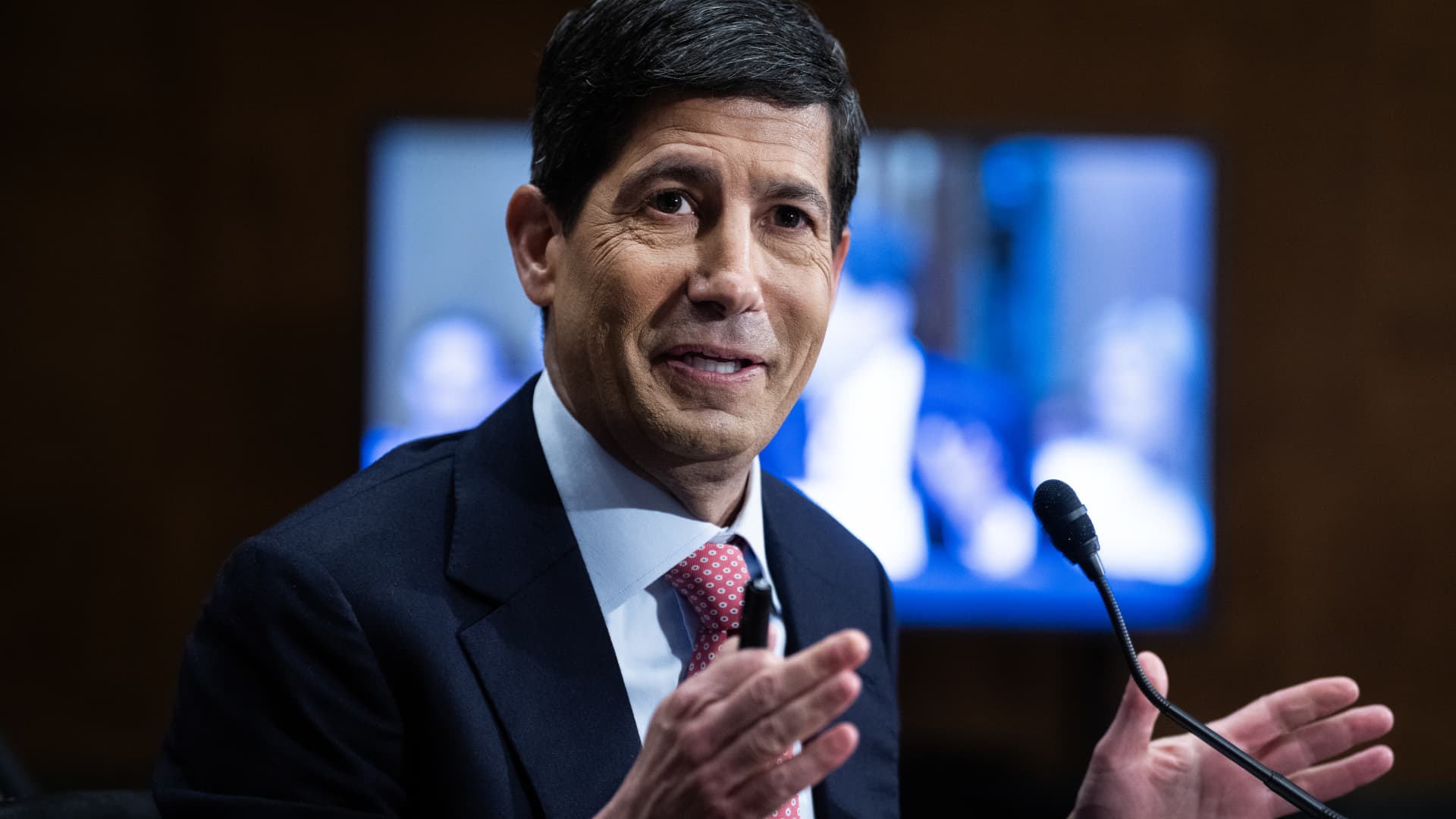
The Warsh Fed press conference on Wednesday is turning into a word-by-word market event. Kalshi traders are pricing a 74% chance that Federal Reserve Chair Kevin Warsh says “oil” and better-than-even odds that he says “shock,” according to contracts on the prediction-market platform.
For retail investors, the focus is bigger than vocabulary. Traders are trying to read how Warsh may frame the recent jump in crude prices after U.S.-Iran fighting, and whether that changes the Fed’s thinking on interest rates. Higher energy prices can feed into inflation, which is the rate-sensitive part of the story for stocks, bonds and borrowing costs.
The Kalshi contract will be settled based on Warsh’s remarks at the July press conference, scheduled for Wednesday at 2:30 p.m. ET. CNBC reported that the contract was among the platform’s leading “mention” markets as of Monday afternoon.
What will Kevin Warsh say at the Fed press conference?
Kalshi’s mention market is a type of event contract: traders take positions on whether a specific outcome happens, in this case whether Warsh uses particular words. The contract does not predict policy by itself, but it shows what traders expect the Fed chair may address publicly.
The attention on “oil” and “shock” follows last week’s exchange of attacks between the U.S. and Iran. Brent crude briefly moved back above $100 a barrel during the fighting, according to CNBC, before giving up gains after the two countries paused hostilities. Brent was trading below $89 on Monday.
An energy supply shock means a sudden hit to the availability or cost of energy, often caused by war, sanctions or disruption to production and shipping. It can raise gasoline, transportation and business costs, but central banks often treat it differently from inflation caused by broad demand across the economy.
Bank of America said Monday that it would be “textbook policy” for the Fed not to react directly to an energy supply shock, according to CNBC. In plain English, that means policymakers may avoid raising rates just because oil spikes if they see the move as temporary or outside the Fed’s control.
Markets still expect the Fed to hold rates steady
The Fed’s overnight benchmark rate is the short-term interest rate that influences credit cards, savings yields, mortgages and corporate borrowing costs. The CME Group’s FedWatch tool shows the Fed is broadly expected to leave that rate unchanged at the July meeting.
Kalshi’s own July decision contract also points that way, showing nearly 75% odds that the Fed keeps rates where they are. Those rate-related Kalshi contracts will be verified by the Federal Reserve, according to CNBC.
The odds are not one-sided. FedWatch shows the implied chance of a rate increase this week has climbed to around 38%, up from 16% last week. Another Kalshi contract on the timing of the next Fed hike shows 68% odds that an increase happens this year.
Evercore ISI said it would be unusual for the Fed to raise rates now, after a better June inflation reading, because policymakers could still increase rates in September if needed. The firm added that the odds cannot be pushed too low because Warsh has not laid out his strategy and renewed U.S.-Iran conflict has brought back energy-shock concerns while pushing yields higher.
The backdrop is Warsh’s still-new approach as Fed chair. After the June Federal Open Market Committee meeting, the Fed released a shorter statement, and Warsh did not offer a forecast for where rates were headed. That has left traders with fewer signals than usual, making Wednesday’s language unusually important.
This story draws on original reporting from CNBC.


