Why AI stocks rebounded after the Situational Awareness unwind
Reports of a forced hedge-fund sale coincided with an AI-stock rebound, while earnings and spending plans offered a separate catalyst.
By Maya Okafor · Markets Writer
· 3 min read
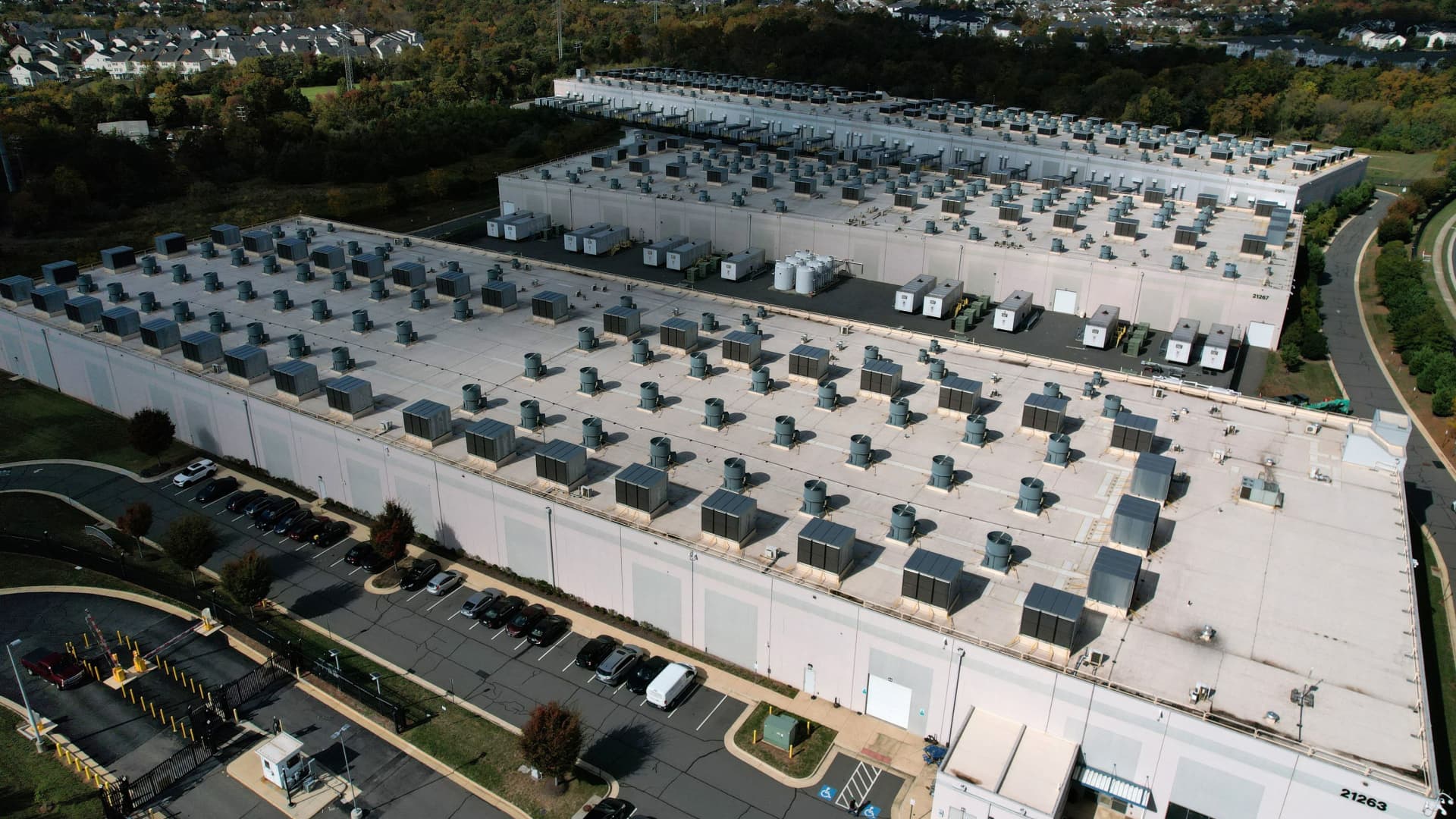
Investors asking why AI stocks rebounded have two overlapping explanations: a reported forced sale by the AI-focused hedge fund Situational Awareness, and fresh signs of continued spending on data centers and AI services. The first is a market-structure theory; the second rests on company results and capital-spending plans cited in CNBC Investing Club commentary.
CNBC reported July 30, citing people familiar with the matter, that Situational Awareness faced losses in AI-infrastructure holdings while its short positions in software companies moved the wrong way. The fund, founded by former OpenAI researcher Leopold Aschenbrenner, had used borrowed money in its strategy, CNBC reported. Its prime brokers were working with it on margin requirements, or the collateral lenders can demand when leveraged positions fall.
Citadel agreed to acquire public-stock assets from the fund, according to CNBC. The exact scope of the transaction remains unclear across published accounts. CNBC described a sale of all public holdings, while the Wall Street Journal and Business Insider described the bulk or a majority of the public-equity book. The Journal also reported that Citadel bought the borrowed-money-financed portion.
Did the Situational Awareness sale cause AI stocks to rebound?
That has not been established. CNBC Investing Club’s Jim Cramer characterized the episode as a “clearing event,” meaning a forced seller exits positions and may no longer add selling pressure. The service said semiconductor and data-center-related shares rose after the reported unwind, but its account presents that connection as market analysis rather than proof that the sale caused the move.
The mechanism is straightforward. Leverage lets an investor control a larger position with borrowed funds. If prices fall, lenders can require more collateral or prompt asset sales. Those sales can add pressure to the securities being sold, regardless of a company’s latest operating results. Once a forced seller has reduced positions, that particular source of selling is gone, though prices can still move for many other reasons.
What else supported the AI-stock rebound?
CNBC Investing Club pointed to earnings and investment plans from the largest cloud operators. Microsoft reported strong Azure cloud results and traction for its Copilot AI assistant, CNBC said. The commentary also said Microsoft’s free cash flow, relative to other hyperscalers, helped address investor concern about the company’s AI spending.
Amazon offered another data point. CNBC said Amazon Web Services grew 37% and highlighted Chief Executive Andy Jassy’s earnings-call case for aggressive AI investment. The commentary viewed that explanation as helping investors assess the possible return from the industry’s high level of infrastructure spending.
For suppliers, the relevant question is whether cloud companies keep ordering chips, networking equipment, power systems and cooling hardware for new data centers. CNBC reported that Amazon, Alphabet and Meta raised capital-expenditure forecasts for the year, while Microsoft indicated it expected to invest more next year. It cited Eaton’s earnings as company-specific evidence of demand for electrical equipment and cooling technology tied to that buildout.
Those are the factors CNBC Investing Club cited in arguing that the AI trade had firmer support after July’s volatility. They do not settle whether spending will produce the returns investors expect, and they should not be read as a conclusion about any individual stock.
This story draws on original reporting from CNBC.


