Why gas prices could stay high this fall even as crude oil retreats
Tight refinery capacity has separated pump prices from crude, leaving fall relief dependent on repairs and steadier fuel supplies.
By Dev Ramirez · Crypto Correspondent
· 3 min read
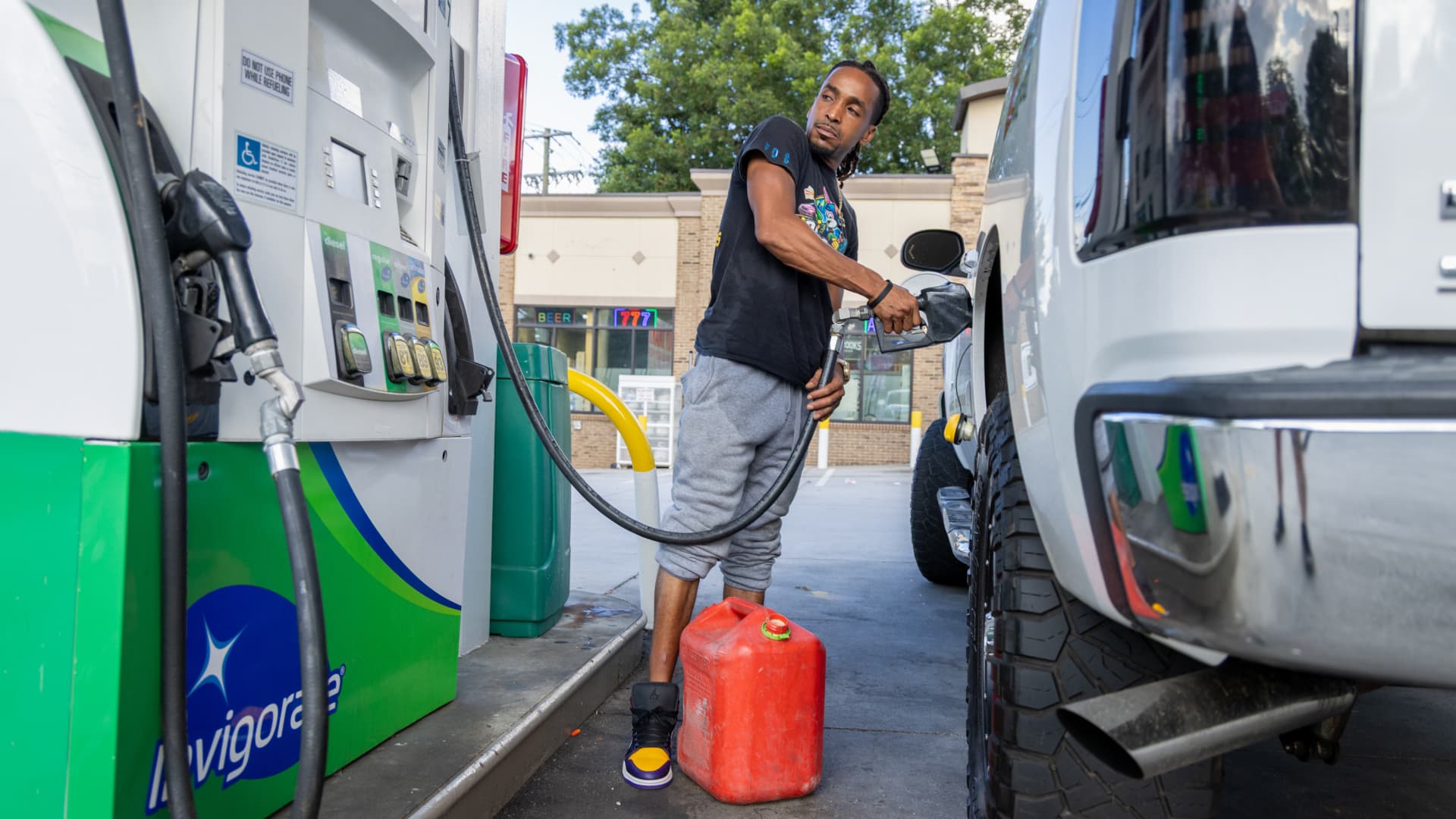
Drivers asking why gas prices stay high even as crude oil retreats have a different market to watch: refineries. Crude is the raw material, but gasoline is the finished product sold at the pump. CNBC reported that U.S. oil prices had fallen about 10% in the preceding week to roughly $76 a barrel, while retail gasoline was still 36% above its Feb. 27 level.
That gap means a decline in crude does not automatically translate into comparable savings for drivers. It also helps explain why fuel producers can earn stronger margins while the price of their main input falls.
Why can gas prices stay high when crude oil falls?
Refineries turn crude into gasoline, diesel and other fuels. When enough of that processing capacity is unavailable, supplies of finished fuel can stay tight even if more crude becomes available. ExxonMobil Chief Executive Darren Woods told CNBC that constraints in refining had separated oil prices from pump prices, with demand for refining capacity playing a larger role in setting fuel prices.
The disruptions are significant, though the estimates come from companies operating in the market. Valero Chief Operating Officer Gary Simmons said on an earnings call that the wars involving Iran and Ukraine had shut refineries representing about 5 million barrels a day of capacity. Phillips 66 marketing executive Brian Mandell put the outages higher, estimating 7 million barrels a day offline in Asia and the Middle East, plus 1.4 million barrels a day in Russia.
Those figures are estimates, not a single independently verified global tally. Still, executives at Exxon, Marathon Petroleum and Phillips 66 each described a tight market for refined fuels and slow refinery recoveries in affected regions, according to CNBC.
What does the crack spread tell investors?
The crack spread is the difference between a refiner's crude-input cost and the price it receives for refined products such as gasoline and diesel. A wider spread generally means a larger potential processing margin before other costs. CNBC reported that the crack spread rose above $70 in late July, a sign that finished fuels had become much more valuable relative to crude.
That setup has supported refiners running hard to meet demand. It does not mean every company earns the same result, since plant reliability, crude access and product mix vary. But it illustrates why crude's decline alone may not bring an equal move at gas stations.
What could change gas prices this fall?
Seasonal demand normally eases after the summer driving period, and GasBuddy petroleum analyst Patrick De Haan told CNBC that could bring some relief. He also said the refining shortfall could leave gasoline unusually costly for the season.
A more reliable reopening of the Strait of Hormuz could improve crude flows, but it would not immediately repair or restart damaged refineries. Mandell said the timing would depend on the extent of damage and access to spare parts. Marathon CEO Maryann Mannen likewise said further disruption in the Middle East could add to supply constraints.
For consumers, the direction of crude still matters, but the nearer-term question is whether enough gasoline and diesel can be produced and delivered. Sustained lower crude prices, completed refinery repairs and softer autumn demand would all help. Continued outages or renewed disruption could keep the gap between oil and pump prices open.
This story draws on original reporting from CNBC.


