Wyden bill seeks to limit Trump’s authority to impose tariffs
The Oregon Democrat’s proposal would require more congressional review of tariffs and remove two older trade-law powers.
By Maya Okafor · Markets Writer
· 3 min read
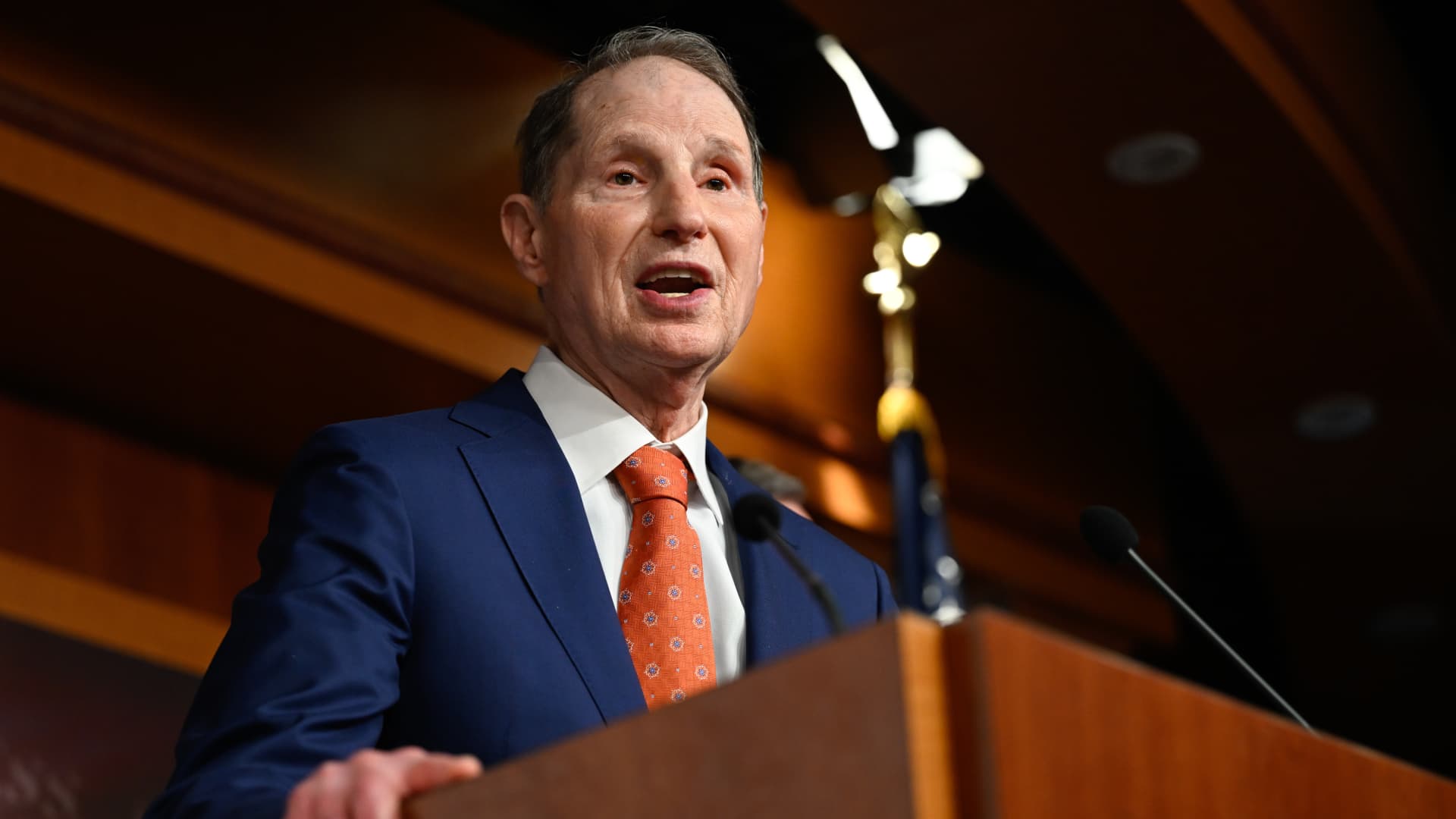
Sen. Ron Wyden introduced legislation Wednesday that would narrow President Donald Trump’s ability to impose tariffs without Congress. For everyday investors, the fight matters because tariffs are taxes on imports that can raise costs for companies, squeeze margins and show up in consumer prices.
Wyden, an Oregon Democrat and the top Democrat on the Senate Finance Committee, rolled out the proposal after criticizing Trump’s plan to put 50% retaliatory tariffs on a range of Canadian goods. Wyden said Trump relied on an old trade statute that has rarely, if ever, been used.
In a statement, Wyden accused Trump of abusing trade authorities and said the president was using a Depression-era law to place broad tariffs on products from Canada, which he described as one of the United States’ closest allies and trading partners. Wyden said the move would raise the cost of living for Americans, families and small businesses, and said he would introduce a bill to put Congress back in control.
The proposal is called the Congressional Trade Powers Reform Act of 2026. Its central idea is to pull tariff decisions closer to Capitol Hill by limiting some powers presidents have received from Congress over decades.
What the bill would change
The U.S. Constitution gives Congress authority over tariffs, but lawmakers have passed statutes that let presidents impose duties in specific situations. A tariff is a tax charged on goods brought into the country. Companies that import those goods may absorb the cost, pass some of it to customers or adjust supply chains.
Wyden’s bill would require congressional approval for tariffs proposed under three major trade authorities: Section 301, Section 201 and Section 232.
- Section 301 of the Trade Act of 1974 allows the executive branch to use tariffs against foreign trade practices judged unfair to the United States.
- Section 201 of the same law allows tariffs when the U.S. International Trade Commission finds that a surge in imports is seriously threatening a domestic industry.
- Section 232 of the Trade Expansion Act of 1962 allows tariffs based on national security concerns.
The bill would also remove two authorities Wyden calls outdated. One is Section 122 of the 1974 trade law, which gives the president tariff powers tied to international payments problems. The other is Section 338 of the Tariff Act of 1930, which allows tariffs of up to 50% on goods from countries found to be discriminating against the United States.
A new review process
Wyden’s plan would create a Joint Committee on Tariffs and Trade. The president would have to send tariff proposals to that panel, which would include five members from the Senate Finance Committee and five from the House Ways and Means Committee.
The committee would have up to 30 days to review a proposal and decide whether to recommend it to Congress for a vote on a joint resolution within a set timeframe.
The bill would also change oversight of the Office of the U.S. Trade Representative. It would make USTR a separate agency outside the Executive Office of the President and create an inspector general inside the office.
The legislation faces difficult odds. Republicans control both chambers of Congress, and even if the bill passed, Trump could veto it. The White House did not immediately respond to CNBC’s request for comment on Wyden’s proposal.
This story draws on original reporting from CNBC.