xAI sues Minnesota over nudify law targeting explicit deepfakes
Elon Musk's xAI says Minnesota's nudify app ban violates free speech as the state targets nonconsensual AI sexual images.
By Jordan Bell · Startups & Deals Reporter
· 3 min read
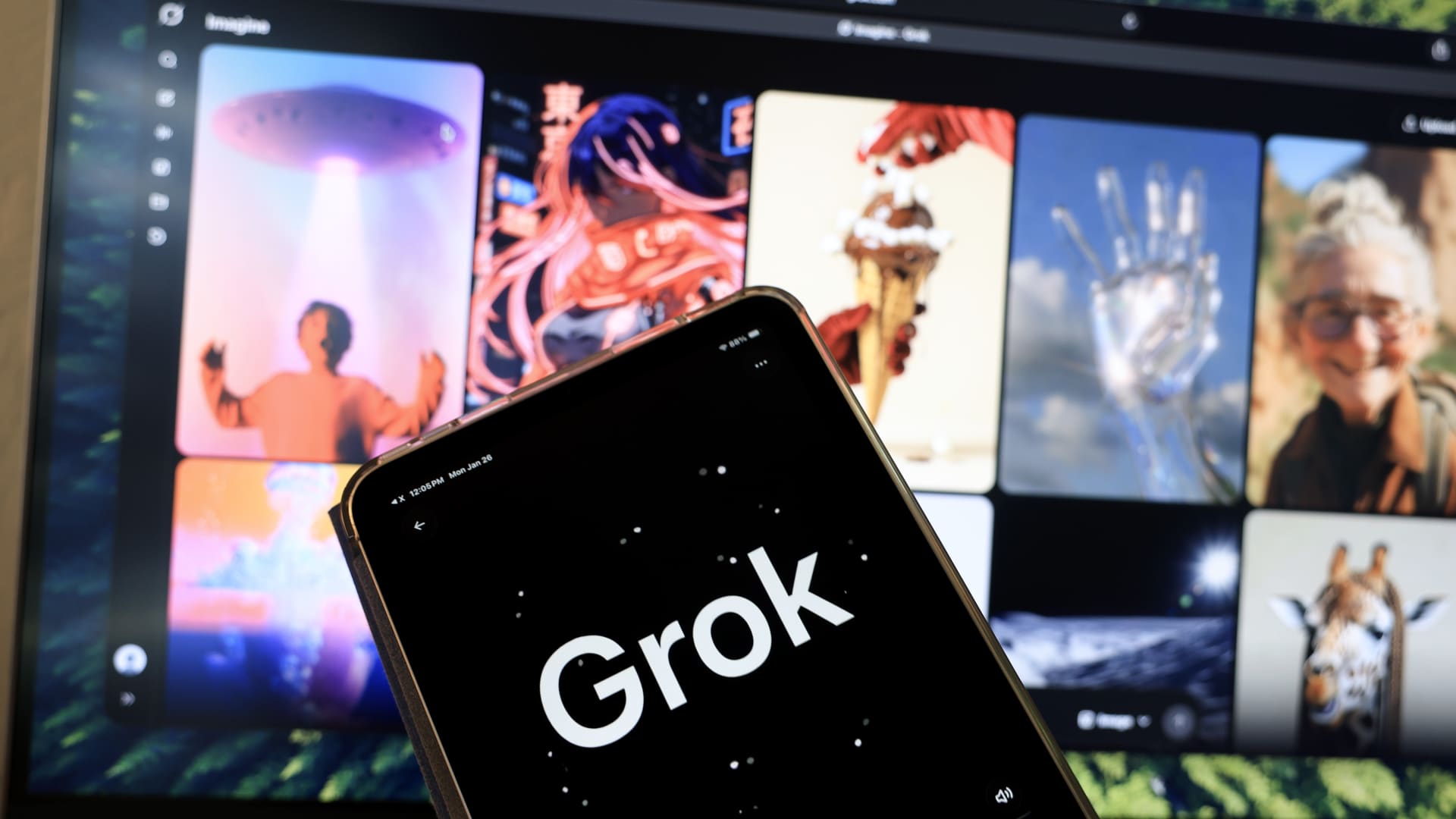
Elon Musk's xAI has sued Minnesota Attorney General Keith Ellison over a new state law aimed at so-called nudify apps, escalating a fight over how far states can go in policing AI image tools. The xAI Minnesota nudify law case matters for anyone tracking AI companies because it tests whether laws targeting harmful deepfakes can also restrict the software behind image generation.
The complaint, filed Monday in federal court in Minnesota, says the statute violates free speech protections. Attorneys for xAI argue that the law is an "overbroad, content-based ban" that reaches tools used for visual expression while trying to stop nudification.
xAI is now owned by SpaceX, according to CNBC. The artificial intelligence business is also known as SpaceXAI.
What is Minnesota's nudify law?
Minnesota's law targets apps and websites that let users create sexual images of people without their consent. A deepfake is synthetic media generated or altered by AI to make it appear that a real person did or appeared in something they did not.
The law is set to take effect Saturday, according to CNBC. It allows fines of $500,000 each time a user creates explicit deepfakes through covered services.
Minnesota lawmakers passed the measure in April. CNBC reported that state Sen. Erin Maye Quade led the effort after learning about a man who used social media photos to make sexualized images and videos of more than 80 women he knew, without their permission.
Maye Quade told CNBC in September that the proposal was comparable to older laws that prohibit peeping through windows to capture explicit images.
What xAI says about the law
xAI says it does not allow users to make nude or sexualized images of people without consent. In its complaint, the company says it has "strictly" banned that conduct on its services.
The company also says it has sued users who bypass its technological safeguards to generate prohibited images. xAI argues that Minnesota's approach reaches beyond illegal conduct and interferes with tools used to create images.
The Minnesota lawsuit is not the only state-law challenge from Musk's AI company. CNBC reported that xAI has filed a similar case against a California law aimed at AI-generated deepfake content.
Other legal pressure on xAI
SpaceXAI is also facing a proposed class action from plaintiffs who allege that its Grok chatbot and image generator were used to create and distribute child sexual abuse material depicting them as minors, based on real photos or videos.
That lawsuit also alleges xAI failed to provide authorities with information about people accused of using Grok to nudify their images. xAI's Minnesota complaint points to its internal bans and enforcement actions as part of its argument that the state law is too broad.
The case puts two policy goals in direct tension: protecting people from AI-generated sexual abuse and preserving legal protections for speech and creative tools. For AI companies, the result could shape how states write rules for image generators and how platforms build guardrails around them.
This story draws on original reporting from CNBC.