Xbox margin 2030 plan targets higher profitability than Sony and Nintendo
Asha Sharma told staff Xbox aims to restore growth, lift profitability above peers and invest in Minecraft, King and global partnerships.
By Maya Okafor · Markets Writer
· 3 min read
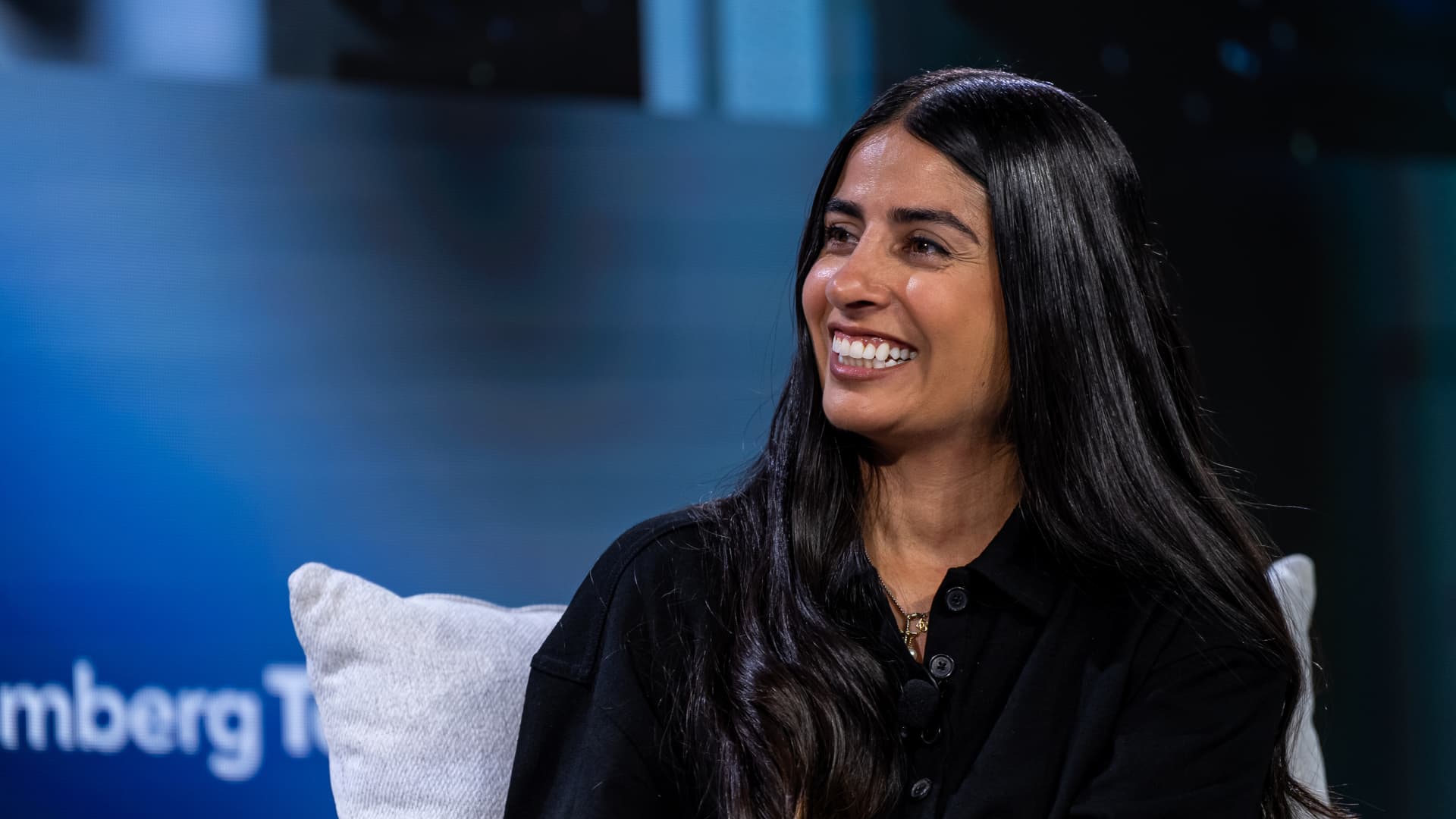
Microsoft’s Xbox margin 2030 plan is now clearer: new Xbox CEO Asha Sharma wants the gaming unit to bring profitability back toward competitors by next year and move ahead of them by fiscal 2030, according to a staff memo viewed by CNBC. For Microsoft investors, the message matters because Xbox just posted a 10% quarterly revenue decline while the rest of Microsoft benefited from strength in cloud and productivity software.
Sharma, who previously worked at Instacart and Meta, took over Xbox in February after Phil Spencer retired, CNBC reported. Since then, she has changed leadership, cut Game Pass subscription prices, announced layoffs and divestitures of four development studios, and put more attention on exclusive titles for Xbox consoles.
In the memo, Sharma told employees the business would learn from prior wins and mistakes and focus on building games and experiences players would value over the long run, CNBC reported. She also said each Xbox function and studio will be responsible for returning the gaming group to growth in both player count and revenue in the fiscal year ending in June 2027.
What is Xbox’s margin plan for 2030?
Xbox’s plan is to get its margin closer to industry peers by next year, speed up revenue growth in fiscal 2028 and fiscal 2029, and reach “industry leading margins” by fiscal 2030, according to Sharma’s memo cited by CNBC. Margin is a profitability measure that shows how much revenue remains after costs, so a higher margin would mean Xbox is turning more of its sales into profit.
The gap is visible. Sharma and Xbox chief content officer Matt Booty said last month that Xbox expected a 3% internal margin, CNBC reported. Sony reported a 9.9% operating margin in game and network services for its latest fiscal year, while Nintendo’s margin approached 16%, according to company figures cited by CNBC.
Xbox also trails in hardware shipments. CNBC reported that Microsoft’s Xbox Series X and Series S consoles have fallen behind Nintendo’s Switch and Sony’s PlayStation 5 on that measure.
Microsoft’s broader business gave investors a different signal this week. The company beat consensus expectations in cloud infrastructure and productivity software, CNBC reported, and Microsoft shares rose almost 16% on Thursday, their strongest session since 2008.
How Xbox wants to grow beyond consoles
Sharma told staff that Xbox will build long-term plans around its biggest franchises across film, television, consumer products, sponsorships and live experiences, CNBC reported. She also said the company plans to form new global partnerships, including in China.
Casual gaming is another target. Sharma said Xbox wants to gain share in that category partly through King, the Activision Blizzard unit behind the “Candy Crush” games, according to CNBC.
Microsoft bought Activision Blizzard, the publisher of “Call of Duty,” for $75.4 billion in 2023. CNBC reported that the deal lifted Xbox revenue but also left the business stretched, including through Game Pass access that let some consumers try new high-value “Call of Duty” releases for short periods without paying full price. Game Pass now excludes those first-person shooter titles, CNBC reported.
Microsoft CEO Satya Nadella told analysts on Wednesday’s earnings call that the company is making decisions across gaming content, platform and operations to reset the business for long-term growth, according to CNBC.
Minecraft is also central to the plan. Sharma told employees Microsoft would invest in the franchise more than before, including tools that help players create, share, build audiences and earn, CNBC reported. Microsoft acquired Minecraft developer Mojang for $2.5 billion in 2014, and CNBC reported that Minecraft surpassed Tetris as the world’s best-selling game five years later.
This story draws on original reporting from CNBC.


