Yum Brands earnings face Taco Bell outbreak questions
Yum reports Thursday as a cyclospora outbreak tied to Taco Bell pressures traffic, shares and investor expectations for the rest of 2026.
By Maya Okafor · Markets Writer
· 3 min read
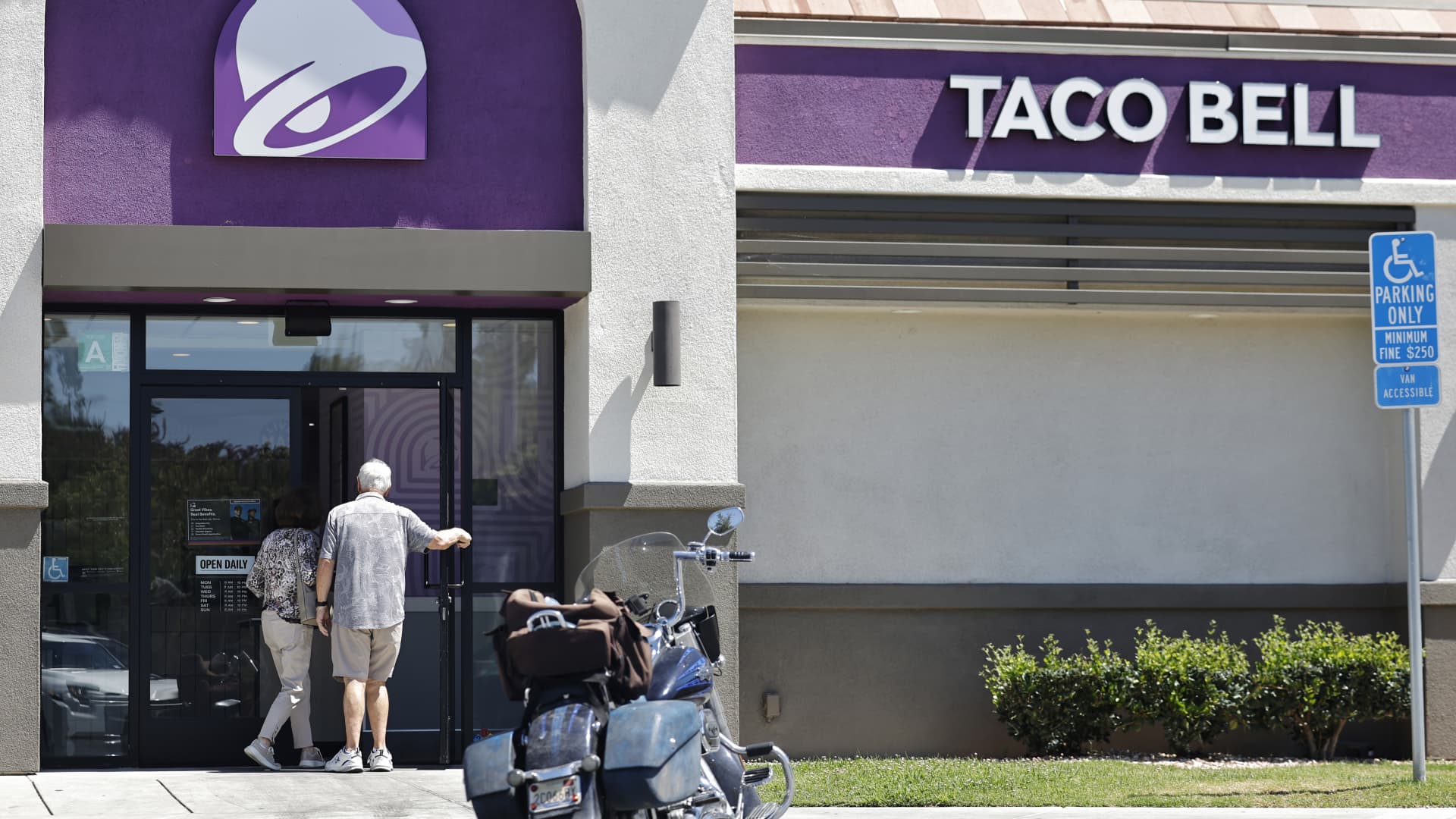
Yum Brands earnings Taco Bell questions are likely to dominate when the restaurant company reports second-quarter results before the market opens Thursday. For everyday investors, the issue is less about the quarter that already ended and more about whether a food-safety scare can slow one of Yum’s most important growth drivers.
The Food and Drug Administration has linked a cyclospora outbreak to iceberg lettuce served at some Taco Bell restaurants. Since that link was first made, daily visits to Taco Bell have dropped by double digits, according to Placer.ai data cited by CNBC. Yum shares have fallen 5% over the same period, putting the company’s market value near $42 billion.
The Centers for Disease Control and Prevention said that, as of Friday, at least 1,947 people had been sickened, 98 had been hospitalized and no deaths had been reported. Federal health agencies have identified iceberg lettuce supplied by Taylor Farms as the likely source.
How could the Taco Bell outbreak affect Yum Brands earnings?
The outbreak is not expected to weigh heavily on Yum’s second-quarter numbers because the quarter ended more than a month before the FDA connected Taco Bell to the illness. Wall Street expects Yum to report earnings of $1.58 per share on revenue of $2.2 billion, according to an LSEG analyst survey cited by CNBC.
Investors are watching guidance and commentary for the rest of the year. Same-store sales, a restaurant metric that tracks sales at locations open long enough to make a fair comparison, are expected to have risen 7% at Taco Bell in the second quarter, according to CNBC. A traffic pullback after the quarter could put pressure on later results if customers stay away.
RBC Capital Markets analyst Logan Reich wrote in a July 21 note that the outbreak likely had “minimal impact” on Taco Bell’s second-quarter results, while the debate around the third quarter and beyond has been driving Yum’s stock. Reich said RBC lowered its third- and fourth-quarter Taco Bell estimates because of the outbreak.
FactSet consensus data cited by CNBC showed that seven industry analysts cut their full-year earnings-per-share estimates for Yum between June 30 and Tuesday.
Why Taco Bell matters so much to Yum
Taco Bell is central to Yum’s story. The company has described Taco Bell and KFC’s international business as its “twin growth engines,” relying on them to support revenue and earnings growth.
That focus has sharpened after Yum divested Pizza Hut, a brand that had struggled for more than a decade, according to CNBC. Yum also owns Habit Burger & Grill, but that chain has fewer than 400 locations and is much smaller than Taco Bell or KFC.
Taco Bell has already moved to repair customer trust. The chain removed affected iceberg lettuce from restaurants by July 17. Five days later, Taco Bell CEO Sean Tresvant posted an open letter to diners, writing, “We aren’t entitled to your loyalty. We earn it one meal at a time,” and said the company would prioritize safety and transparency.
The brand has also used value promotions, including $1 Enchiritos, nacho fries and Mexican Pizza offers, according to CNBC.
The CDC has not declared the outbreak over. Michigan, described by CNBC as appearing to be the initial epicenter, has continued to report rising daily cases through state health data, even after Health and Human Services Secretary Robert F. Kennedy Jr. told reporters the outbreak was “under control.”
Foodborne illness outbreaks can hurt restaurant traffic well beyond the first headline. CNBC noted that Chipotle reported double-digit same-store sales declines for a year after outbreaks between 2015 and 2018, while McDonald’s traffic recovered within weeks after the CDC ended its 2024 E. coli outbreak investigation tied to Quarter Pounders. Analysts cited by CNBC generally view McDonald’s as the more likely comparison for Taco Bell, assuming no additional safety problems emerge soon.
This story draws on original reporting from CNBC.