Clarity Act Senate vote pushed by Treasury Secretary Scott Bessent
Scott Bessent urged senators to pass crypto market rules, citing consumer safeguards, AML standards and Satoshi Nakamoto.
By Sofia Marchetti · Columnist
· 3 min read
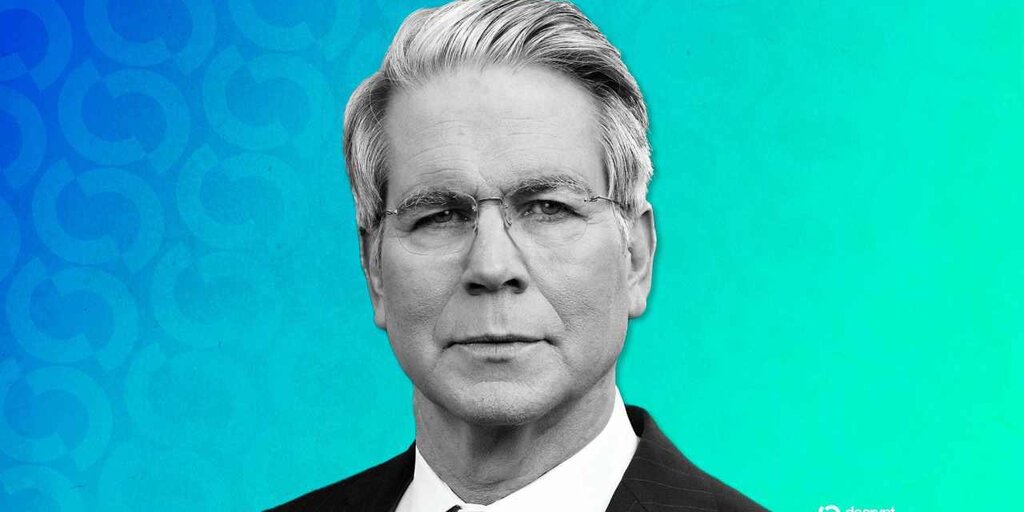
Treasury Secretary Scott Bessent called for a Clarity Act Senate vote on Thursday, saying the U.S. needs clearer crypto rules to protect consumers and keep digital asset activity from moving offshore. For everyday investors, the fight matters because the bill would decide which federal agencies oversee much of the U.S. crypto market.
In a post on X, Bessent said the House passed the Clarity Act more than a year ago and that staff for the Senate Banking and Agriculture committees had spent “thousands of hours” working on bipartisan changes. He said Republicans now have legislation ready for a floor vote.
Bessent accused Senate Democrats of slowing the bill for political reasons. He wrote that it was “disappointing” that Democrats were, in his view, choosing politics just as the U.S. had a chance to strengthen its position in digital assets.
What would the Clarity Act do for crypto?
The Clarity Act would create a federal framework for U.S. digital asset markets. According to the bill description cited by Bessent, it would split oversight between the Securities and Exchange Commission and the Commodity Futures Trading Commission, with most crypto assets generally falling under the CFTC.
That agency split is the core investor issue. The SEC regulates securities such as stocks and many investment contracts, while the CFTC oversees commodities and derivatives markets. Crypto companies and investors have long argued that unclear agency boundaries make it harder to know which rules apply.
Bessent rejected criticism that the bill is weak on consumer protection or illicit finance. He said Titles II and III of the measure would expand compliance duties for digital asset intermediaries and move them closer to the standards used for traditional financial firms. Anti-money laundering rules are requirements designed to stop funds tied to crime from moving through the financial system.
The Treasury secretary also defended the Blockchain Regulatory Certainty Act, a provision in the Clarity Act that addresses decentralized software developers. Bessent said it would write into law a long-standing Treasury Department position that those developers do not have to register under the Bank Secrecy Act. He also said the Fraternal Order of Police, which had opposed the provision before, now supports it.
Why did Bessent mention Satoshi Nakamoto?
Bessent closed his appeal by invoking Satoshi Nakamoto, the pseudonymous creator of Bitcoin. After writing that “America will lead or America won’t,” Bessent quoted Nakamoto: “If you don’t believe me or don’t get it, I don’t have time to try to convince you, sorry.”
He also pointed to Sen. Elizabeth Warren, saying Senate Democrats were worried about backlash from Warren and what she has called her “anti-crypto army.” Bessent framed the upcoming vote as a test of whether the U.S. will regulate digital assets domestically or push the industry abroad through uncertainty.
The debate now sits with the Senate. Bessent’s post presents the Clarity Act as ready for a vote, but its path depends on whether enough senators agree on the balance between crypto market access, consumer protection and financial crime safeguards.
This story draws on original reporting from Decrypt.