August 2026 CPI report matched headline forecasts, while core inflation ran hotter
August CPI rose 0.4% and 3.4% annually, matching headline forecasts, but core prices increased faster than economists expected.
By Sofia Marchetti · Columnist
· 3 min read

The August 2026 CPI report arrived just before the Federal Reserve’s following-week interest-rate meeting, giving investors a final major inflation reading to compare with policy expectations. The headline number matched the pre-release consensus, while the monthly core reading came in above it, adding nuance rather than a clear answer on what the Fed would do next.
The Bureau of Labor Statistics released the report at 8:30 a.m. ET on Friday, Sept. 11. Consumer prices, measured by the Consumer Price Index for All Urban Consumers, rose 0.4% in August after a 0.1% increase in July. Prices were 3.4% higher than a year earlier, unchanged from July’s annual rate.
Before the release, CNBC reported that the Dow Jones consensus called for a 0.4% monthly increase and 3.4% annual headline inflation. Both forecasts were met.
How did the August 2026 CPI report compare with expectations?
The comparison was less straightforward beneath the headline. Economists surveyed by Dow Jones had expected core CPI, which excludes food and energy, to rise 0.2% for the month and 2.4% from a year earlier, CNBC reported. The BLS said core CPI instead rose 0.3% in August, after a 0.2% July gain, while its 12-month rate was 2.4%.
That means annual core inflation eased from 2.5% in July to 2.4% in August, but the one-month core increase was 0.1 percentage point above the cited forecast. Federal Reserve research notes that removing food and energy omits a source of difficult-to-model variation in overall inflation, while also cautioning that underlying inflation cannot be directly observed.
What drove the August price increase?
Gasoline was the largest factor in the overall monthly increase. The gasoline index climbed 3.9%, accounting for more than one-third of August’s all-items rise, according to the BLS. The broader energy index increased 2.1% during the month. Over the past year, energy prices rose 16.3%, with gasoline up 27.4%.
Several categories outside food and energy also increased. Shelter rose 0.3%, following a 0.1% rise in July. Communication increased 2.3%, lodging away from home gained 2.4%, airline fares rose 2.7%, and used cars and trucks were up 0.4%. Medical care and motor-vehicle insurance were among the major indexes that declined, the BLS said.
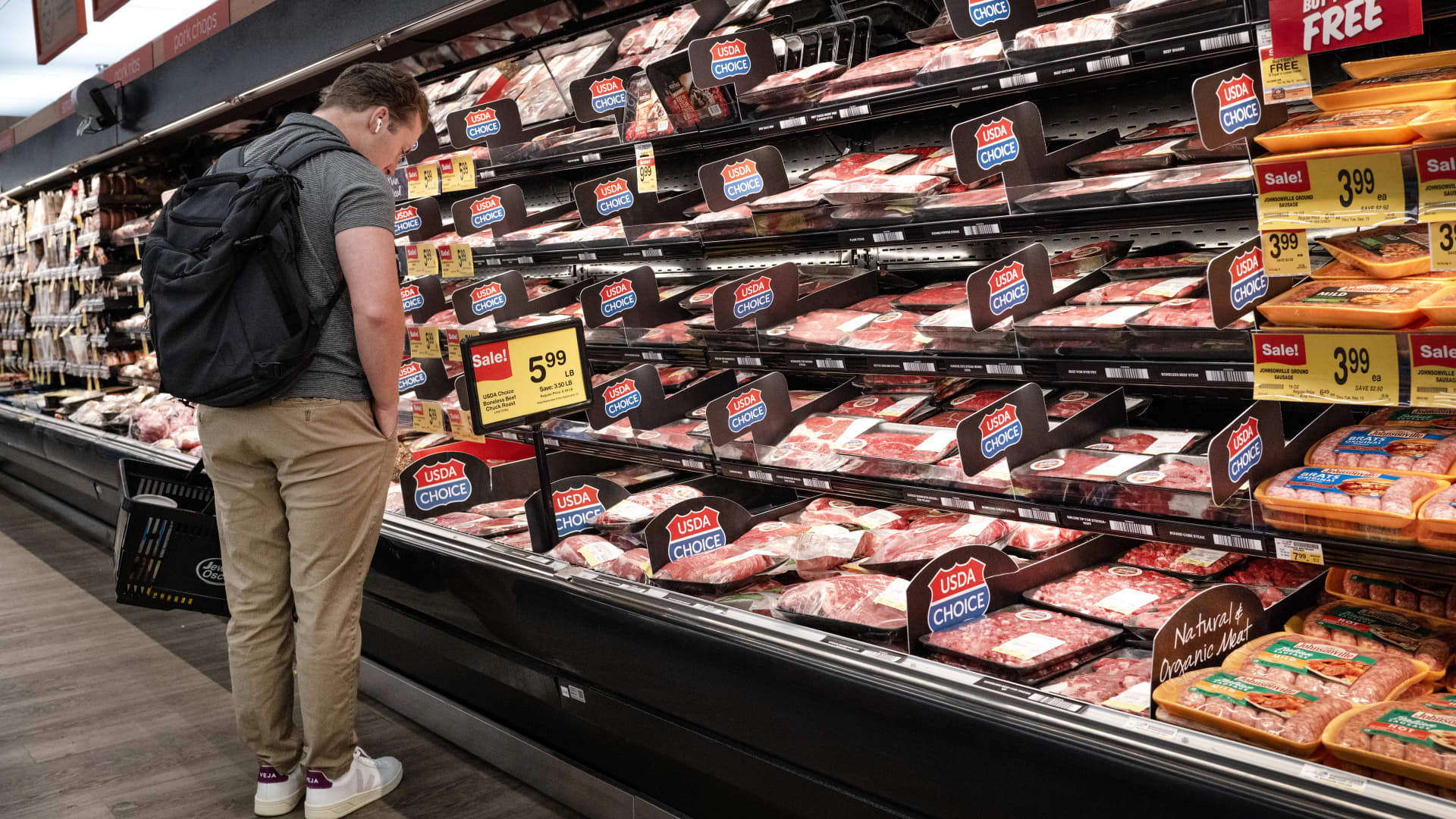
For household budgets, food prices rose 0.1% in August. Grocery prices were unchanged, while food away from home increased 0.3%. The food index was 2.7% higher over 12 months.
Why did investors focus on this CPI release?
CNBC described the data as the last inflation-related information available before the Fed’s next policy decision. It also reported that CPI, alongside producer-price data, could help officials assess the likely direction of the personal consumption expenditures price index, the measure used for the Fed’s longer-run inflation goal, because many PCE components are derived from CPI.
Before the release, Nomura economists said an upside surprise in CPI, especially in components relevant to PCE, would raise the likelihood of tighter policy. That was a conditional view, not a statement of the Fed’s eventual decision. The evidence available here does not establish what the Fed ultimately decided or how markets moved afterward.
This story draws on original reporting from CNBC.