August 2026 inflation report raises rate-hike expectations
Consumer prices rose 0.4% in August, while a firmer core reading pushed futures traders toward a quarter-point Fed rate hike.
By Priya Nair · Economy Reporter
· 2 min read
The August 2026 inflation report kept pressure on the Federal Reserve after consumer prices rose 0.4% for the month and 3.4% from a year earlier. For investors and borrowers, the key development was a stronger-than-expected core reading that led futures markets to put higher odds on a quarter-point rate hike.
The Bureau of Labor Statistics data, reported by CNBC, arrived ahead of the Federal Open Market Committee's policy meeting the following week. The headline consumer price index, or CPI, matched the Dow Jones consensus estimates cited by CNBC on both a monthly and annual basis.
Core CPI, which excludes food and energy, increased 0.3% in August, 0.1 percentage point above the cited forecast. It was up 2.4% over 12 months, matching the estimate.
What in the August 2026 inflation report raised Fed rate-hike expectations?
The core monthly result was the immediate issue for markets. After the release, futures pricing put the chance of a quarter-point increase at nearly 90%, CNBC reported, up from nearly 70% before the report. That pricing reflected investors' expectations, rather than a commitment from the Fed.
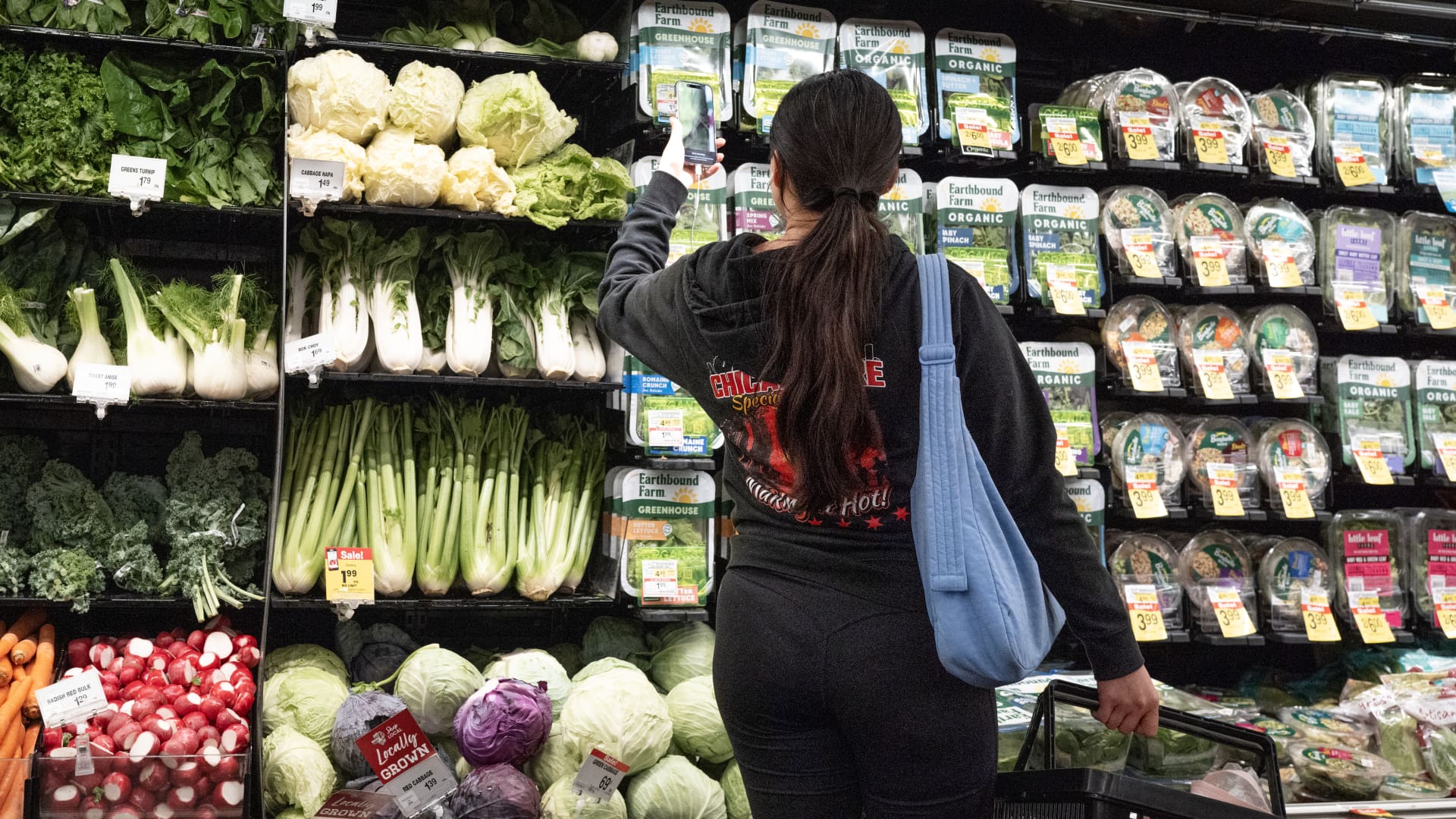
Several household expenses also moved higher during August. Gasoline prices rose 3.9% and accounted for more than one-third of the overall CPI increase, according to CNBC. The broader energy index increased 2.1%, while shelter costs rose 0.3% and transportation services gained 0.5%.
- Headline CPI: up 0.4% in August and 3.4% from a year earlier.
- Core CPI: up 0.3% in August and 2.4% from a year earlier.
- Gasoline: up 3.9% for the month.
- Shelter: up 0.3% for the month.
The report did not establish that CPI alone determined the Fed's decision. CNBC described it as the final major inflation indicator before the meeting, and market participants adjusted their rate expectations in response to the numbers.
Did the Fed raise rates after the report?
Before the meeting, CNBC reported that the federal-funds target range stood at 3.50% to 3.75%. The Federal Reserve's policy-rate page subsequently listed a 3.75% to 4.00% target range as of September 17. The comparison shows a 25-basis-point increase, with one basis point equal to one-hundredth of a percentage point.
The federal-funds target range is set by the FOMC. The Fed says changes in that range influence other short-term interest rates and can affect household and business spending, economic activity, employment and inflation. CNBC also described the rate as a benchmark for multiple consumer loans.
For markets, the sequence matters: August inflation was broadly in line with expectations at the headline level, but the monthly core result came in above the cited forecast. Traders treated that difference as evidence that a quarter-point rate increase was more likely, and the Fed's target range was higher after the meeting.
This story draws on original reporting from CNBC.