Inflation outpacing wage growth cuts into purchasing power in August
Consumer prices rose 3.4% from a year earlier in August, ahead of 3.1% wage growth, leaving average real earnings lower.
By Maya Okafor · Markets Writer
· 2 min read
Inflation outpacing wage growth again left the average U.S. worker with less buying power in August. Consumer prices rose 3.4% from a year earlier, while average hourly earnings increased 3.1%, according to Bureau of Labor Statistics data cited by CNBC.
For households, the gap means a pay raise may still fail to cover higher costs for everyday goods and services. CNBC reported that inflation-adjusted average hourly earnings, known as real earnings, fell 0.3% from a year earlier and 0.1% from July.
Why is inflation outpacing wage growth?
Wage growth describes the increase in pay before accounting for changing prices. Inflation measures how much prices have risen. When prices climb faster than nominal pay, each dollar of earnings purchases less, even if a worker’s paycheck is larger in dollar terms.
The August figures describe national averages, so they do not determine the experience of every household, industry or income group. Still, the inflation-adjusted earnings measure indicates that average purchasing power declined over both the month and the year.
The relationship had been more favorable for workers for much of the prior three years. CNBC reported that wages generally increased faster than inflation from May 2023 until about April 2026, allowing workers to gradually recover ground after earlier price increases.
Heather Long, chief economist at Navy Federal Credit Union, told CNBC that April marked a reversal. She linked the shift to higher energy costs, while describing the current gap as a period in which price increases are erasing wage gains.
Gasoline added to August price pressures
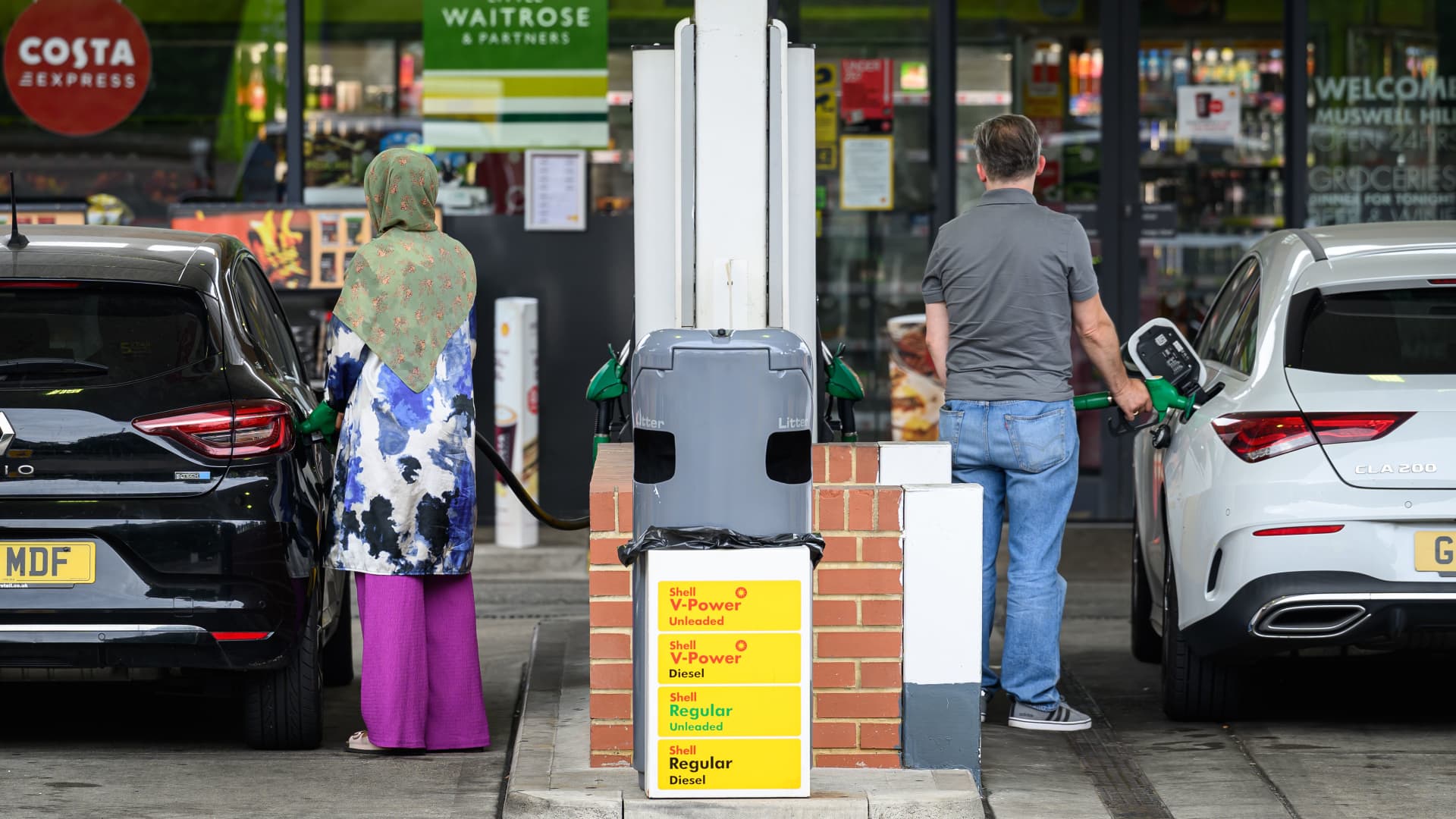
Gasoline prices rose 3.9% during August and accounted for more than one-third of the monthly increase in the consumer price index, CNBC reported. That makes fuel costs an important contributor to the latest inflation reading, though the data do not establish energy as the only reason prices rose faster than pay.
Higher costs can also change where people spend. Long said Navy Federal’s internal member-spending data, covering about 15 million members, showed customers shifting more of their spending toward warehouse and discount stores. Those figures reflect the credit union’s members rather than a national measure of all consumers.
CNBC also cited YouGov data showing differing grocery preferences by income: higher-income shoppers were more likely to shop at Costco, while Walmart Supercenter was preferred among middle- to lower-income households.
Long told CNBC that wage and inflation growth could come back into alignment around the beginning of 2027. That is her assessment, not an official forecast. Even equal rates would stop the average loss of purchasing power from new price increases, but would not reverse the higher price levels households already face.
This story draws on original reporting from CNBC.