UK inflation rises to 3.1% in August as fuel prices climb
UK annual inflation rose from 2.9% to 3.1% in August, led by petrol and diesel costs ahead of a Bank of England rate decision.
By Maya Okafor · Markets Writer
· 3 min read
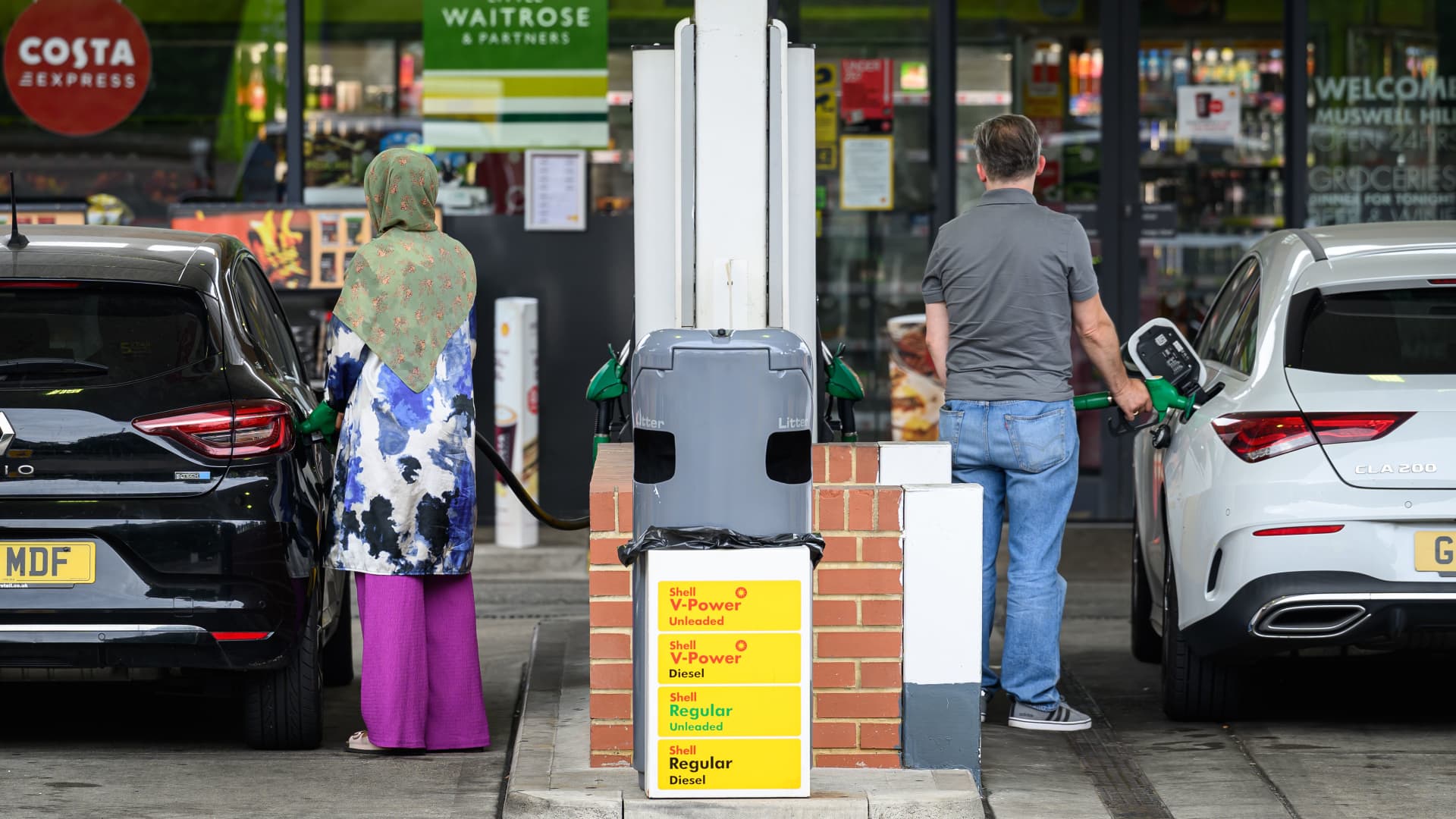
UK inflation August 2026 reached 3.1%, up from 2.9% in July, as sharply higher prices at the pump lifted household costs. The increase put inflation further above the Bank of England’s 2% target, though measures closely watched for signs of broader price pressure did not rise.
The Office for National Statistics said motor-fuel costs were the main force behind the August increase, according to reporting by CNBC and The Guardian. Motor-fuel prices rose 23% from a year earlier, marking the first annual inflation reading above 3% since March.
For households, the most visible change was at petrol stations. Average petrol prices increased by 9.1p a litre between July and August to 161.3p, their highest level since November 2022, The Guardian reported. Diesel rose 14.2p to an average 181.8p a litre.
PA Media, in reporting republished by Yahoo Finance, said petrol was 20.2% more expensive than a year earlier in August and diesel was 27.8% higher. Those rates accelerated from 13.7% and 18.5%, respectively, in July.
Why did UK inflation rise in August 2026?
Inflation measures how prices compare with the same month a year earlier. The August reading was pushed higher mainly by fuel, while electricity, gas and other household-fuel costs were 6% higher year on year, CNBC reported.
The Bank of England said in its July Monetary Policy Report that crude and refined energy prices had been volatile and higher than before the Middle East conflict. It expected higher global energy costs to reach UK consumers directly through household utility bills and indirectly as businesses pass costs through supply chains.
The central bank also stressed that it cannot control global energy prices. Its concern is whether an energy shock becomes embedded in wider wage and price-setting, which could make inflation more persistent. In July, the Bank said there were few signs of such “second-round effects,” although it said the risk could not yet be ruled out.
What does the inflation reading mean for Bank Rate?
The August report arrived before the Bank of England’s next rate announcement. At its meeting ending July 29, the Monetary Policy Committee voted 6-3 to leave Bank Rate at 3.75%.
Markets expected another hold at 3.75% before the following day’s decision, according to CNBC and The Guardian. That was an expectation, not a confirmed policy outcome.
The headline inflation rise did not coincide with higher reported core or services inflation. Core inflation, which excludes energy and food, was unchanged at 2.6% in August. Services inflation, a measure closely watched by the Bank of England, held at 3.4%, The Guardian reported.
Other price moves were mixed. PA Media reported increased pressure from products including pasta, couscous, tea, breakfast cereals, low-fat milk and fresh fruit. Falling prices for portable audio and visual devices, along with declines in some other categories, helped limit the overall increase.
This story draws on original reporting from CNBC.