Trump says he backs Warsh while demanding 1% or lower interest rates
Trump said he still has confidence in Fed Chair Kevin Warsh after the Fed raised rates to 3.75% to 4%, citing elevated inflation.
By Dev Ramirez · Crypto Correspondent
· 3 min read
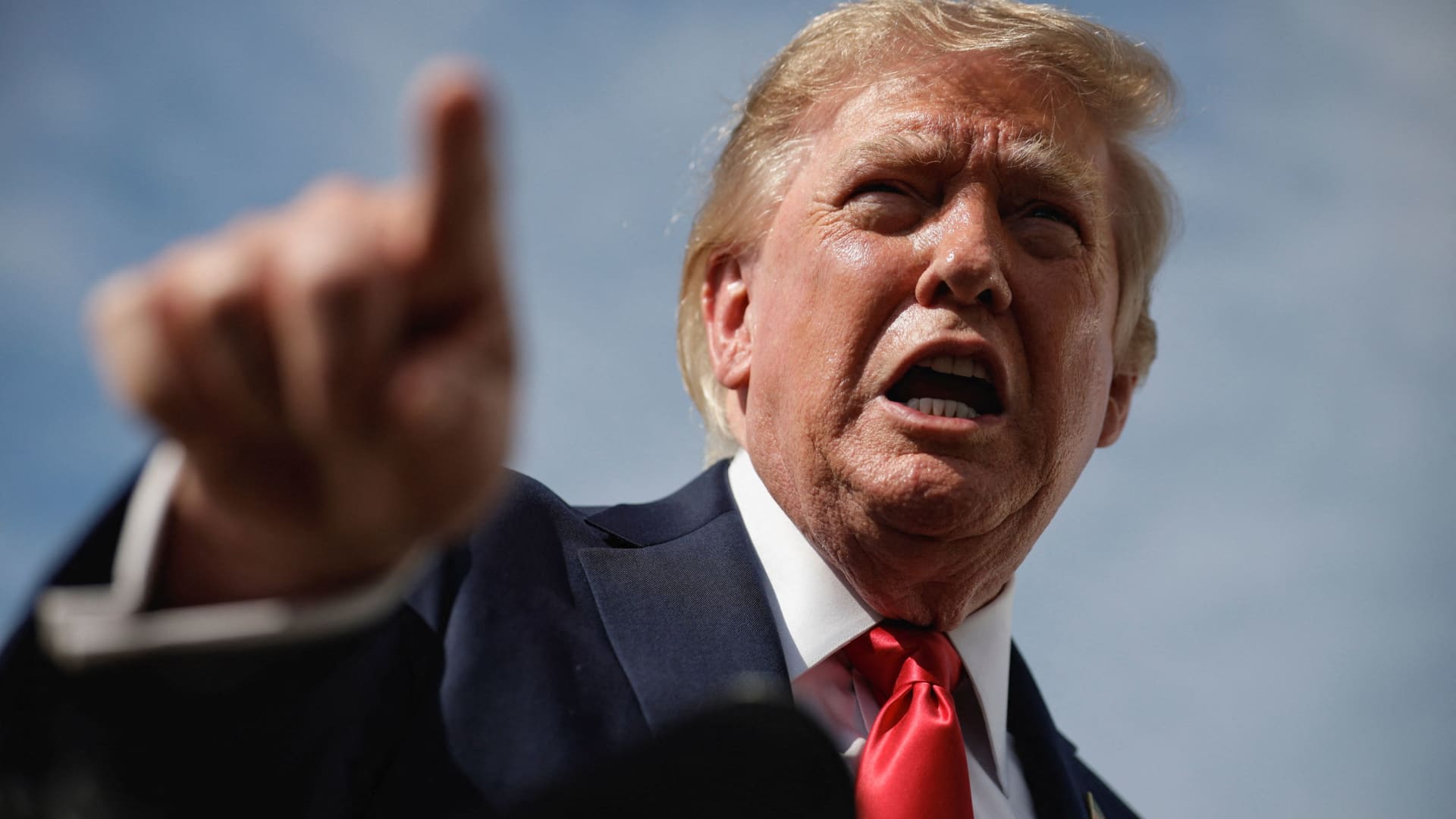
President Donald Trump said Sept. 16 that he still has confidence in Federal Reserve Chair Kevin Warsh, even as he called for U.S. interest rates of 1% or less. The Trump Warsh interest rates dispute puts the president’s requested level at least 2.75 percentage points below the Fed’s newly adopted target range.
The comments came hours after the Federal Open Market Committee, the Fed panel that sets interest-rate policy, unanimously lifted its federal-funds target range by a quarter percentage point to 3.75% to 4%. CNBC and Reuters reported that it was the central bank’s first rate increase since 2023.
Trump said on Truth Social that rates “should be 1%, or less,” and urged the Fed to lower them quickly. Asked by reporters whether he retained confidence in Warsh, Trump replied that he did. He also said he was “relying on Kevin” and wanted the Fed chair to be independent, according to CNBC.
Trump did not say Warsh had acted on White House instructions. When asked whether Warsh’s decision was based on what Trump had told him, Trump answered, “No, I don’t think so,” CNBC reported.
Why did the Fed raise rates despite Trump’s call for cuts?
Warsh said the decision responded to inflation that remained too high. Reuters reported that he told reporters summer inflation readings had not shown an improvement in underlying trends. The Fed’s post-meeting statement said inflation remained elevated, according to CNBC.
Warsh characterized the decision as sober, serious and responsible, Reuters reported. He did not submit an individual rate projection and has opposed providing forward guidance, or public signals about the likely future course of policy.
The policy outlook published alongside the decision pointed toward further tightening. Reuters reported that 16 of 18 policymakers projected at least one more quarter-point increase by the end of 2026, while two anticipated rates would stay where they are.
What does the federal-funds rate mean for borrowers?
The federal-funds rate is the interest rate banks pay to borrow from one another overnight, according to the Federal Reserve. Changes in that rate influence other interest rates and broader financial conditions, though the Fed says the effects on the economy, employment and inflation are not direct or immediate.
For households, the latest increase could over time raise borrowing costs for mortgages, auto loans and credit cards, according to Associated Press reporting carried by The Washington Post. The Fed sets its policy rate, rather than directly setting the rate on an individual mortgage, car loan or credit-card account.
Trump’s public demand and the Fed’s rationale point in different directions: he is seeking substantially lower rates, while the central bank cited elevated inflation in its unanimous decision to raise them. For investors, the next focus will be whether inflation data and the committee’s projections continue to support another increase later this year.
This story draws on original reporting from CNBC.