Iran war cost CBO estimate reaches about $38 billion for the Pentagon
CBO estimates U.S. combat operations against Iran cost the Pentagon about $38 billion through Aug. 1, while warning the figure is incomplete.
By Dev Ramirez · Crypto Correspondent
· 3 min read
The Iran war cost CBO estimate puts the Pentagon’s bill at about $38 billion through Aug. 1, roughly $246 million a day since U.S. combat operations began Feb. 28. For investors and households, the report also connects the conflict to higher energy costs and a projected lift to inflation next year.
The Congressional Budget Office released its assessment Sept. 15. The nonpartisan agency stressed that the daily figure is a rounded calculation based on its Defense Department estimate over roughly five months. It is not an all-in measure of the war’s cost to the federal government or the wider economy.
What does the Iran war cost CBO estimate include?
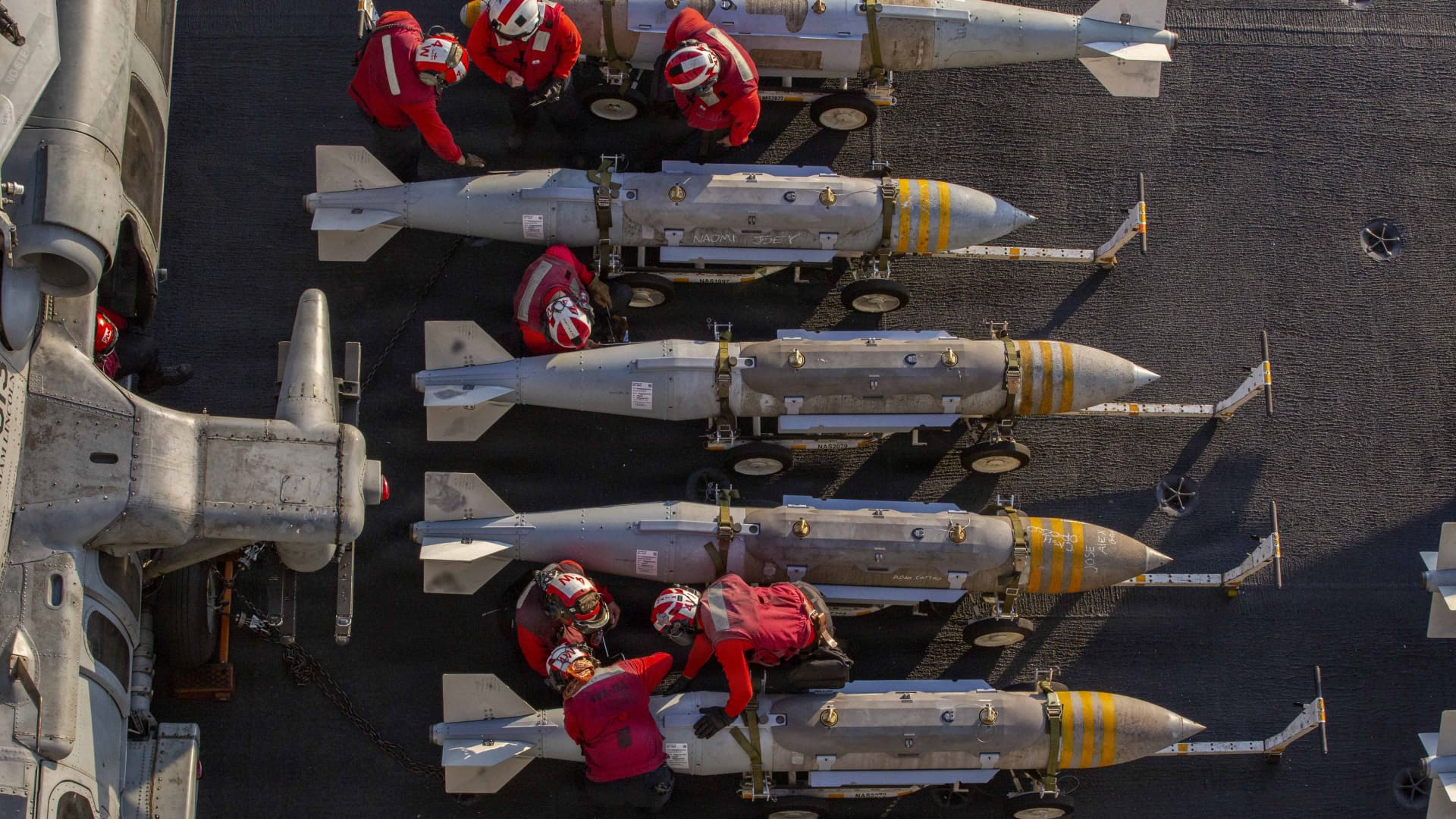
CBO’s approximately $38 billion figure covers the Pentagon’s costs to replace munitions used in the conflict and equipment lost in battle, plus increased flying hours, other operations and higher fuel costs. CNBC, reporting on the CBO analysis, said the estimate was $38.1 billion and calculated the average daily pace at $246 million.
The estimate leaves out basic operating costs for participating military forces that were already included in the federal budget. It also excludes costs borne by other federal agencies, including higher fuel costs for the Postal Service, CBO said.
That boundary is important. CBO examined several types of effects, including Pentagon operations, the military’s reduced missile-defense inventory, economic disruption and possible costs such as diplomacy and foreign aid. The agency said those categories rely on different methods, cover different periods and carry different levels of uncertainty, so they cannot be added together into a single total.
How much could another month of fighting cost?
CBO estimated an additional month would cost $2 billion if fighting remained as limited as it was in May and June. At roughly July’s level of intensity, the estimate rises to $3 billion for the month. A further escalation could push the monthly amount higher, the agency said.
The historical daily average should not be read as a forecast: CBO said costs depend on the intensity of the conflict. Its underlying estimate also carries considerable uncertainty because the agency relied on government databases and public reporting after the Defense Department did not respond to CBO information requests.
The agency identified the heavy use of missile-defense interceptors as the Pentagon’s principal opportunity cost. That means resources expended in one conflict are unavailable for another need. CBO said the reduced inventory could last for several years and would be particularly consequential in a conflict involving an adversary with large ballistic- and cruise-missile forces.
What could the conflict mean for inflation?
CBO attributed the principal economic effect to reduced oil and natural-gas shipments through the Strait of Hormuz and disruption to Red Sea shipping. Those developments have raised global energy prices, while higher petroleum and shipping costs can feed through supply chains into the prices of other goods and services.
For the first quarter of 2027, CBO projected year-over-year PCE inflation to be 0.5 percentage points above its February forecast. It projected core PCE inflation to be 0.3 percentage points above that earlier forecast. CBO also estimated that conflict-related inflation would leave three-month Treasury bill rates nearly 0.2 percentage points higher in 2026 than it had expected in February.
The report does not settle the conflict’s eventual fiscal cost. It instead provides a dated estimate of selected Pentagon expenses, alongside conditional scenarios for what continued operations could add.
This story draws on original reporting from CNBC.