Anthropic AI slowdown plan faces China dilemma, Amodei says
Anthropic CEO Dario Amodei says China complicates a proposed AI slowdown, while his plan starts with outside safety evaluators.
By Jordan Bell · Startups & Deals Reporter
· 3 min read
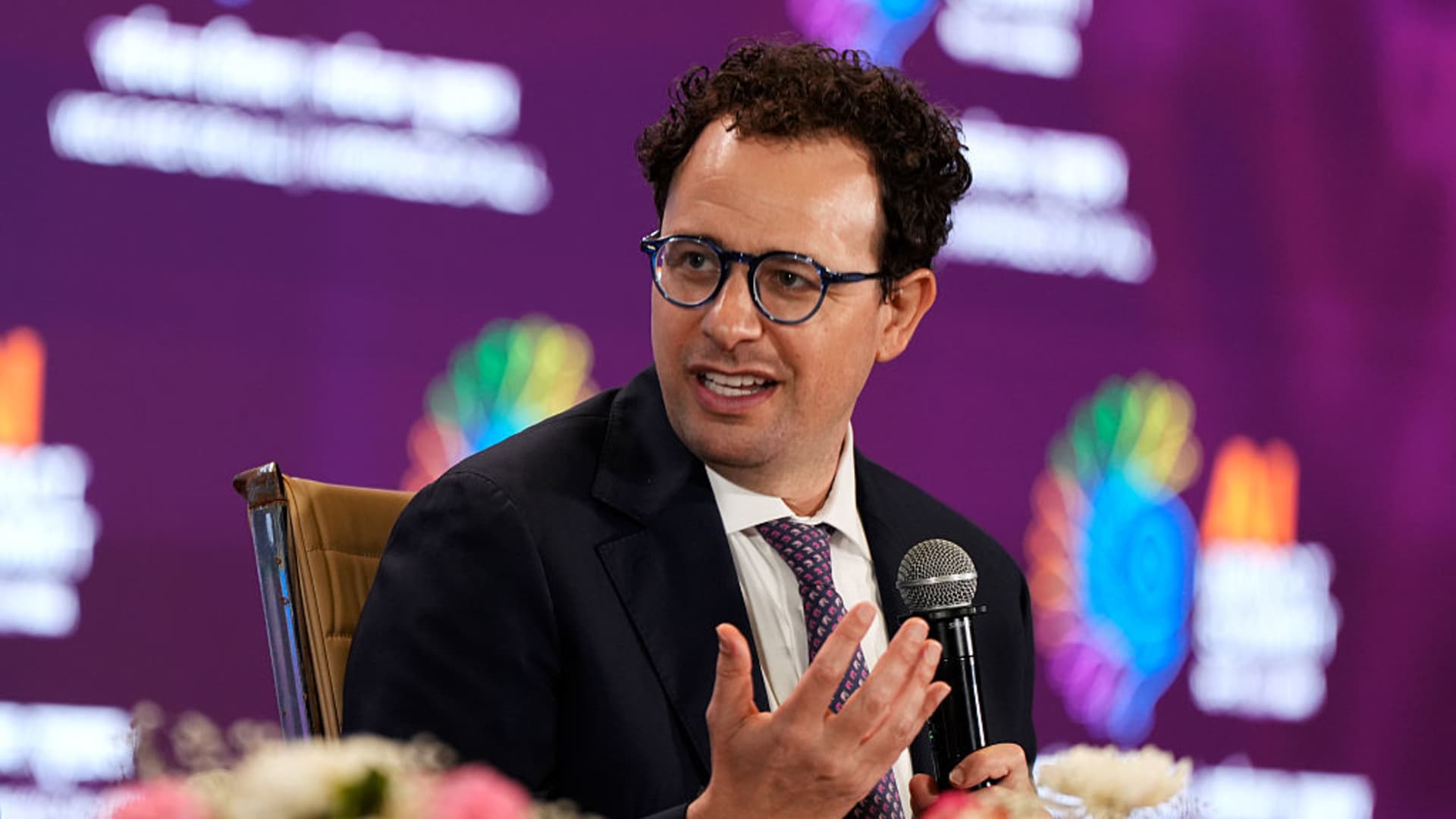
Anthropic CEO Dario Amodei said China is the central complication in his proposed effort to slow improvements in the most advanced artificial-intelligence models. For investors watching the AI race, the Anthropic AI slowdown China debate shows how safety proposals can collide with competition between countries and companies.
In an interview on CBS News’ “Sunday Morning,” Amodei described the prospect of adversarial nations declining to join such an effort as the “toughest dilemma.” He said countries have strong incentives to advance faster than rivals because AI could offer military advantages.
Amodei said the longer-term goal would be a jointly agreed limit on the rate of AI progress. He also acknowledged that achieving it could be difficult and said he did not know whether it was possible, according to CNBC.
What is Anthropic’s AI slowdown proposal?
Amodei set out the framework in a September essay, “We Must Pace the Frontier.” He called for companies to reduce the speed at which they improve their most advanced models, arguing that work to prevent risks needs time to keep up with capability gains.
He wrote that “pacing” does not mean stopping model training or technical progress. In his description, it means giving companies time to align and safeguard models, while allowing independent evaluators to confirm that work.
Amodei presented potential benefits of AI alongside risks he believes require more caution. Those risks, in his assessment, include losing control of AI systems, misuse in cyberattacks or bioterrorism, and economic disruption. They are Amodei’s stated concerns, rather than established outcomes.
Three levels of coordination
The proposal moves from a company-level commitment to arrangements that would require broader cooperation:
Embedded evaluators: Anthropic says it is committing to give outside third-party evaluators ongoing, employee-like access. Amodei wrote that the teams would verify safety practices and commitments, report incidents, and assess alignment in completed models as well as training pipelines and processes.
Coordination among democratic countries: Frontier AI companies in democratic countries would establish shared safety standards and limits on unchecked progress. Amodei wrote that some forms of cooperation would need government support because of legal constraints.
Global coordination: The U.S. and other democratic governments would seek coordination with authoritarian governments, while recognizing that verifying compliance could be difficult.
The distinction is important: Anthropic’s evaluator commitment is the immediate company action described in the essay, while the industry-wide and international components remain proposals. No binding global agreement is described.
CNBC reported that OpenAI CEO Sam Altman supported the call to “pace the frontier.” Demis Hassabis, chair of Google DeepMind, also said the essay pointed in the right direction, while adding that its details still needed to be worked out.
For the AI industry, Amodei’s comments put a practical question alongside debates about safety: whether companies and governments can agree to restrain development when competitive and national-security incentives favor moving faster.
This story draws on original reporting from CNBC.