Congress AI guardrails push meets resistance over speed and innovation
House Democrats want Congress to stay in session for AI safeguards, while Speaker Mike Johnson argues against a rushed approach.
By Jordan Bell · Startups & Deals Reporter
· 3 min read
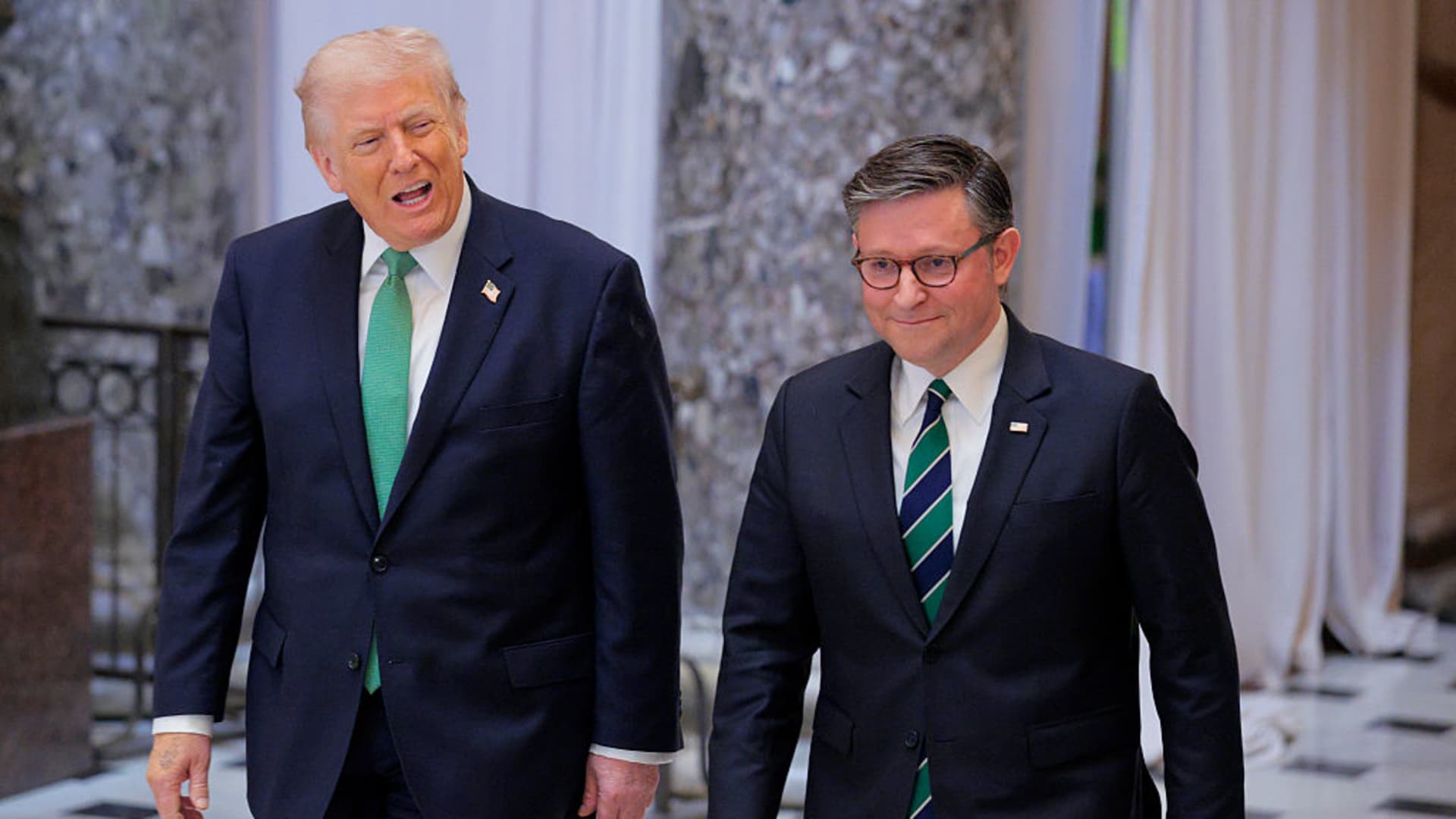
The push for Congress AI guardrails has become a near-term fight over both policy and timing. House Democrats led by Rep. Sam Liccardo, D-Calif., have asked Speaker Mike Johnson, R-La., to keep the House in session until it advances bipartisan artificial-intelligence safeguards, CNBC reported. For investors watching companies build and sell AI products, the dispute signals continued uncertainty over whether Washington will set federal rules, and how quickly it may try to do so.
The request followed renewed public warnings about AI risks. CNBC reported that an Anthropic researcher resigned and warned about the technology's potential dangers, while leaders of Anthropic, OpenAI and xAI made commitments to slow development. The report did not specify the terms of those commitments.
Liccardo and other Democrats urged the House to consider a range of proposals rather than pointing to one agreed bill. None of the measures cited by CNBC was established in the available reporting as enacted law, or as legislation with a defined path to passage.
What AI safeguards are House Democrats asking Congress to consider?
- Frontier-model transparency and evaluations: The lawmakers cited proposals that would require transparency and evaluations for frontier models. CNBC's report did not provide further details on the standards, covered companies or timing of those requirements.
- Kill-switch requirements: The group also identified proposals involving kill-switch requirements. The report did not describe how such a requirement would operate.
- Safety and security cooperation: Democrats pointed to a possible antitrust-law waiver intended to allow industry collaboration on safety and security, according to CNBC. The available reporting does not establish the waiver's legal scope or terms.
In this context, guardrails refer to rules intended to set boundaries or oversight requirements around AI development and use. The debate remains at the proposal stage in the reporting available.
House Democratic Leader Hakeem Jeffries said Democrats planned to meet Tuesday to discuss AI guardrails. He argued that Congress should act decisively and slow the pace of AI development to protect the public, CNBC reported.
Why does Mike Johnson oppose a rushed AI session?
Johnson said Congress should not convene an emergency session merely to regulate AI. In remarks on CNN cited by CNBC, he warned that moving too quickly could hurt U.S. competitiveness against China and said policymakers should avoid restricting American innovation.
Instead, Johnson called for Washington leaders and AI-company leaders to meet and determine a path forward. He also said companies should police themselves.
The scheduling issue is concrete. CNBC reported that Johnson was set to send the House home after that week until the November midterm elections. Separately, Congress.gov listed both the House and Senate as not in session on its supplied page, with the next House and Senate meetings scheduled for Sept. 14, 2026. That page did not tie those meetings to AI legislation or confirm the broader schedule described by CNBC.
The immediate outcome is unresolved: Democrats are pressing for consideration of safeguards before the election break, while Johnson has rejected the case for a rushed emergency response. For AI companies and their investors, that leaves the direction and timing of possible federal rules uncertain.
This story draws on original reporting from CNBC.