Ratepayer Protection Act House vote clears bill on data center power costs
The House passed the bipartisan Ratepayer Protection Act 417-3, putting pressure on large power users to account for grid costs.
By Theo Nakamura · Staff Writer
· 3 min read
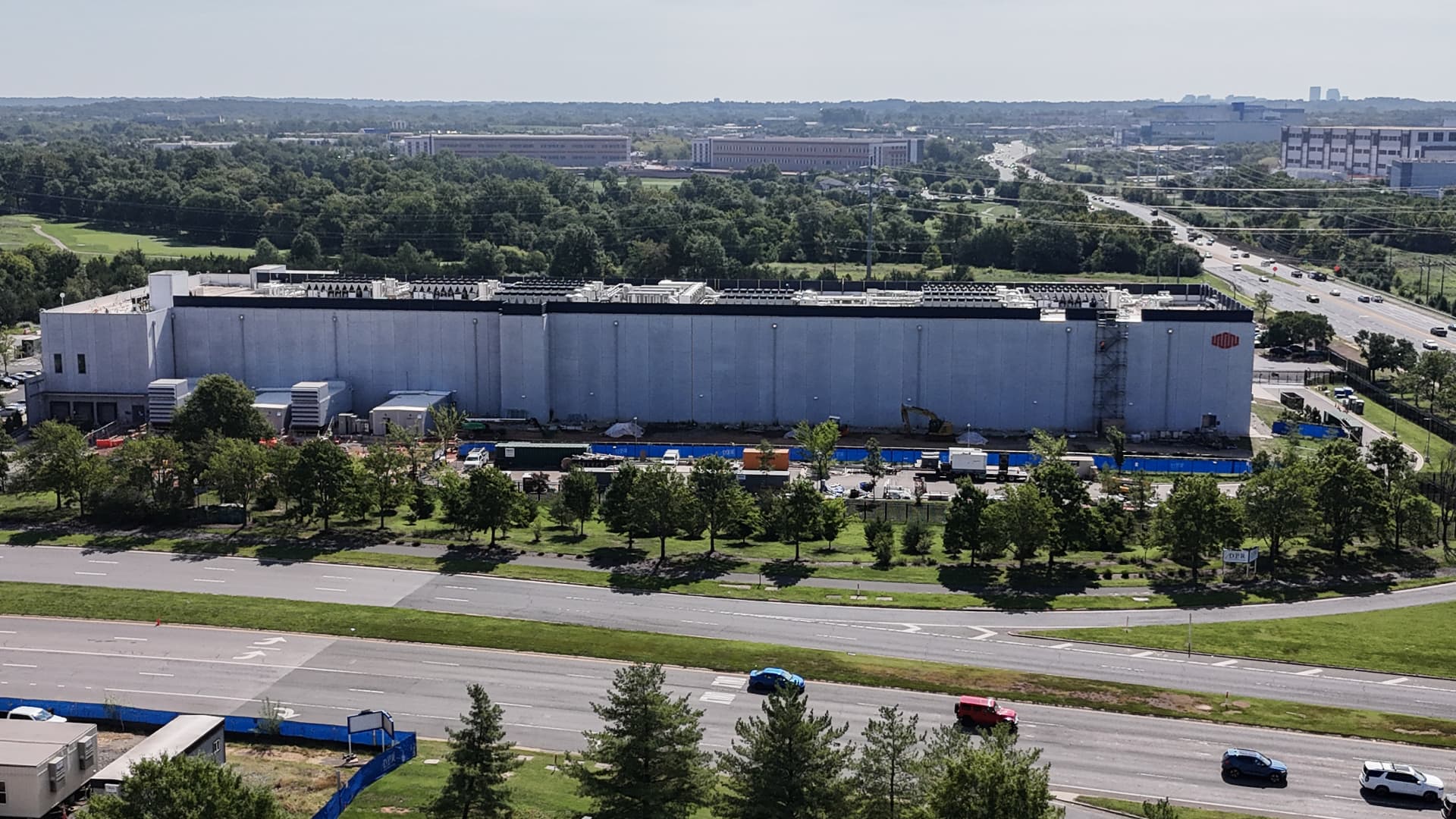
The Ratepayer Protection Act House vote ended 417-3 on Sept. 16, sending a bipartisan message that electricity customers should not automatically absorb the cost of serving expanding data centers. For households watching utility bills, the measure addresses who may pay for new grid equipment needed as large power users add demand.
The bill passed the House but has not been shown in the available reporting to have cleared the Senate or become law. It therefore does not establish a nationwide change to electricity rates.
Reuters reported that the proposal would require state utility regulators to consider whether large electricity users, including data centers, should bear the incremental costs of power infrastructure built to serve them. Incremental costs are the added expense of new generation, transmission or other equipment required because of a new customer's demand.
That approach puts the focus on cost allocation. When a utility builds infrastructure, regulators decide how those costs are recovered through customer rates. The House measure seeks to have regulators weigh whether the large user that creates the need should cover those added costs rather than shifting them to other customers.
What would the Ratepayer Protection Act do for utility customers?
It would direct state regulators to consider assigning new infrastructure costs to large power users. The reporting does not establish a specific national rate formula, guarantee lower bills, or show that every data center would be required to pay for every grid upgrade.
Reps. Kathy Castor, a Florida Democrat, and Gabe Evans, a Colorado Republican, introduced the legislation, according to Reuters. The lopsided vote reflects bipartisan concern about electricity affordability as data centers supporting artificial intelligence require more power.
The legislation arrives amid competing priorities in Washington. Reuters reported that President Donald Trump has backed data-center development as important to U.S. leadership in artificial intelligence. Meanwhile, lawmakers in both parties have faced constituent concerns that the sector's demand for electricity could raise household costs.
What the bill does not address
Several critics said the measure is limited. House Democratic Leader Hakeem Jeffries called it an appropriate step forward while saying more work was needed, Reuters reported. Former Federal Energy Regulatory Commission member Allison Clements described it as a relatively modest move that nonetheless signals congressional attention to customer protection as electricity demand grows.
Food & Water Watch said the bill concentrates on electricity costs while leaving out concerns over water resources, pollution and effects on communities. Rep. Robert Garcia, a California Democrat, also said before the vote that the measure did not go far enough, according to Reuters.
The next legislative steps will determine whether the House action becomes a binding federal policy. For now, the vote marks the House's first advancement of legislation aimed directly at the economic concerns surrounding the data-center buildout, Reuters reported.
This story draws on original reporting from CNBC.