Robot relations department is a proposed answer to workplace AI conflicts
A proposed robot relations department could help handle AI workplace disputes, but it is not yet a standard corporate function.
By Maya Okafor · Markets Writer
· 3 min read
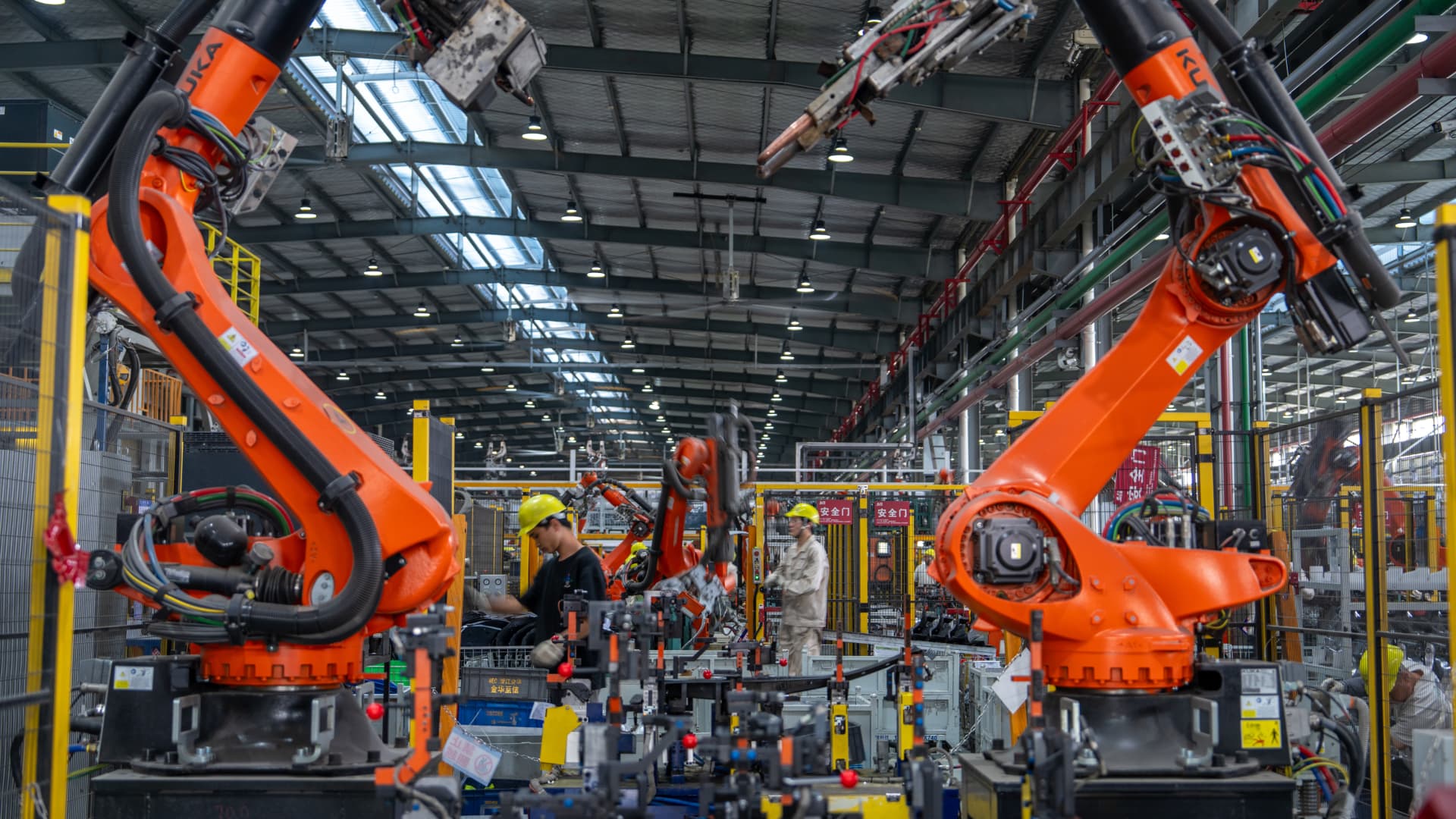
A robot relations department is being floated as a future workplace function to handle conflicts between employees and the artificial intelligence systems increasingly involved in their jobs. For investors watching companies bring AI into operations, the immediate point is more practical: this is a proposal, not evidence that a new corporate department is already widely in place.
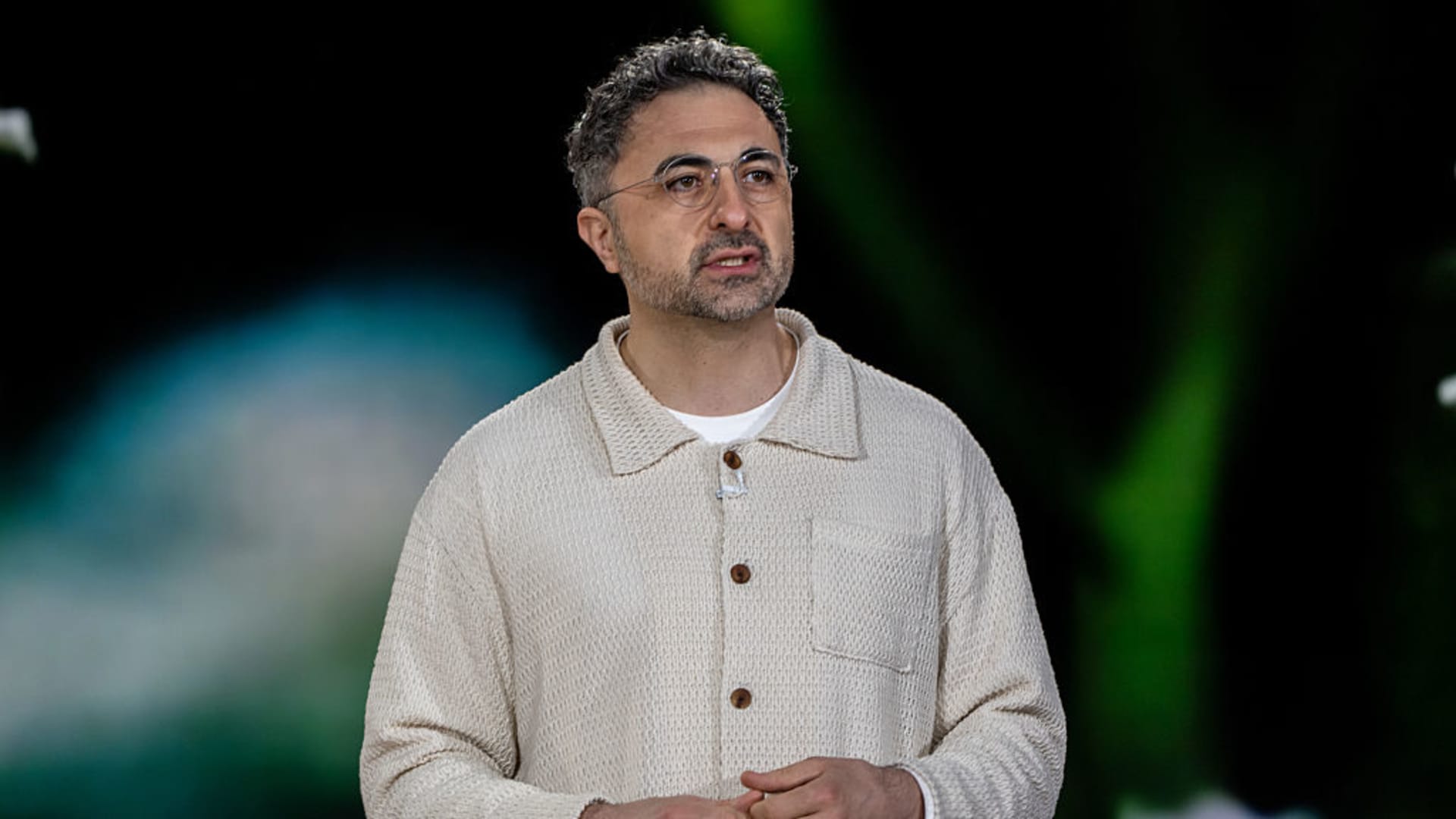
The idea comes from Darrell M. West, a senior fellow at the Brookings Institution. In a July commentary cited by CNBC, West argued that companies may need to add a function alongside human resources as workers interact with AI agents, chatbots, large language models and collaborative robots, or cobots. CNBC reported that West may be among the first people to use the specific shorthand “RR” for robot relations.
A dedicated team could address questions that traditional HR processes may increasingly face: whether an employee must use an AI tool, who is accountable when AI-assisted work contains an error, and how staff can challenge automated decisions that affect their job. Those are proposed responsibilities, rather than a defined corporate standard.
What would a robot relations department do?
It would focus on the working relationship between people and automated systems. That could include employee complaints about AI tools, disputes over responsibility, and concerns about how software affects schedules, evaluations or discipline.
The underlying issue is often called algorithmic management: software used to direct, track or assess workers. It can range from scheduling systems to tools that help evaluate performance. CNBC reported that, in a recent OECD survey, 90% of U.S. managers said their organizations had adopted at least one such tool to instruct, monitor or evaluate workers.
That adoption does not show that these tools make final employment decisions on their own. It does show why companies, workers and lawmakers are focused on the rules governing their use.
Current disputes are already drawing scrutiny
Concerns about unfair or biased HR algorithms, including systems that could help identify workers for layoffs, already exist, CNBC reported. Former Meta employees sued the company in July, alleging AI-assisted tools were used to rank and select employees for layoffs in a way that disproportionately affected people who had taken medical or family leave. Meta denied the allegations.
CNBC also reported that a May survey from labor nonprofit United for Respect found growing concern among Walmart and Amazon workers about automated HR decisions. Amazon said the respondents represented only a fraction of its workforce.
In California, a bill that had passed the state legislature would restrict automated systems from firing or disciplining workers, according to CNBC. At the time of the report, it was awaiting Gov. Gavin Newsom’s decision.
One example of the issues under debate came from an experimental San Francisco store run by AI company Andon Labs. CNBC reported that its AI system, Luna, had duties including hiring, scheduling and managing workers, and recommended terminating an employee in August.
For now, “robot relations” is best understood as a possible response to these tensions, not as an established department on the organizational chart. The question for companies is whether existing HR, legal and management structures can handle disputes created by systems that influence how people are managed at work.
This story draws on original reporting from CNBC.