Crypto majors hold steady as a16z raises $15 billion for AI and crypto
Bitcoin, ether and solana were little changed while investors weighed fresh crypto infrastructure, regulation and tokenization updates.
By Dev Ramirez · Crypto Correspondent
· 3 min read
Crypto’s largest tokens were quiet heading into Monday’s open, giving retail investors a breather after a run of policy, venture capital and payments headlines. Bitcoin was flat at $90,600, while ether rose 1% to $3,110 and solana gained 2% to $140.
XRP slipped 2% to $2.04. Among larger movers, IP climbed 20% and monero, which trades under the ticker XMR, rose 15%. XMR reached a new all-time high at $590.
For investors, a flat tape means the big story was less about price momentum and more about market plumbing: who is funding crypto projects, where payments firms can operate, and how traditional finance is testing blockchain-style products.
A16z puts fresh capital behind AI and crypto
Andreessen Horowitz, the venture capital firm known as a16z, raised $15 billion to fund its American Dynamism strategy, with artificial intelligence and crypto listed as key areas of focus. Venture funding matters because it can shape which startups have the cash to build products before they have meaningful revenue.
AI and crypto often compete for investor attention, but a16z’s raise shows major private-market capital is still being allocated to both. The firm’s American Dynamism strategy focuses on companies tied to U.S. industrial, defense, infrastructure and technology priorities, according to the announcement described.
Policy headlines pile up
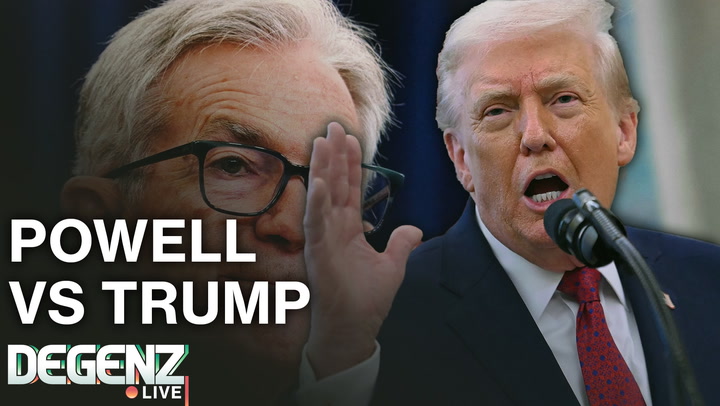
Federal Reserve Chair Jerome Powell released a video message saying the criminal charges he faces are connected to his decision not to cut interest rates in line with President Donald Trump’s wishes. Interest rates matter to crypto and stocks because lower rates can make riskier assets more attractive by reducing the appeal of cash and government bonds.
A new House bill would bar lawmakers and federal officials from using prediction markets. Prediction markets let users wager on the outcome of future events, including elections, policy decisions and economic data releases. The proposal points to continued concern in Washington about conflicts of interest when public officials can trade on events they may influence.
Tether froze $182 million in USDT linked to Venezuela oil trades. USDT is Tether’s dollar-pegged stablecoin, meaning it is designed to trade at $1. Stablecoin freezes are significant because issuers can block specific tokens from moving, a feature that can support law enforcement actions but also reminds users that these assets are not the same as cash in a wallet.
Payments and market data get crypto upgrades
Ripple received approval from the U.K. Financial Conduct Authority to scale crypto payments in the country. Regulatory approval can be a practical hurdle for payments firms, since moving money for customers usually requires oversight from financial authorities.
BNY Mellon debuted tokenized deposits for institutional and digital-native clients. Tokenized deposits are digital versions of bank deposits that can be used on newer financial rails, potentially making settlement faster for approved clients.
X, formerly Twitter, announced plans for “smart cashtags” that will show live crypto and stock prices next to ticker symbols. Cashtags are clickable ticker labels, such as a dollar sign followed by a symbol, that investors use to track assets in posts. Adding live prices could turn X into a more direct market-monitoring tool for users following stocks and tokens.
VanEck projected that bitcoin could reach $53 million by 2050. The asset manager based that long-term estimate on assumptions about adoption, trade settlement use and bitcoin’s role as a store of value, with 29% annual growth built into the projection.
This story draws on original reporting from Decrypt.