Pavel Durov Russia charges put Telegram back in legal spotlight
Russia’s FSB says Telegram founder Pavel Durov aided terrorism, adding legal pressure as Telegram expands its GRAM wallet plans.
By Sofia Marchetti · Columnist
· 3 min read
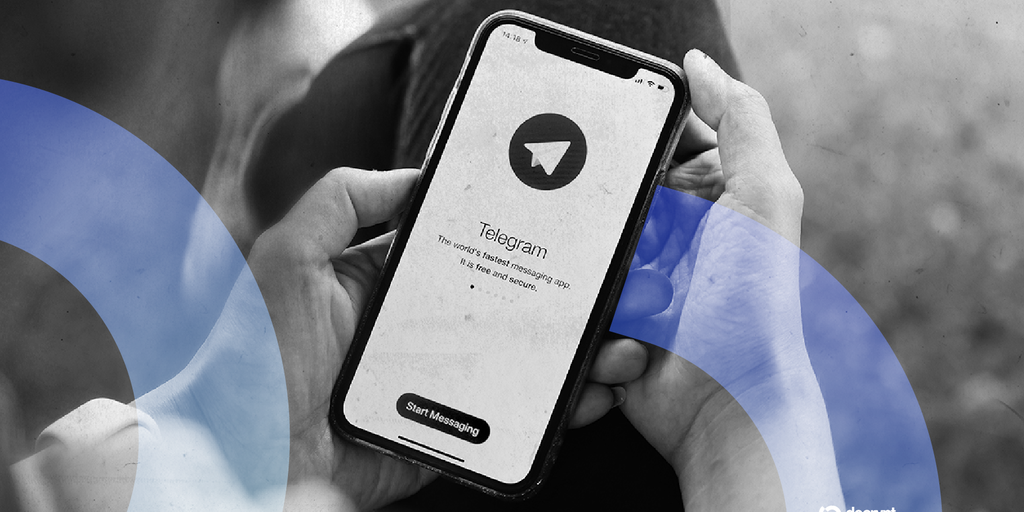
The Pavel Durov Russia charges put Telegram’s founder back under government pressure at a sensitive moment for one of crypto’s most widely watched messaging platforms. For retail investors, the immediate market angle is Telegram’s growing link to GRAM, the token tied to its planned wallet rollout for more than a billion users.
Russia’s Federal Security Service, known as the FSB, said Wednesday that Durov has been charged with aiding terrorist activity and added to an international wanted list, according to local news agency Interfax. The agency said the charge falls under Part 1.1 of Article 205.1 of Russia’s criminal code.
The FSB alleged that Telegram has not removed channels, chats and bots used by Ukrainian special services, terrorist groups and extremist organizations to plan or coordinate attacks, sabotage, mass killings and cyber fraud inside Russia. The agency said those activities caused deaths, including women and children, and billions in material damage.
Shortly after announcing the charge, the FSB said 46 Russian citizens had been detained for allegedly being recruited by Ukraine through a Telegram dating bot.
What do the Pavel Durov Russia charges mean?
A Russian wanted-list entry is a domestic designation, so it does not by itself require another country to arrest Durov. Any Interpol notice would need a separate request from Russia and a review by Interpol.
Durov has not lived in Russia since 2014 and is based in Dubai. AFP has reported that he holds at least four passports: Russian, French, Emirati and Saint Kitts and Nevis.
Telegram’s account on X posted a photo of Durov raising his middle finger soon after the charges were reported. The Moscow Times described the post as a response to the warrant. Durov has not directly addressed Wednesday’s charge.
When Russian authorities opened the case in February, Durov wrote on X that officials were trying to “fabricate new pretexts” to limit Russians’ access to Telegram. He called it “a sad spectacle of a state afraid of its own people.”
How Telegram’s legal fights compare
Durov is also facing a separate case in France. He was indicted there in 2024 over drug trafficking, organized fraud and child sexual abuse material on Telegram, then released under judicial supervision on a €5 million, or $5.5 million, bond.
Durov has denied wrongdoing in the French matter and called that case “legally and logically absurd” in a post on X. Both the Russian and French cases center on government claims that Telegram does not remove certain content or cooperate with investigators.
Russia began restricting Telegram in August last year. Interfax reported that the platform has been fined 100 million rubles, or $1.3 million, so far this year, mostly over alleged failures to delete banned content.
Kremlin spokesman Dmitry Peskov said Monday that discussions about restoring the service are continuing, according to Interfax, though he said Telegram representatives were “not very active.” Russian authorities have also promoted the state-backed MAX messenger, which activists have criticized as a “digital trap,” according to BBC Monitoring.
What happened to GRAM?
Telegram said this month it would expand a native, non-custodial GRAM wallet to more than a billion users. Durov described the planned rollout as the largest in history.
The token was renamed from Toncoin in June after an 81% community vote. It rose 7% after Telegram’s wallet announcement, according to the report.
GRAM traded at $1.42 on Wednesday, down 2.5%, according to CoinGecko data. The price move gives investors a clean signal to watch: legal risk around Telegram can quickly become part of the market story for its connected token.
This story draws on original reporting from Decrypt.