US Iran ceasefire odds fall on Polymarket despite pause in strikes
Polymarket traders cut the odds of a 14-day US-Iran ceasefire as Trump warned strikes could resume if diplomacy fails.
By Sofia Marchetti · Columnist
· 3 min read
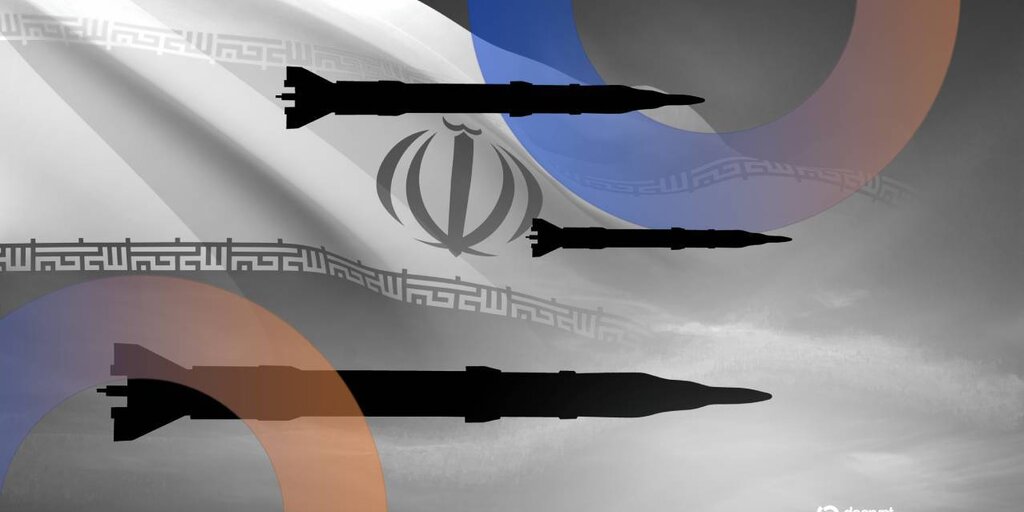
US Iran ceasefire odds weakened on Polymarket even after the United States announced a pause in offensive action against Iran, according to CNN. For investors watching oil, crypto and broader risk assets, the move shows markets are still pricing in a meaningful chance that the conflict resumes.
A Polymarket contract tied to whether there will be a continuous 14-day period without a U.S. airstrike or surface-to-surface missile strike directly hitting Iranian territory fell from above 60% to about 53% on Tuesday, according to Polymarket. Prediction markets are platforms where users buy and sell contracts tied to future events, so the price is often read as the market’s implied probability.
The contract’s move does not prove what will happen. It does show that traders are less confident the pause will hold for the full two-week window required by the market’s rules.
Will the US Iran ceasefire last?
The market is close to split on whether the ceasefire lasts long enough to satisfy the Polymarket contract. A ceasefire means a sustained halt in fighting, while a market contract can define that halt in a narrower way, in this case by focusing on whether U.S. strikes hit Iranian territory for 14 straight days.
The skepticism follows mixed signals from officials. The U.S. and Iran had held fire for a third day by Monday after 13 consecutive nights of U.S. strikes, according to the report. President Donald Trump told Axios he was prepared to return to “very strong military action” if talks do not succeed.
Iran has disputed the idea that direct talks are underway. Al Jazeera reported that Iran denied direct negotiations were taking place and said messages were being relayed through mediators.
That distinction matters for markets because a ceasefire can reduce immediate risk, but investors often look for a diplomatic process that lowers the chance of another shock. If talks are unclear or indirect, traders may price in more uncertainty around oil supply, defense risk and risk-sensitive assets such as crypto.
What prediction markets are saying about talks
Myriad, a prediction market developed by Dastan, is separately tracking when the next formal senior-level round of U.S.-Iran peace talks begins. Its rules exclude technical meetings, phone calls and messages through mediators unless they are part of a formally convened senior-level round.
On Myriad, the market showed low odds of talks starting by July 31, at 2%. It showed 13% for August 7, 26% for August 15 and 45% for August 31, indicating users were leaning toward a later round of talks.
The Polymarket contract can stay relevant beyond July 31 because its 14-day no-strike period only has to begin by that date, according to the market rules described in the report. That means traders may still be reacting to developments into mid-August.
Markets have treated prior ceasefire news cautiously. In April, a ceasefire announcement sent Bitcoin and oil markets sharply higher, while analysts described it as “fragile breathing room.” Days later, prediction markets still showed doubt that shipping through the Strait of Hormuz would return to normal because ships were continuing to turn back.
For retail investors, the takeaway is about risk pricing rather than certainty. The ceasefire announcement eased the immediate conflict backdrop, but prediction markets are signaling that traders still see the next two weeks as unresolved.
This story draws on original reporting from Decrypt.