Bank of England raises Bank Rate to 4% as inflation forecast nears 5%
The Bank of England lifted its key rate by 0.25 points to 4% and expects inflation to reach about 5% by mid-2027.
By Sofia Marchetti · Columnist
· 3 min read
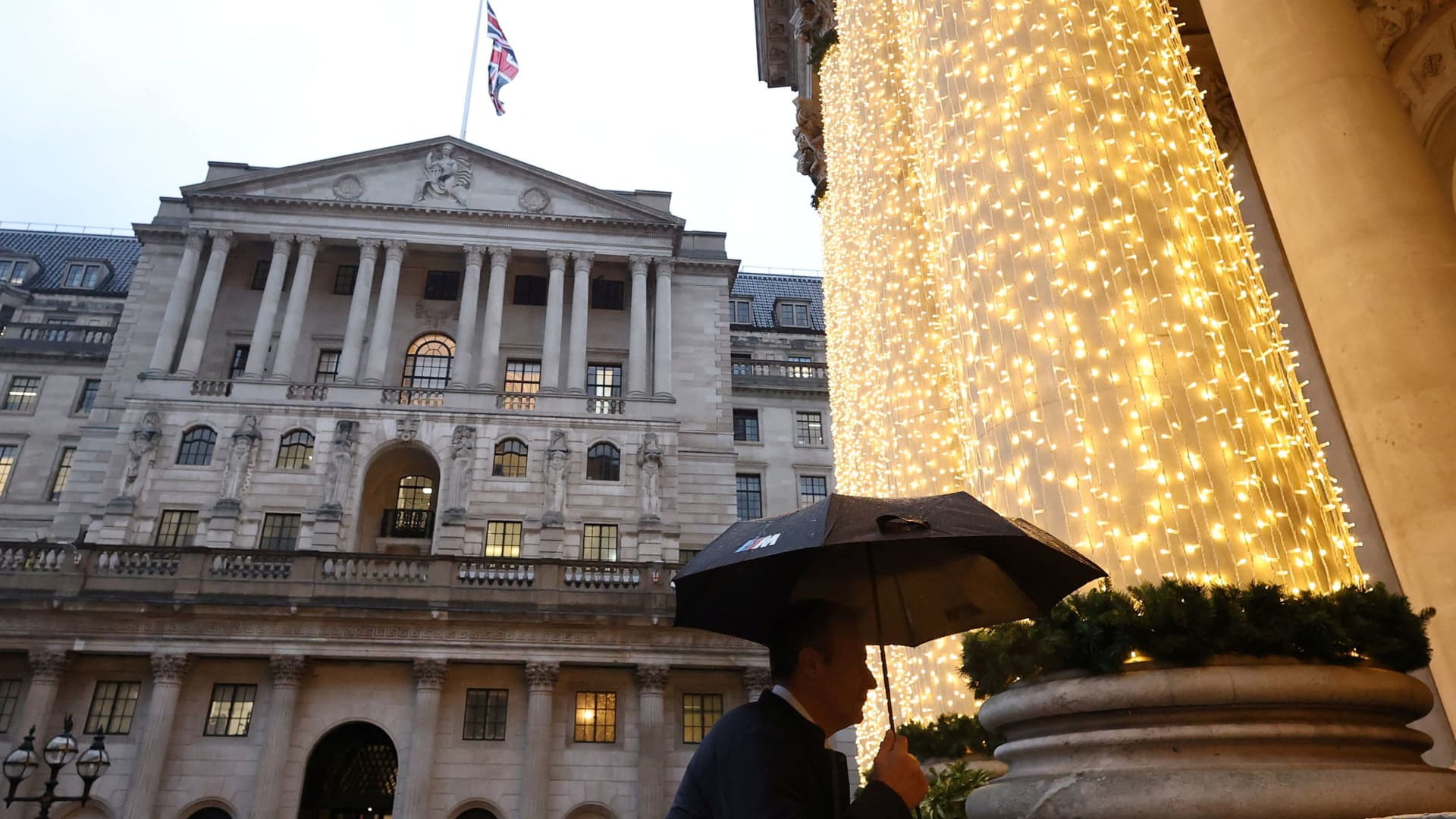
The Bank of England rate hike takes the UK’s key interest rate to 4%, up from 3.75%, as policymakers respond to higher energy costs and an expected increase in inflation. The decision affects the backdrop for household borrowing, business finance and savings, although individual lenders set their own rates and terms.
The Bank raised Bank Rate by 0.25 percentage points on Nov. 5, its first increase since August 2023. It said UK inflation was 3.5%, above its 2% target, and forecast that it could rise to about 5% by the middle of 2027.
The central bank linked the pressure to conflict in the Middle East, which it said had disrupted the transport and supply of energy. That has raised motor-fuel costs and household utility bills. The Bank is seeking to prevent those higher energy costs from feeding more broadly into prices and wages.
Why did the Bank of England raise interest rates?
The Bank said higher energy bills can lift inflation directly and can also raise costs for businesses. If companies respond by increasing their own prices, or if wage growth adjusts to reflect persistently higher living costs, inflation can become harder to bring back down.
Bank Rate cannot lower global oil and gas prices, the Bank said. Its aim is to curb the risk that the energy shock creates longer-lasting inflation elsewhere in the economy. It said there has so far been little evidence of significant spillovers into other prices and wages, but the risk grows if energy costs stay high.
Governor Andrew Bailey said the move should not be read as the beginning of a predetermined series of increases. He also said it might not be the last rise if the Middle East conflict remains unresolved. The Bank said it will assess conditions at each meeting as it works to return inflation sustainably to its 2% target.
What does Bank Rate mean for borrowers and savers?
Bank Rate is the interest rate the Bank of England sets for the UK. According to the Bank, it influences the rates commercial banks and building societies charge on loans and pay on savings, but it does not mechanically set every customer’s rate.
For a loan or mortgage, a lender can also consider the risk of non-repayment and the length of the loan. That means changes in Bank Rate may be reflected differently across financial products and providers. The Bank says higher rates tend to make borrowing more expensive and saving more rewarding, which can reduce spending and ease price pressures over time.
The policy reversal follows an earlier easing cycle. The Bank cut Bank Rate from 5.25% in August 2024 to 3.75% in December 2025, before the latest energy shock. Its next scheduled rate decision is Dec. 17, 2026.
This story draws on original reporting from CNBC.