Fed’s Warsh leaves October rate decision open as markets expect a hold
Futures put the odds of an October Fed hike at 15%, but Kevin Warsh’s approach and inflation data leave room for a surprise.
By Priya Nair · Economy Reporter
· 3 min read
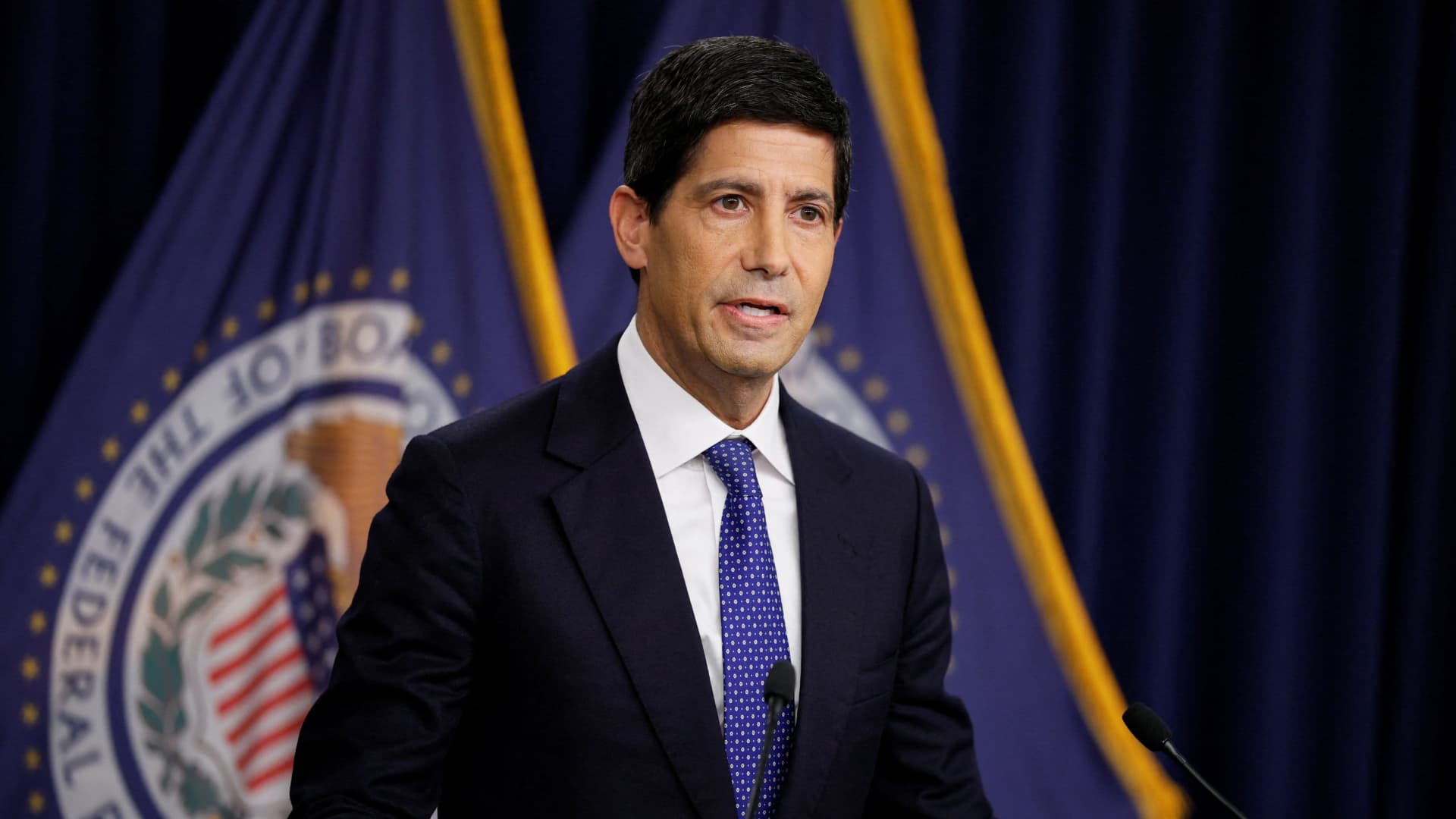
The Fed October rate decision is widely expected to bring a hold, based on market pricing and recent comments from senior officials. But the possibility of an increase has not been ruled out: Chair Kevin Warsh declined to signal the outcome ahead of the Oct. 27-28 meeting, leaving investors to weigh his focus on inflation against the market’s base case.
CNBC reported that interest-rate futures assigned a 15% probability to an October hike on the morning of Oct. 16. That is a market-based estimate, not a forecast from the Federal Open Market Committee, the Fed panel that votes on rates.
For investors, the immediate point is uncertainty rather than a changed consensus. A hold remained the expected result, but Warsh has not used the familiar practice of giving markets a clear indication of the committee’s next move before the meeting.
Will the Fed raise rates in October?
Available reporting points to a hold as the more likely outcome, while leaving a rate increase as a live possibility. CNBC said Vice Chair Philip Jefferson and New York Fed President John Williams had indicated they were comfortable keeping rates steady. Bloomberg, meanwhile, reported that Warsh’s remarks in Bangkok did not shake market expectations for a hold.
Warsh said the economy had moved broadly in the direction policymakers expected following their September meeting, according to NBC News. He also reiterated the Fed’s commitment to price stability, but did not offer a timetable for any future move. NBC reported that he said the central bank was no longer in the business of broadcasting its decisions in advance.
That approach is central to the debate. CNBC reported that Warsh has rejected the convention of telegraphing a decision before an FOMC meeting and has said the Fed’s September economic projections were not his own forecasts. It means remarks from other Fed officials may offer less certainty about Warsh’s position than investors have assumed, though they remain relevant evidence of the committee’s wider views.
Why inflation and financial conditions are part of the case
CNBC reported that consumer prices were up 3.7% from a year earlier through September, while the producer price index rose 6.3%. Those readings could support an argument for another increase, CNBC said, but neither Warsh nor the FOMC had announced a decision as of the reporting date.
Financial conditions provide another piece of context. The Chicago Fed’s National Financial Conditions Index, or NFCI, rose to -0.50 in the week ending Oct. 9. The index combines 105 measures spanning risk, credit and leverage across financial markets. A negative reading has historically corresponded to looser-than-average financial conditions, according to the Chicago Fed.
The level and the weekly move describe different things. The NFCI increased from the prior week, indicating conditions tightened at the margin, but it remained below zero. The Chicago Fed reported that 100 of its 105 component indicators were looser than average, while 60 had tightened over the prior week.
CNBC’s analysis viewed the inflation figures, still-negative NFCI and Warsh’s unwillingness to pre-commit as reasons a hike could still occur. Bloomberg’s reading of the Bangkok appearance was more restrained, finding no new message that challenged expectations for a pause. The meeting itself will settle the question.
This story draws on original reporting from CNBC.