September PPI inflation rises 6.3%, led by fuel costs
U.S. producer prices rose 1.3% in September and 6.3% from a year earlier, with energy and transportation costs driving the increase.
By Priya Nair · Economy Reporter
· 3 min read

September PPI inflation 2026 came in well above expectations, with U.S. producer prices rising 1.3% in September and 6.3% from a year earlier, according to reports on Labor Department data. For investors and consumers, the report points to higher costs moving through supply chains, though it does not mean store prices will rise by the same amount or on the same timetable.
The 6.3% annual increase was the largest since December 2022, up from 5.6% in August, PBS NewsHour reported. The monthly rise was the biggest since March 2022, following a 0.5% increase in August. CNBC reported that both readings exceeded the expectations of economists surveyed by Dow Jones, who had projected a 0.6% monthly gain and a 5.5% annual increase.
The Producer Price Index, or PPI, tracks the change in prices received by businesses that produce goods and services. It differs from the Consumer Price Index, which measures prices paid by households. CNN reported that parts of the PPI feed into the Federal Reserve’s preferred Personal Consumption Expenditures price index.
What does September PPI inflation mean for consumer prices?
PPI can provide an early signal of costs that businesses may eventually pass along to customers. That pass-through is neither automatic nor one-for-one: companies can absorb costs, reduce margins or raise prices at different times. Still, higher fuel, freight and warehouse expenses can raise the cost of moving products from farms and factories to stores.
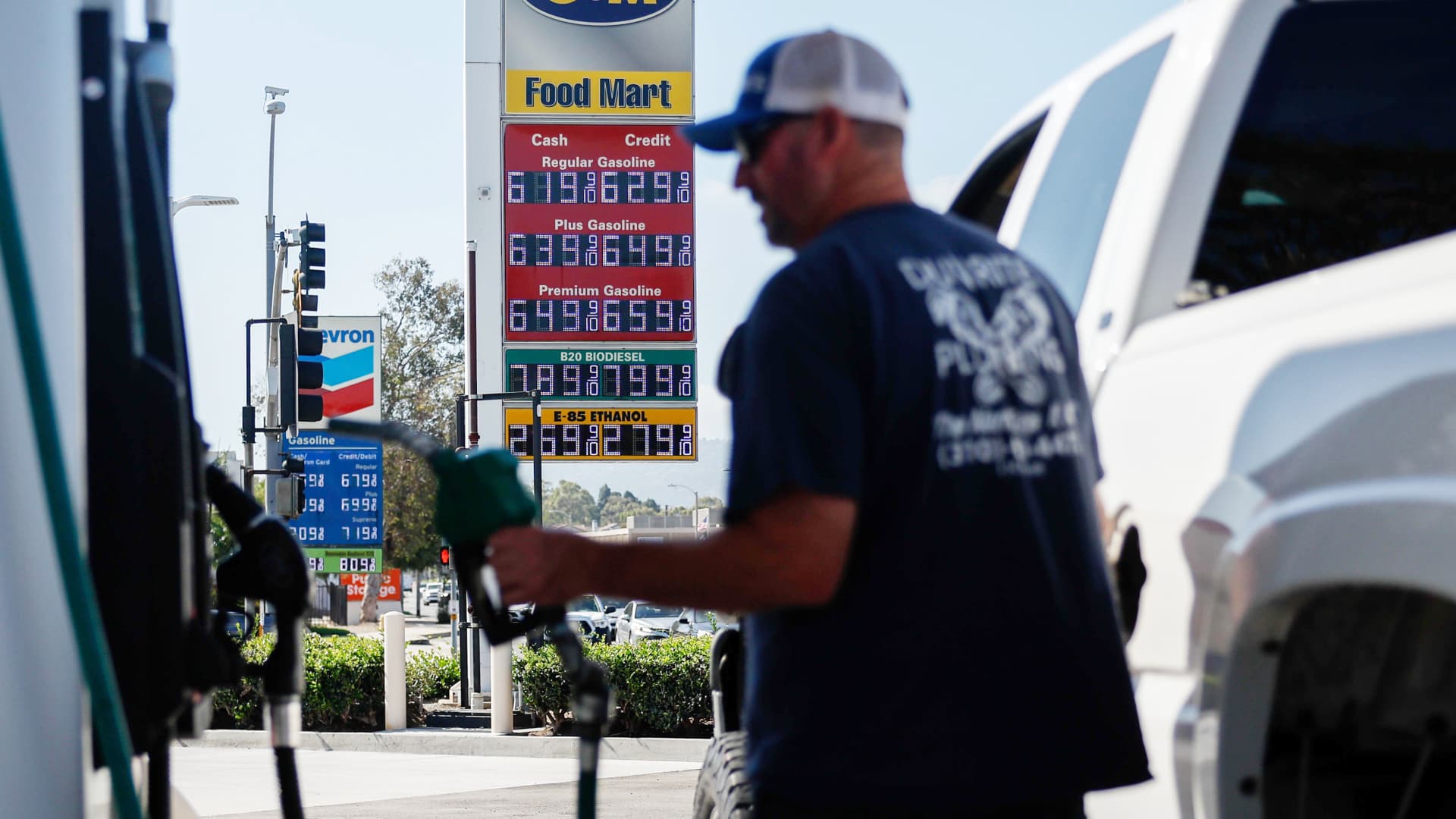
Energy was the main force behind September’s increase. PBS NewsHour, citing the Labor Department report, said transportation and warehousing prices climbed 3.4% during the month and were 16% higher than a year earlier. It also reported that wholesale gasoline prices rose more than 20% from August to September. CNBC said diesel prices accounted for nearly half of the increase in processed goods for immediate demand.
Those costs matter beyond gasoline purchases. Freight companies use diesel, and farmers use fuel for equipment, so higher energy prices can affect the cost of food and other goods as they move through the economy. PBS NewsHour reported that wholesale food prices rose 1.2% in September, while remaining unchanged from a year earlier.
Price pressure extended beyond food and energy
So-called core PPI, which excludes food and energy to reduce short-term volatility, rose 0.7% in September and 5% over 12 months, CNBC and PBS NewsHour reported. The annual core measure increased from 4.6% in August, according to PBS NewsHour. That reading suggests the month’s price pressure was not limited entirely to headline energy costs, although CNN reported that fuel-sensitive transportation categories were an important factor in the core increase.
The wholesale report followed a separate September consumer inflation reading. CNBC reported that the CPI rose 0.6% for the month and 3.7% from a year earlier. PBS NewsHour said the two inflation reports added pressure on the Federal Reserve, whose stated inflation target is 2%, without establishing what policymakers will decide at their next meeting.
- Headline PPI: 1.3% in September; 6.3% from a year earlier.
- Core PPI: 0.7% in September; 5% from a year earlier.
- Main reported driver: Higher energy costs, including diesel and gasoline, which lifted transportation-related expenses.
This story draws on original reporting from CNBC.