U.S. budget deficit reaches $1.992 trillion in fiscal 2026
Treasury’s final fiscal-year figures show a 12% wider annual budget gap, as outlays exceeded receipts by nearly $2 trillion.
By Sofia Marchetti · Columnist
· 2 min read
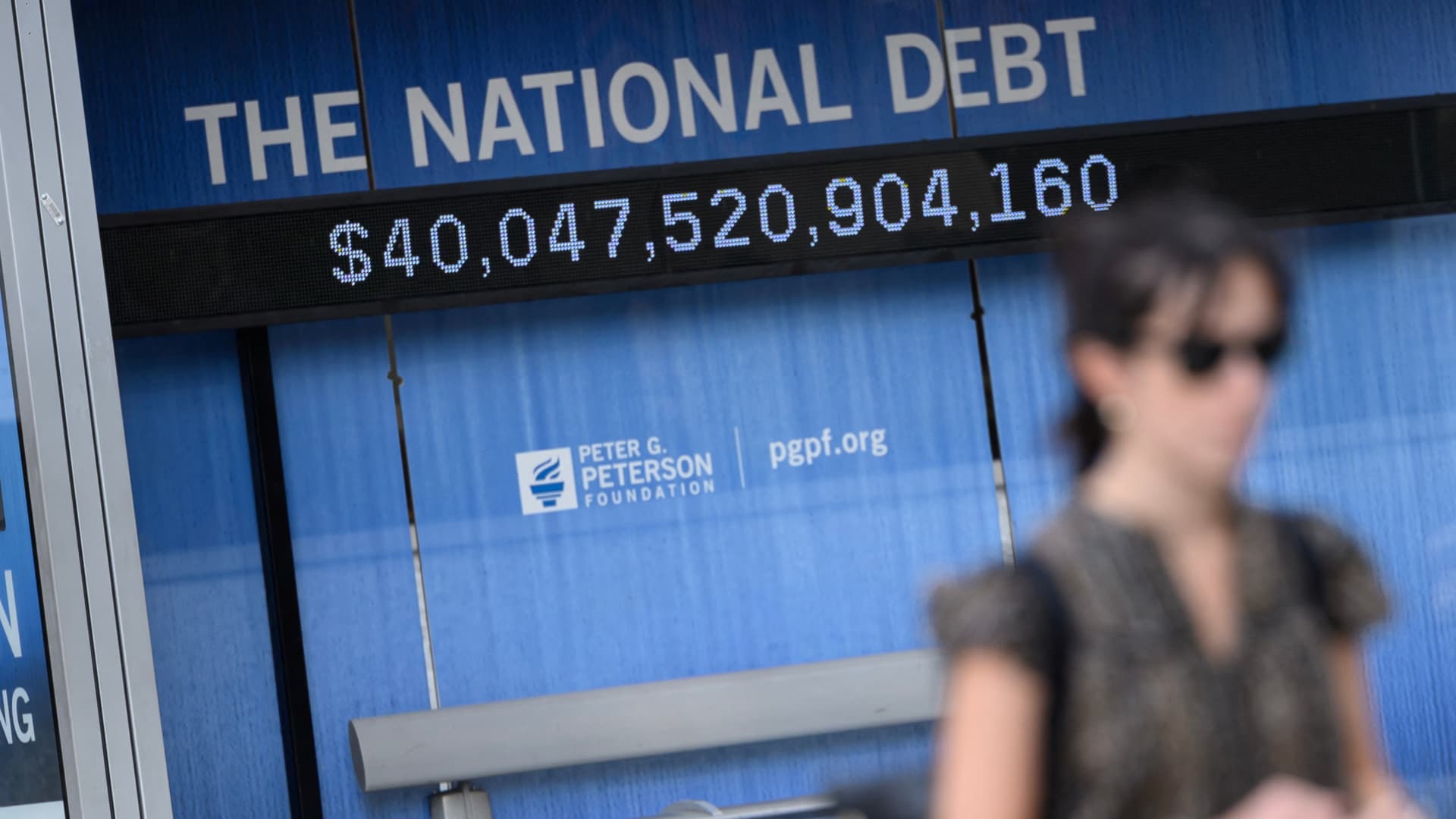
The U.S. budget deficit 2026 totaled $1.992 trillion for the fiscal year ended Sept. 30, up about 12% from $1.775 trillion a year earlier, according to the Treasury Department’s final monthly statement. For investors, the release is a year-end accounting view of federal spending and revenue, with the gap showing outlays exceeded receipts for the year.
Treasury reported $5.403 trillion in receipts and $7.396 trillion in outlays for fiscal 2026, according to Yahoo Finance’s review of the September Monthly Treasury Statement. The rounded totals may not reconcile precisely with the rounded deficit figure.
What is the U.S. budget deficit for fiscal 2026?
A budget deficit is the annual difference when the federal government spends more than it collects. It is different from the national debt, which is the accumulated amount owed over time. Treasury’s Monthly Treasury Statement tracks receipts, outlays and deficits or surpluses, with data through Sept. 30, 2026.
CNBC reported that fiscal 2026 was the third-largest annual U.S. deficit on record, behind only 2020 and 2021. It was also the country’s 25th consecutive fiscal year with a deficit; the government last recorded a surplus in 2001, CNBC said.
Where did federal spending and revenue stand?
Social Security was the largest reported spending category at nearly $1.7 trillion, CNBC reported, compared with roughly $1.6 trillion in fiscal 2025. Medicare spending was almost $1.1 trillion, up from just under $1 trillion in the prior fiscal year.
Net interest, which Treasury defines as gross interest expense less interest received, exceeded $1 trillion in fiscal 2026, CNBC reported. That compares with $970 billion in fiscal 2025. This figure is distinct from the deficit itself: it is one category of federal outlays.
On the revenue side, individual income taxes generated more than $2.8 trillion, about 7% more than a year earlier, according to CNBC. Corporate income-tax receipts totaled $381 billion, about $70 billion below fiscal 2025. CNBC attributed that decline to tax cuts included in the One Big Beautiful Bill Act.
How Treasury measures the federal budget
The Monthly Treasury Statement is prepared by Treasury’s Bureau of the Fiscal Service and summarizes federal and off-budget activity on a modified-cash basis, according to Treasury’s July statement. Receipts are counted when collected, while refunds are deducted from gross receipts. Interest on public debt is recognized on an accrual basis.
That accounting treatment matters when reading annual totals. The statement is a measure of the government’s receipts and outlays during the fiscal year, rather than a measure interchangeable with the outstanding national debt.
This story draws on original reporting from CNBC.