Animal Spirits frames Fed stock-buying debate around AI and market breadth
The investing podcast’s latest episode gathers signals on AI stocks, breadth and household equity exposure as the market’s role in wealth keeps growing.
By Sofia Marchetti · Columnist
· 3 min read
The latest episode of Animal Spirits raised a question retail investors often hear during market stress: could the Federal Reserve ever buy stocks? The show notes from A Wealth of Common Sense did not describe a current Fed plan, but they pulled together several market threads that help explain why investors are debating how central stocks have become to household wealth and the economy.
For context, a central bank buying stocks would mean using its balance sheet to purchase equity assets, rather than its more familiar tools such as setting short-term interest rates or buying bonds. The episode title put that idea on the table, while the listed discussion topics focused on bearish arguments, earnings concerns, artificial intelligence, and the spread of gains beyond the biggest tech names.
AI and earnings stay in focus
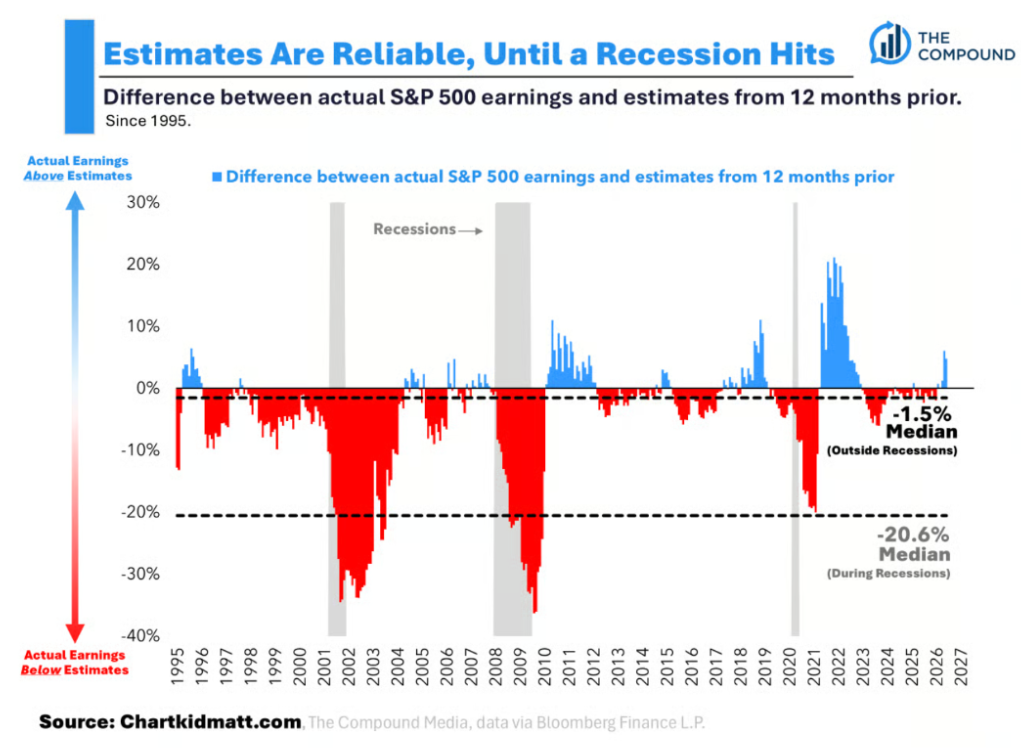
The episode’s reading list included A Wealth of Common Sense’s “10 Reasons to be Bearish” and Chart Kid Matt’s “Is There An Earnings Bubble?” Those topics point to a core issue for stock investors: whether company profits can keep supporting prices after a long rally. Earnings are profits reported by public companies, and they matter because stock valuations often depend on how much investors are willing to pay for each dollar of those profits.
The show also linked to a Bloomberg story with the headline that Nvidia’s $1 trillion slide had pushed its valuation back to levels seen before the AI boom. Nvidia has been one of the defining stocks of the artificial intelligence trade, so a reset in its valuation can affect investor sentiment well beyond one company.
Another linked item, from Carson Group, argued that the AI wave is showing up even in small-cap stocks. Small caps are companies with smaller market values than the giants in the S&P 500, and broader AI participation would matter because it suggests the theme is not limited to the largest technology firms.
Breadth signals looked stronger
Several market posts highlighted in the show notes pointed to improving participation across the market. Alfonso De Pablos, CMT, wrote on X that the S&P 500 excluding technology ended the week at record highs. In a separate post, De Pablos said advance-decline lines for the S&P 500, S&P 400 and S&P 600 had all reached new highs. An advance-decline line tracks how many stocks are rising versus falling, making it a common measure of market breadth.
Mike Zaccardi, CFA and CMT, cited Goldman Sachs as saying the momentum factor had suffered one of its largest three-week sell-offs on record. Momentum refers to stocks that have recently performed well continuing to attract buyers. A sharp reversal in that group can signal a change in leadership, even if major indexes look calm.
Stocks as household wealth
Joe Weisenthal of Bloomberg’s Odd Lots highlighted a chart showing U.S. household equity exposure at a record high and said the stock market now represents a much larger share of total household net worth than real estate. Eric Balchunas of Bloomberg wrote that he had published a note arguing the U.S. stock market has become “too big and too imp to fail,” describing it as America’s retirement fund.
The episode was sponsored by Nuveen, according to A Wealth of Common Sense. Its recommendations section also listed several movies, shows and books, while the market discussion centered on whether today’s stock market strength is narrow, broad, fragile or increasingly tied to the financial lives of ordinary households.
This story draws on original reporting from A Wealth of Common Sense.