AI stock rotation overshadows early earnings strength
Investors shifted out of several chip names and into big cloud platforms, even as bank earnings and inflation data offered support to the market.
By Dev Ramirez · Crypto Correspondent
· 4 min read
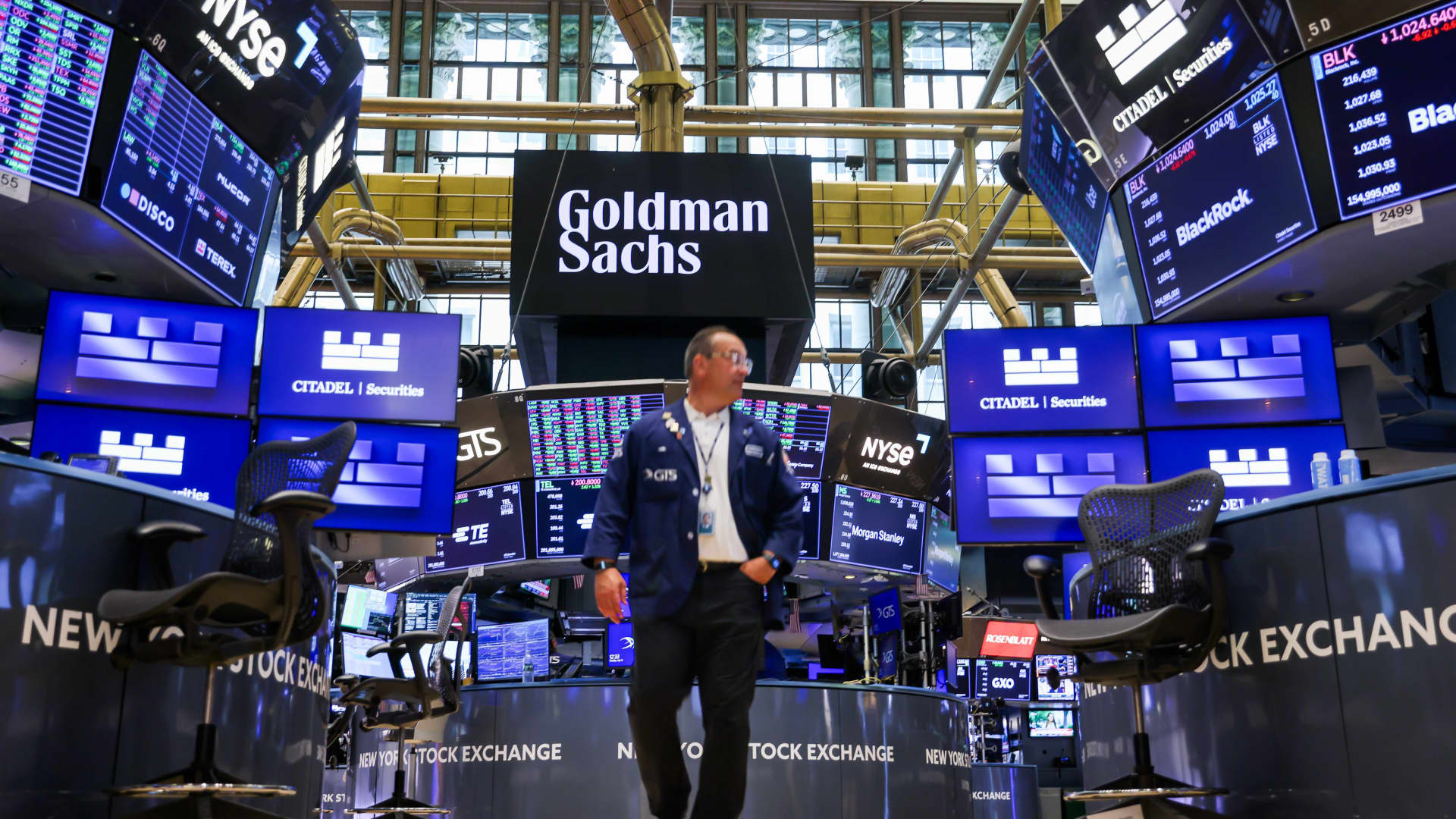
AI stocks set the market’s tone again last week, with investors moving away from several semiconductor names and toward the biggest cloud and consumer-tech companies. For everyday investors, the move showed how quickly leadership can change inside a popular theme, even when earnings season starts with solid results.
A rotation means money is shifting from one group of stocks to another. In this case, CNBC reported that investors sold parts of the AI infrastructure trade, including chip and memory names, and favored hyperscalers, the large cloud platforms that buy enormous amounts of computing power to run AI services.
The broader market still ended lower. CNBC reported that the S&P 500 fell nearly 1.6% for the week, while the Nasdaq Composite, which is more heavily weighted toward technology shares, lost almost 3%.
Chip stocks lost momentum
The pressure began after SK Hynix’s U.S. debut on Friday, July 10, according to CNBC. The South Korean memory company fell 9% the following Monday, and the weakness spread across AI infrastructure stocks. Sandisk dropped 12%, Intel lost 6%, and AMD declined 4% to start the week.
Positive updates from major suppliers did not fully change the tone. CNBC reported that ASML raised its full-year sales outlook for the second time this year, while Taiwan Semiconductor increased its capital spending forecast. Investors still focused on the rising cost of the AI buildout and whether semiconductor stocks had advanced too far too fast.
The VanEck Semiconductor ETF, known by its ticker SMH, fell nearly 9% for the week, CNBC reported. That marked its third weekly decline in four weeks.
Chinese startup Moonshot AI also added to the cautious mood after it introduced a new model Friday that it said narrowed the gap with leading U.S. products, according to CNBC.
IBM warning shifted attention
IBM added another layer to the week’s AI debate. CNBC reported that the company pre-announced weaker-than-expected second-quarter results Tuesday, sending its shares down 25% in their worst day on record. The stock finished the week down more than 26%.
IBM CEO Arvind Krishna attributed the softness to customers directing more technology spending toward cybersecurity, hardware and AI tokens, according to CNBC. Tokens are the units of text or data that AI systems process. That shift left less room for traditional software and consulting work and pushed some large deals into later quarters.
Stocks seen as beneficiaries of that spending shift rose. CNBC reported that CrowdStrike gained about 12% Tuesday, while Palo Alto Networks rose roughly 7%. Dell and Micron also advanced. Traditional software names were weaker that day, with Salesforce down 2% and ServiceNow off nearly 6%, according to CNBC.
Big tech drew money back
Some of the money moved back into large technology platforms. Alphabet rose 3% Wednesday after Warren Buffett told CNBC’s Becky Quick that he personally approved Berkshire Hathaway’s investment in the company. CNBC said the disclosure helped reduce concern that Buffett was uneasy about Alphabet’s AI spending and related debt financing.
Alphabet later gave back those gains after Bloomberg reported that Google was months behind in delivering its latest Gemini AI model. CNBC reported that Alphabet shares lost almost 3% for the week.
Apple climbed to record highs after receiving approval to bring Apple Intelligence to China, CNBC reported. CNBC also confirmed that Apple will use Alibaba’s AI models to power the features on Chinese devices. Apple, Amazon and Microsoft all finished the week higher despite a late-week pullback in much of Big Tech.
Banks and inflation data offered support
The early earnings picture was stronger outside tech. CNBC reported that five of the six largest U.S. banks posted results Tuesday, with Goldman Sachs leading the group on strength in investment banking and trading. Goldman shares closed at a record high Tuesday and ended the week up nearly 1%.
Wells Fargo beat earnings and revenue expectations, according to CNBC, though shares initially fell as investors focused on weaker net interest income, the difference between what a bank earns on loans and pays on deposits. The stock recovered later and ended the week up 0.4%.
Cooler-than-expected June readings on consumer and producer prices also suggested inflation was easing, CNBC reported. Oil remained a risk after renewed U.S.-Iran airstrikes added uncertainty around the Strait of Hormuz. West Texas Intermediate crude rose 15.5% last week to above $82 a barrel, while Brent crude gained nearly 16% to just above $88, according to CNBC.
This story draws on original reporting from CNBC.