Moonshot AI’s Kimi K3 puts China’s open AI race back on Wall Street’s radar
Moonshot AI says its new Kimi K3 model is competitive with top AI systems, stirring market nerves and a policy fight over open Chinese models.
By Jordan Bell · Startups & Deals Reporter
· 4 min read

Moonshot AI’s new Kimi K3 model has pushed China’s AI progress back into the market conversation, and investors reacted by selling some chip stocks. The Nasdaq fell about 1% on Friday, according to The New York Times, as concern over Chinese competition hit companies including Nvidia.
Moonshot, a Chinese AI company, said Kimi K3 remains behind the strongest proprietary models, naming Claude Fable 5 and GPT 5.6 Sol, but said the model showed “frontier-level performance” in its own tests and beat other models it evaluated. In AI, “frontier” usually means systems near the top of the market on capability, the kind of models that shape expectations for compute demand, data center spending and chip sales.
Independent reviews cited by TechCrunch from Arena.ai and Vals AI also indicated that Kimi is competitive with leading frontier models. The model’s release came during the same week that Chinese President Xi Jinping spoke at the World AI Conference in Shanghai, according to The New York Times.
Why investors are watching
The market reaction reflects a basic question for AI investors: if powerful open models from China can compete with closed systems from U.S. companies, the economics of the AI boom may look different. Open source AI generally refers to models whose code, weights or related materials are made available for others to use or build on. Model weights are the numerical settings that store what an AI system learned during training.
The Kimi debate follows a similar round of concern after DeepSeek, another Chinese company, released its open source R1 model in January 2025. TechCrunch reported that the newest discussion is unfolding against a tenser backdrop, including the Trump administration’s tariff fight with China, disputes over AI and national security, and expectations that large AI companies are preparing public listings.
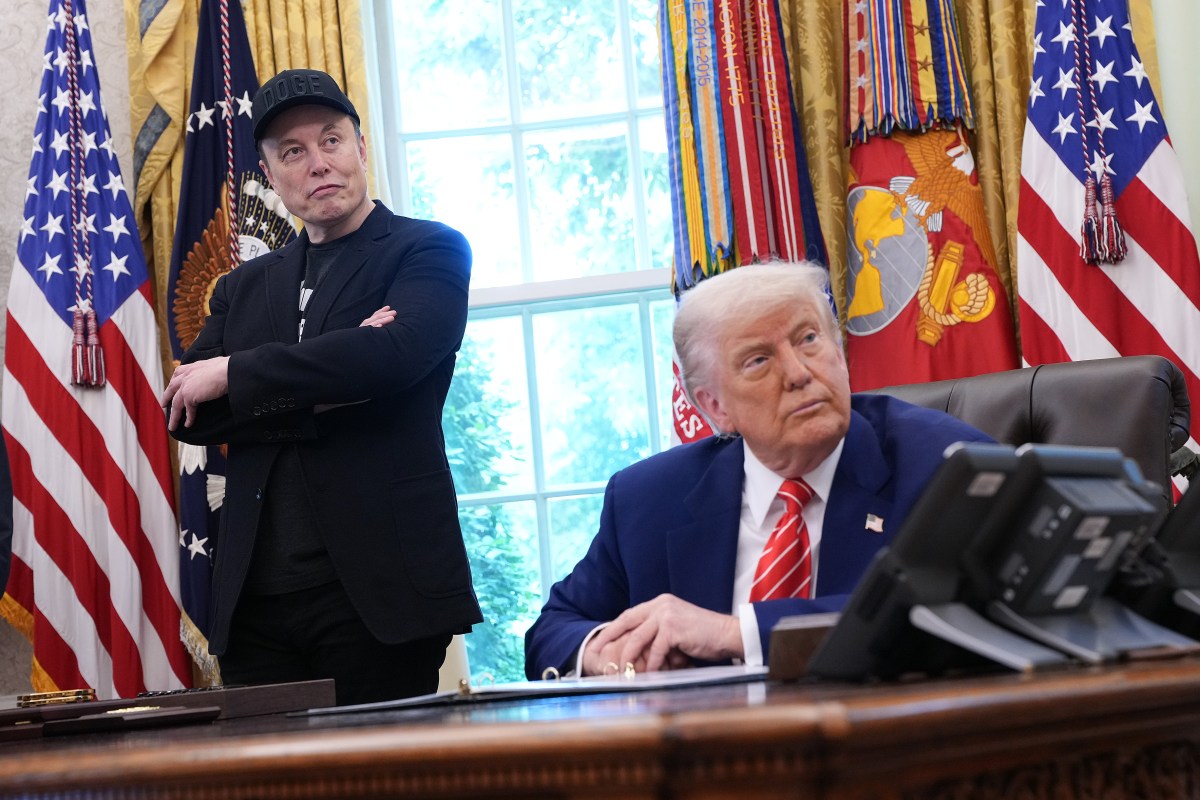
David Sacks, the Trump administration’s former AI czar and now co-chair of the President’s Council of Advisors on Science and Technology, used Kimi’s progress to criticize U.S. restrictions. In posts on X cited by TechCrunch, Sacks said the U.S. is “tying itself in knots” through limits on new data centers, state rules and proposals for federal pre-approval of frontier models. He wrote, “This is how you lose the AI race.”
The policy fight over open models
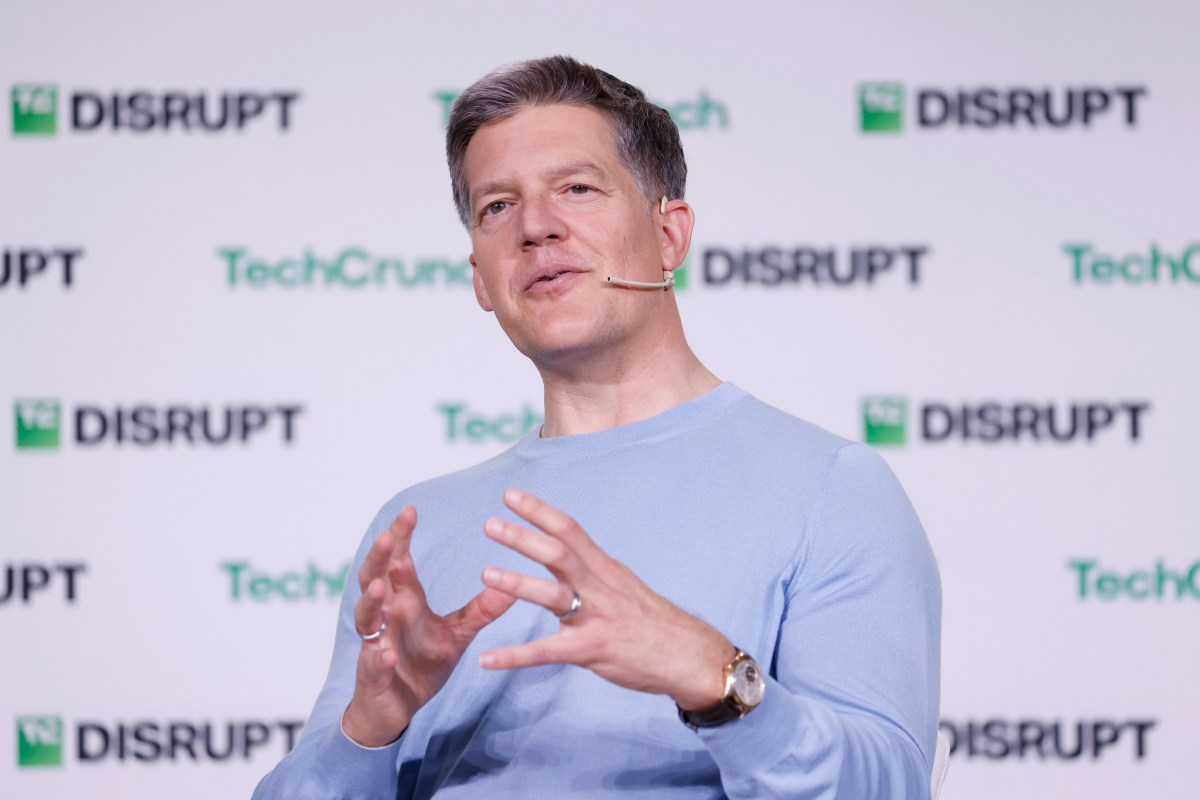
Former Uber CEO Travis Kalanick raised another concern: distillation. Distillation means training one AI model on the outputs of another model, which can help a newer or smaller system copy some behavior from a stronger one. Kalanick wrote on X that if rules against distillation are not enforced, “everyone should be able to distill from everyone else,” according to TechCrunch. TechCrunch also noted that U.S. models have been built using Chinese models, including Kimi.
Dean Ball, OpenAI’s head of strategic futures, took a different view. In posts on X cited by TechCrunch, Ball called Kimi “a very good model” and said its performance probably cannot be dismissed as distillation. He said he was surprised China still allows open sourcing of models this capable because of potential risks.
Ball argued that a world dominated by open-weight models could push AI toward treatment as a state-provided public good, a future he described as “full AI communism” and “a dystopian hellscape.” He also said the Trump administration may eventually try to create regulatory risk around the use of open-weight Chinese models, including through agency guidance that raises fear, uncertainty and doubt among regulated companies.
Shakeel Hashim, editor of the AI publication Transformer, argued the alarm is overstated. Hashim wrote that Kimi likely lacks dangerous cyber capabilities and that China would face similar incentives to restrict open models if those capabilities emerge.
For retail investors, the takeaway is that AI competition is no longer just about which company has the best chatbot. It is also about chip demand, open model economics, U.S.-China policy and how quickly private AI leaders may need to defend their valuations in public markets.
This story draws on original reporting from TechCrunch.