Fanatics draws the line at ticketing and sports broadcasting
CEO Michael Rubin says Fanatics sees more room to grow, but ticketing and live sports media are off the table.
By Maya Okafor · Markets Writer
· 3 min read
Fanatics is still adding pieces to its sports business, but CEO Michael Rubin said ticketing and live sports broadcasting are not part of the plan. For investors watching the private sports company as a potential public-market candidate someday, the comments show where Rubin thinks Fanatics can grow without chasing every dollar in sports.
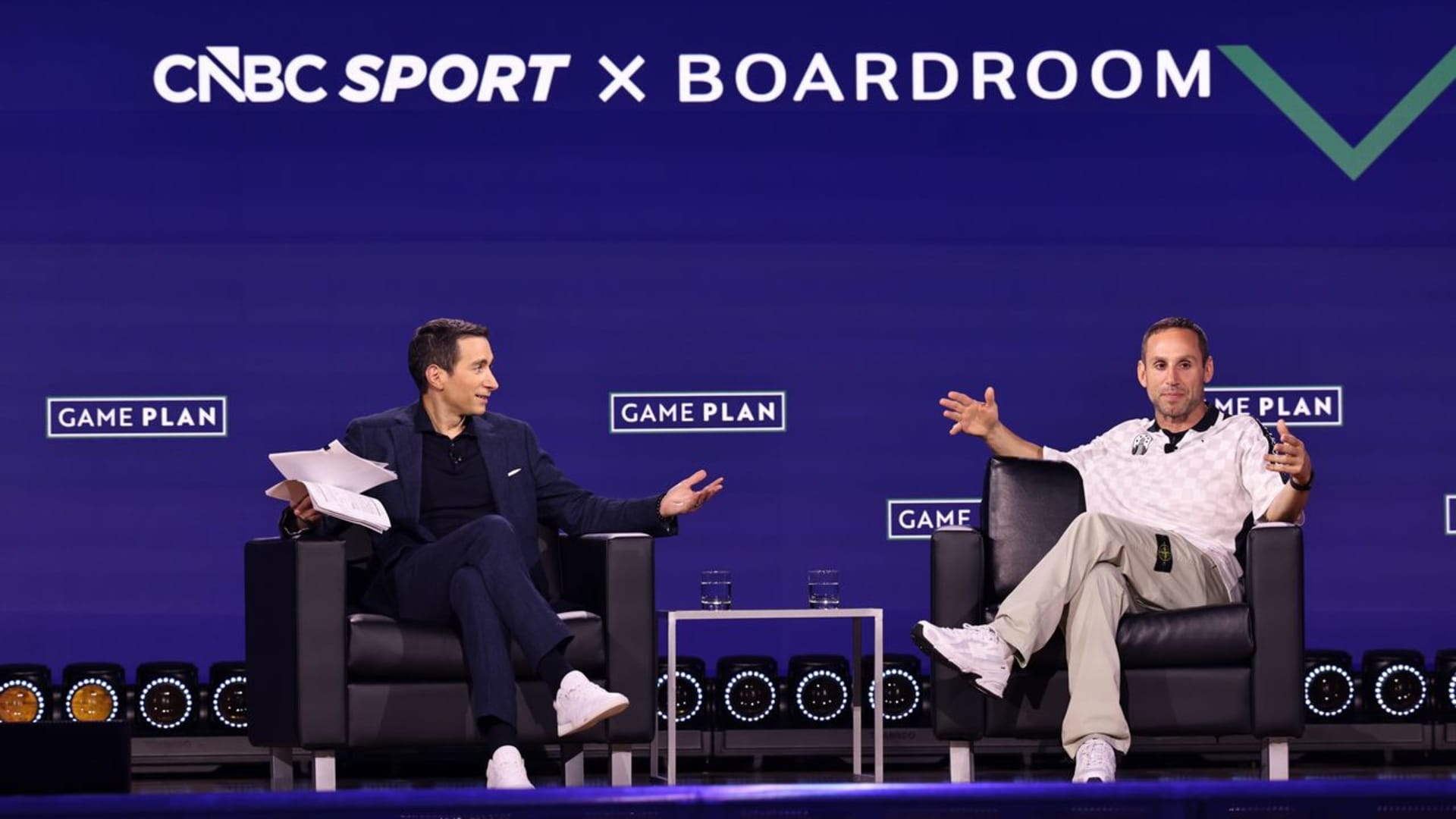
Speaking with CNBC’s Andrew Ross Sorkin at the CNBC Sport x Boardroom Game Plan Summit in New York City, Rubin described Fanatics as a platform built around sports fans rather than a company tied to one product line. Its main revenue areas are merchandise, collectibles, and betting and gaming, according to CNBC.
Rubin said Fanatics has more than 150 million customers across its businesses, including people who buy jerseys, trade cards, or place bets. He also said the company expected more than 200,000 people to attend Fanatics Fest over its four-day run. The event, now in its third year, is Fanatics’ attempt to build a sports-focused fan gathering similar in concept to Comic Con, CNBC reported.
Where Fanatics is growing
Rubin founded Fanatics in 2011, and the company has grown from an online seller of sports apparel into a broader sports commerce business. CNBC reported that Fanatics has deals with nearly every major league and has expanded into collectibles, sports betting, prediction markets, and a branded credit card planned for this year.
Rubin said in a May CNBC appearance that Fanatics would approach $14 billion in revenue this year. CNBC previously reported that the company generated about $8 billion in revenue in 2024.
The company last raised public funding in December 2022, when a $700 million round valued Fanatics at $31 billion, according to CNBC. Fanatics has appeared on CNBC’s Disruptor 50 list three times. The company has been discussed as a possible IPO candidate in recent years, though Rubin said on CNBC last year that there was “no rush” to take it public.
At the summit, Rubin said Fanatics could add new lines of business by using its relationships with customers, leagues, teams, and athletes. He declined to name the areas under consideration, but said he expects that in 10 years Fanatics could have several businesses as significant as its current three core segments.
Why ticketing is off the list
Rubin was direct about ticketing. He called it difficult and crowded, and said the teams and artists who provide the content keep the money, which he said is appropriate. For Fanatics, that makes the business unattractive, even though he acknowledged it could generate billions of dollars a year.
“That’s a business we’re never going to get into,” Rubin told Sorkin, according to CNBC.
He also ruled out becoming a live sports broadcaster. Rubin said many large companies already compete in sports media and that Fanatics would rather “get the popcorn out and watch.”
Broadcasting rights are the contracts that allow a company to show games to viewers. They can be expensive because leagues and teams sell access to live sports, one of the few types of programming that still draws large real-time audiences. Rubin’s comments suggest Fanatics sees better returns in businesses where it can own more of the fan relationship.
The jersey backlash changed the filter
Rubin said two jersey controversies shaped Fanatics’ current approach. He pointed to criticism from hockey fans after Fanatics said it would make NHL on-ice jerseys starting with the 2024-25 season. He also cited the 2024 backlash over new MLB uniforms produced by Fanatics with Nike after a Nike redesign drew complaints about the look and quality.
Rubin said the criticism forced Fanatics to define its purpose as “to relentlessly enhance the fan experience.” He said Fanatics now passes on revenue if a business does not fit that standard.
“We don’t want to be big; we want to be beloved,” Rubin said, according to CNBC.
This story draws on original reporting from CNBC.


