Amazon’s Zoox recalls robotaxi software after smoke incident
Zoox is updating 105 robotaxis after one entered a smoky Las Vegas fire scene, adding pressure on autonomous vehicle firms over emergency response.
By Jordan Bell · Startups & Deals Reporter
· 3 min read
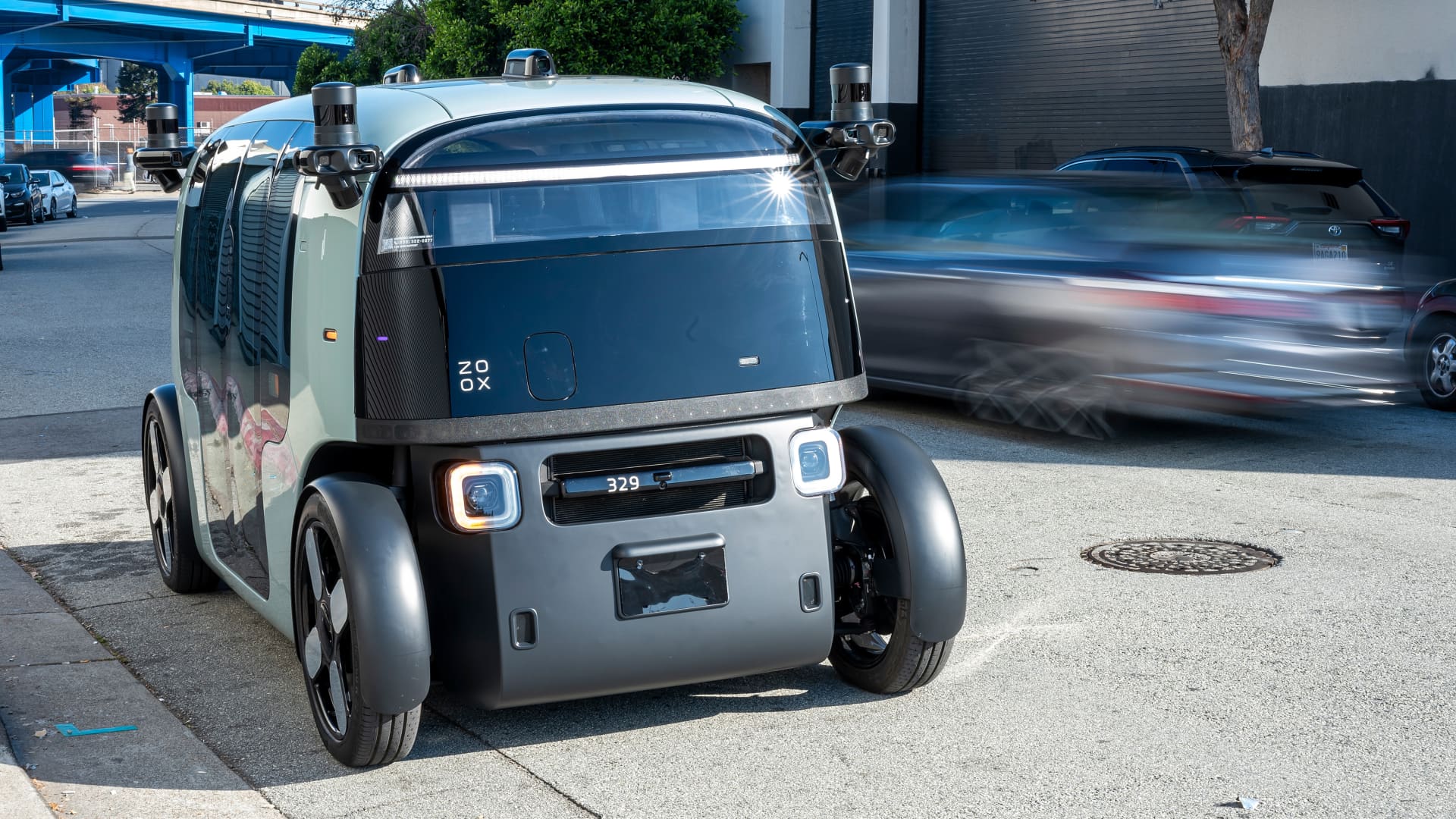
Amazon-owned Zoox has voluntarily recalled software in 105 robotaxis after one of its driverless vehicles failed to properly detect heavy smoke and entered an active fire scene in Las Vegas. For Amazon investors, the recall is a reminder that robotaxi growth depends as much on safety systems and regulators as it does on demand for rides.
Zoox told the National Highway Traffic Safety Administration on July 8 that it had found a software issue tied to how its vehicles respond to dense smoke, according to the company’s recall report. A software recall in this case means the company is fixing code in the vehicle’s automated driving system, rather than replacing a physical part.
The incident happened June 20, Zoox said in the report. An unoccupied robotaxi came across heavy smoke that blocked visibility around an emergency fire scene that had not been marked off with traffic cones. The vehicle drove into the area, then braked sharply while trying to steer away before stopping, according to Zoox.
A Zoox teleguidance employee then directed the vehicle to reverse, the company said. First responders later placed cones to close off the scene. Zoox said it found no injuries and determined the Las Vegas event was the only incident of that kind.
Why regulators are watching emergency scenes
The recall lands during a broader federal push on autonomous vehicles and first responders. NHTSA Administrator Jonathan Morrison sent a letter last week directing automated-vehicle developers to address cases where driverless vehicles interfere with police, fire and medical crews.
Morrison wrote that NHTSA had identified “a clear pattern of driverless AVs interfering with law enforcement and other first responders.” He cited examples including vehicles entering emergency scenes, blocking ambulances or firefighters, and failing to properly respond to flashing lights, flares, smoke, fire and traffic cones.
The NHTSA letter did not name specific companies. Morrison asked autonomous-vehicle developers and operators to focus resources on the issue immediately and submit their solutions to the agency by the end of the month.
For robotaxi companies, emergency response is a core safety test. Human drivers are expected to recognize unusual hazards, follow instructions from responders and avoid scenes where visibility is poor. Autonomous vehicles, or AVs, must make those calls using sensors, software and remote support systems.
Zoox’s place in the robotaxi race
Amazon bought Zoox for $1.3 billion in 2020. Zoox builds electric robotaxis designed without a steering wheel or pedals, with four inward-facing seats that create a shuttle-style layout.
The company currently gives free rides in parts of Las Vegas and San Francisco, according to CNBC. It also lets select users hail robotaxis in small zones in Miami and Austin, Texas, while testing in six other U.S. cities.
Zoox has already issued several software recalls over the past year, including fixes related to lane crossings and how its vehicles predict the movement of other vehicles and pedestrians, CNBC reported.
The company is trying to close the gap with Alphabet’s Waymo, which CNBC described as the leading U.S. robotaxi operator with about 4,000 automated vehicles in the country. Waymo also recently recalled about 3,900 robotaxis after some vehicles entered closed freeway construction zones, increasing the risk of a crash, according to CNBC.
For Amazon, Zoox remains a long-term bet outside its core e-commerce and cloud businesses. The latest recall does not change the company’s robotaxi ambitions, but it shows the technical and regulatory hurdles that still sit between testing programs and a broader commercial rollout.
This story draws on original reporting from CNBC.