California voters face billionaire tax with tech wealth on the line
A November ballot measure would tax California billionaires once at 5%, setting up a fight over health funding, migration and the state’s tax base.
By Jordan Bell · Startups & Deals Reporter
· 4 min read
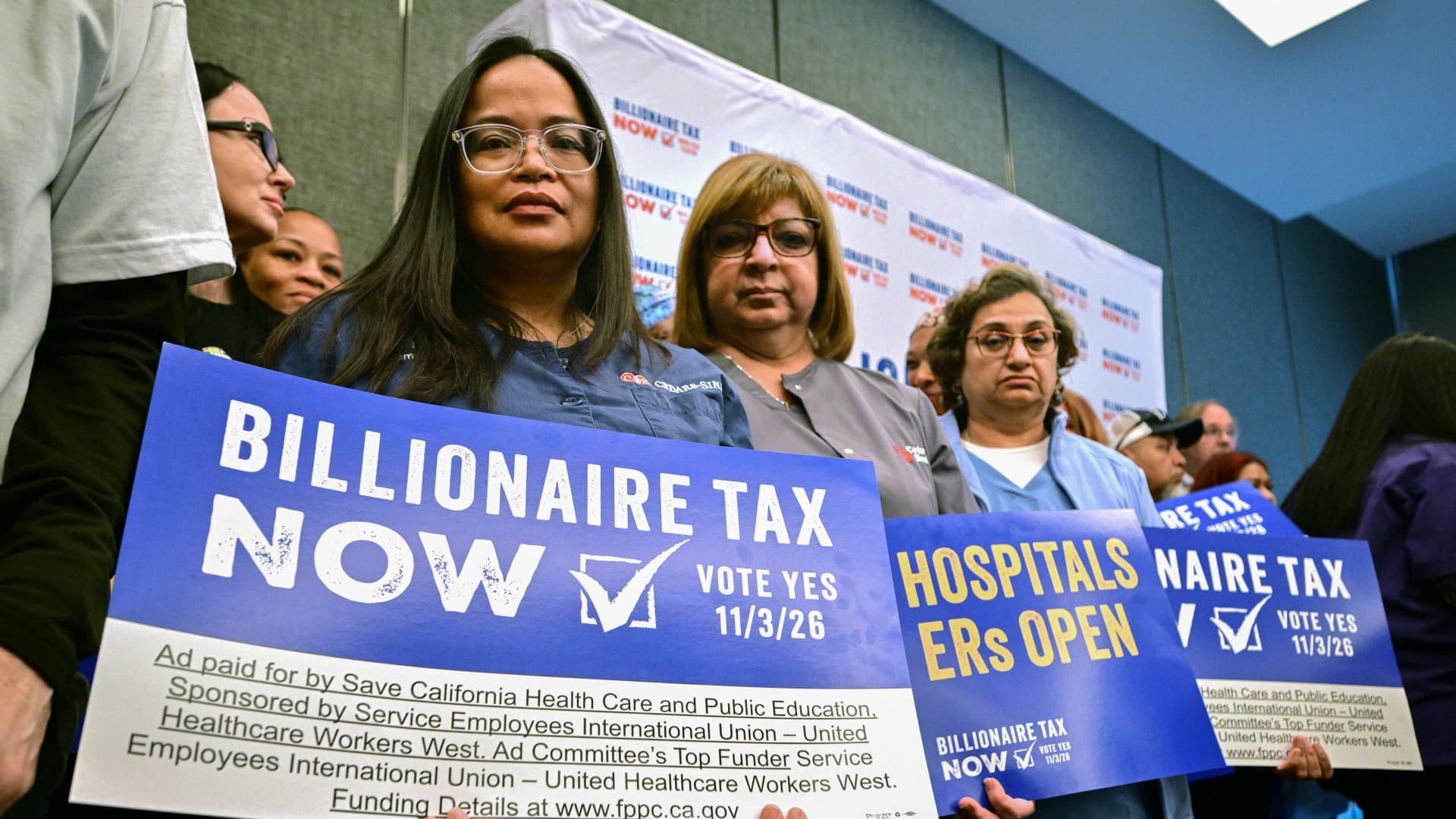
California voters will decide in November whether to place a one-time 5% tax on residents and trusts worth more than $1 billion. For investors, the fight is about more than politics: it could affect the country’s largest state economy, its tech-heavy billionaire class and future state revenue.
A wealth tax is different from an income tax. Instead of taxing what someone earns in a year, it targets net worth, meaning assets such as stock holdings, company stakes, real estate and trusts, after liabilities.
The proposal was drafted with help from University of Missouri law professor David Gamage for the Service Employees International Union, which led the signature drive to qualify it for the ballot, according to CNBC. Gamage told CNBC the measure is meant to offset health-care cuts tied to President Donald Trump’s “Big Beautiful Bill” and support California’s quality of life.
“California will, I think, more likely be better off if this is passed than not,” Gamage said, arguing that companies do well in places where workers want to live and public systems function.
Why state leaders are split
Gov. Gavin Newsom, a Democrat and possible 2028 presidential candidate, opposes the California-only approach. In a Substack post cited by CNBC, Newsom argued that a national wealth tax would make more sense because wealthy people can move to lower-tax states.
The state’s nonpartisan Legislative Analyst’s Office found that the measure would probably bring in “tens of billions of dollars” at first. The same analysis warned that if some billionaires leave California, the state could lose “hundreds of millions of dollars or more per year” in income-tax revenue they currently pay.
That is the central trade-off for the state budget. A large one-time payment could help fund services now, while departures by high-income taxpayers could reduce recurring revenue later.
California already has cost and business-climate challenges. CNBC’s 2026 America’s Top States for Business rankings placed California No. 17 overall, with weaker scores for cost of living, cost of doing business and business friendliness. CNBC also ranked the state No. 29 for quality of life, noting United Health Foundation data that placed California No. 48 for primary care providers per capita.
Tech names enter the fight
The measure has drawn attention because so much of California’s wealth is tied up in public and private technology companies. Google co-founder Sergey Brin has put tens of millions of dollars into Building a Better California, a nonprofit supporting a separate ballot measure that would undercut the billionaire tax, according to CNBC. Brin has also moved his primary residence to Nevada in case the tax passes, CNBC reported.
Nvidia CEO Jensen Huang has taken a different position. Huang, who CNBC said could owe nearly $8 billion if the tax is approved, said in January that he is “perfectly fine with it.” Businessman Tom Steyer, who ran unsuccessfully for governor in the June primary, also campaigned on taxing “billionaires like me.”
Some labor groups are opposed. The California Teachers Association said last month that the policy would not provide the “sustainable and long-lasting funding” schools and communities need.
Other places are watching
Supporters and critics are looking overseas for clues. Gamage pointed CNBC to Norway, which has had a wealth tax since 1892 and raised it sharply five years ago. He said some wealthy people left but argued the tax still raises substantial revenue.
Other data shows a more mixed picture. The World Bank said Norway’s economy grew 1.1% last year and was nearly flat in 2023. Civita, a center-right Norwegian think tank, reported that wealthy departures in 2022 and 2023 exceeded the total from 2014 through 2021, an increase of 518%. Norway later closed loopholes tied to its 37.8% exit tax, according to Reuters.
States and cities that have targeted wealthier residents, including Washington, Massachusetts and New York City, are likely to watch the California vote closely. The outcome will test how far voters are willing to go in taxing accumulated wealth, and how much mobility among billionaires can change the math.
This story draws on original reporting from CNBC.