Fed rate hike odds climb as oil shock complicates July decision
Market-implied chances of a July Fed hike rose after oil jumped on renewed U.S.-Iran tensions near the Strait of Hormuz.
By Theo Nakamura · Staff Writer
· 3 min read
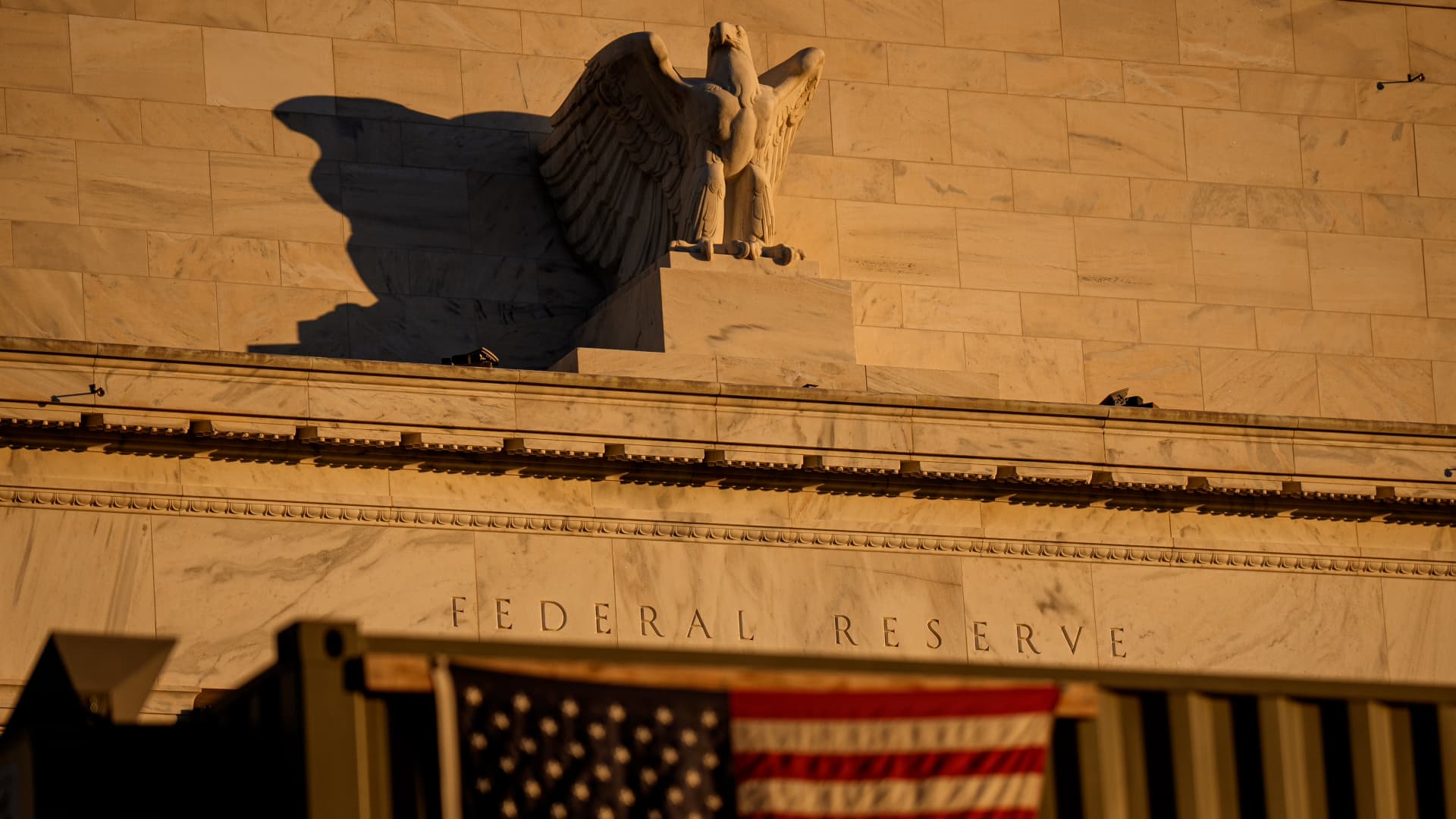
Investors are starting to price in a closer call at the Federal Reserve’s July meeting. A rate increase would affect everyday portfolios because higher interest rates can pressure stocks, raise borrowing costs and make cash-like investments more attractive.
The Fed is still expected by futures traders and prediction markets to leave rates unchanged on July 29, according to market data cited Monday. But the implied odds of a hike have moved sharply higher after oil prices rose on fresh developments in the conflict involving the U.S. and Iran.
CME’s FedWatch tool, which uses interest rate futures to estimate what traders expect from Fed policy, showed a 46.5% chance of a quarter-point rate increase at the July meeting. That was up from 34% on Sunday, according to CME data. A quarter point is 25 basis points, and one basis point equals one-hundredth of a percentage point.
Prediction market platform Kalshi also showed rising odds. Traders there put the chance of a July hike at 36%, compared with less than 20% on Sunday and below 10% earlier in the month, according to Kalshi data. Prediction markets reflect prices set by traders betting on specific outcomes, rather than official forecasts.
Oil is back in the inflation story
The move in rate expectations followed President Donald Trump’s announcement that he is reinstating a U.S. blockade of Iranian ports near the Strait of Hormuz and imposing a 20% toll on cargo moving through the passageway.
Oil prices rose in response. U.S. crude prices climbed more than 5% and moved above $75 a barrel, according to CNBC market data. West Texas Intermediate crude for August delivery was shown at $75.69, up $4.28, or 5.99%, at 1:02 p.m. ET.
Oil matters for the Fed because energy prices feed into inflation, the rate at which consumer prices rise. Higher crude prices can raise costs for gasoline, shipping and a range of goods that depend on transportation. If those costs stick, the Fed may feel more pressure to keep policy tight or raise rates again.
The Fed raises rates to cool inflation by making borrowing more expensive. That can slow spending and investment, which may reduce price pressure over time. The trade-off is that higher rates can also weigh on economic growth and risk assets such as stocks.
Inflation data is still coming
The jump in hike odds comes even though economists surveyed by Dow Jones expect June inflation to have cooled. The survey expects the Consumer Price Index to show prices rising 3.8% from a year earlier in June, down from 4.2% in May. The June CPI report is scheduled for Tuesday.
Federal Reserve Governor Christopher Waller also affected market pricing after saying the central bank should not repeat the mistakes of 2021 and 2022, when he said it waited too long to raise rates as inflation climbed. Waller also cautioned that the Fed should not overcorrect by raising rates too quickly.
Barclays global chairman of research Ajay Rajadhyaksha wrote Monday that inflation risks now go beyond energy. He said the effect of higher oil prices on broader prices has not fully played out, that demand has not fallen enough to offset elevated energy costs, and that AI-related price increases are worsening the inflation outlook.
“A data-dependent framework means you respond to inflation prints, as well as forecasts,” Rajadhyaksha wrote. “And the prints, for the next few months, are not going to look good.”
The Fed’s next interest rate decision is scheduled for July 29. CNBC disclosed that it has a commercial relationship with Kalshi, including customer acquisition and a minority investment.
This story draws on original reporting from CNBC.