Iran nuclear deal: Chris Wright says an agreement may not happen
Energy Secretary Chris Wright said the U.S. remains open to diplomacy with Iran but may rely on military and economic pressure if no deal emerges.
By Dev Ramirez · Crypto Correspondent
· 3 min read
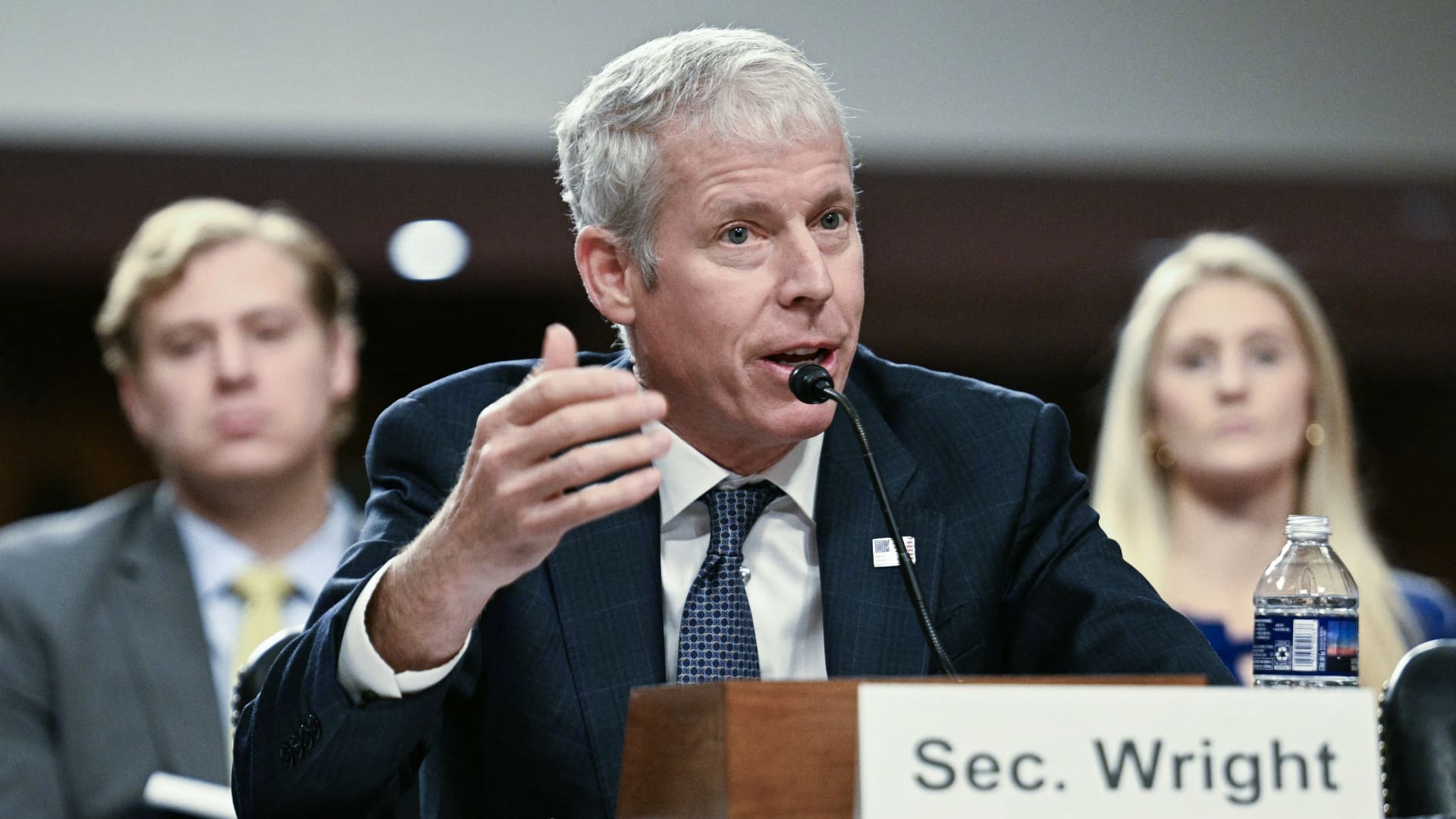
Energy Secretary Chris Wright said an Iran nuclear deal Chris Wright discussed on Sunday may not materialize, signaling that the Trump administration sees military pressure as a possible alternative to a negotiated agreement. For investors following oil and Middle East risk, Wright also said the U.S. military is working to restrict Iranian energy exports.
“There may not be a nuclear agreement. It may be simply destroying their capabilities to do it. An agreement may await a next administration in Iran. We simply don’t know that,” Wright said on ABC News’ This Week, according to ABC News.
His remarks do not declare diplomacy over. Wright later said President Donald Trump prefers a negotiated settlement rather than military action unless it is necessary, CNBC reported. The Guardian also reported that Wright said the U.S. remains open to an agreement.
What did Chris Wright say if no Iran nuclear deal is reached?
Wright described degrading Iran’s ability to develop and deliver nuclear weapons as a possible path if an agreement is not reached. Asked whether the U.S. would keep striking if Iran attempted to rebuild nuclear infrastructure, he said, “You have to destroy their capabilities to do it,” CNBC reported.
Wright said the United States was “degrading” Iran’s capacity to develop nuclear weapons and deliver them if developed. That is an assessment from the energy secretary, not an independently verified account of Iran’s capabilities.
A nuclear agreement in this context would be a negotiated arrangement intended to prevent Iran from acquiring a nuclear weapon. Wright’s comments present two stated approaches: pursuing a settlement, or using military action to limit the capabilities the U.S. says could support a weapons program.
Energy exports remain part of the U.S. approach
On CBS’ Face the Nation, Wright said the biggest current role for the U.S. military in the region was to stop exports of Iranian crude, crude-related products and natural gas, CNBC reported. He said the administration was applying economic pressure in an effort to prompt either a policy change by Iran’s current government or a new government.
ABC News separately reported that Wright said a U.S. blockade of Iranian ports would change either Iran’s government or its policies. Those statements describe the administration’s stated objective and approach, rather than a confirmed outcome.
Wright also told ABC that oil flow through the Strait of Hormuz averaged a little more than 9 million barrels a day over the prior seven days. He said pipelines bypassing the waterway through Saudi Arabia and the United Arab Emirates brought total regional outflow to roughly 13 million to 14 million barrels a day, according to ABC News.
The administration’s public position, based on Wright’s interviews, is therefore conditional: it says it still favors a negotiated outcome, while preparing to use military and economic tools if one does not emerge.
This story draws on original reporting from CNBC.