Car buyers put price first in the West and technology first in China
Bain survey results show regional splits in car-shopping priorities, leaving automakers to compete on price while improving features.
By Sofia Marchetti · Columnist
· 3 min read
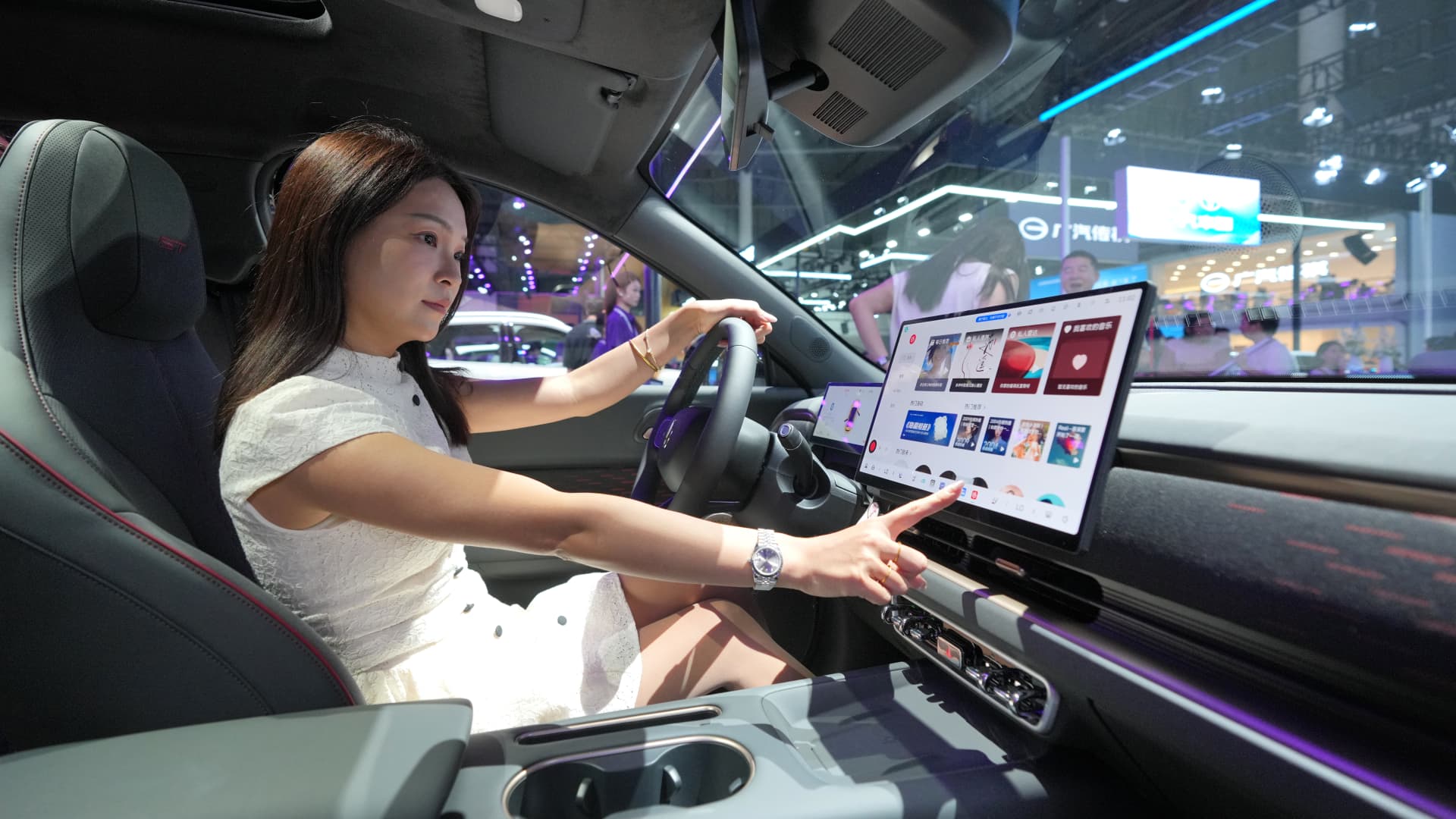
Car buyers price technology priorities now differ sharply by region, according to Bain & Company survey findings reported by CNBC. For investors following automakers, the result is a product challenge: keep the sticker price competitive while offering the features shoppers increasingly expect.
In the United States and Europe, price was the leading purchase consideration, cited by 68% and 62% of respondents, respectively, Bain found. In China, technology and features ranked ahead of price and were a leading consideration for 58% of consumers.
Those results do not show that Chinese buyers are unconcerned about affordability. Klaus Stricker, who leads Bain’s global automotive and mobility practice, told CNBC that intense competition at home has made a competitive price a basic requirement for getting onto a shopper’s list. Carmakers then use technology and vehicle features to distinguish similar offerings.
Why do car buyers want lower prices and better technology?
The survey suggests price can determine whether a car is considered, while features can shape the choice among competing vehicles. That tension is particularly clear in the U.S., where the average new-vehicle transaction price reached $49,275 in March 2026, according to Cox Automotive data reported by CNBC.
CNBC also reported that shoppers have increasingly turned to less expensive models and base trims, versions sold with fewer standard extras, as vehicle prices climbed. That makes it harder for manufacturers to assume that buyers will pay a large additional amount for every new feature.
Stricker told CNBC that mass-market customers often expect advanced driving technology to come with the vehicle rather than carry a substantial premium. Bain’s conclusion, as reported by CNBC, is that established Western manufacturers need stronger technology offerings, while newer Chinese manufacturers need to build brand standing. Both face pressure to remain price-competitive.
What technology should shoppers compare?
“Technology” covers much more than a screen or infotainment system. It can include safety and driving-assistance functions such as forward-collision warning, automatic emergency braking, blind-spot warning, adaptive cruise control and lane-keeping assistance. The National Highway Traffic Safety Administration says these features may warn a driver of risk or, in some cases, take action to help avoid a crash.
Buyers should check the specific capability of each system, rather than rely on marketing labels. NHTSA says even the highest level of driving automation available to consumers still requires the driver’s full engagement and undivided attention. Its driver-assistance guide also advises consumers to review the owner’s manual to understand how a vehicle’s technology works.
The pattern extends beyond China. In India, technology and features ranked ahead of brand, service and price in Bain’s survey, The Economic Times reported. That study drew on an online survey of more than 12,000 automotive consumers globally during the first quarter of 2026.
These are stated preferences in a survey, not a measure of completed purchases or what consumers will ultimately pay. Still, the regional split shows why a lower advertised price alone may not settle a car buyer’s decision, and why a longer feature list may not overcome an unaffordable one.
This story draws on original reporting from CNBC.