Jim Cramer trims AI exposure as financing fears pressure the trade
Jim Cramer’s charitable trust reduced parts of its AI exposure as CoreWeave debt worries and Meta funding questions rattled the sector.
By Maya Okafor · Markets Writer
· 3 min read
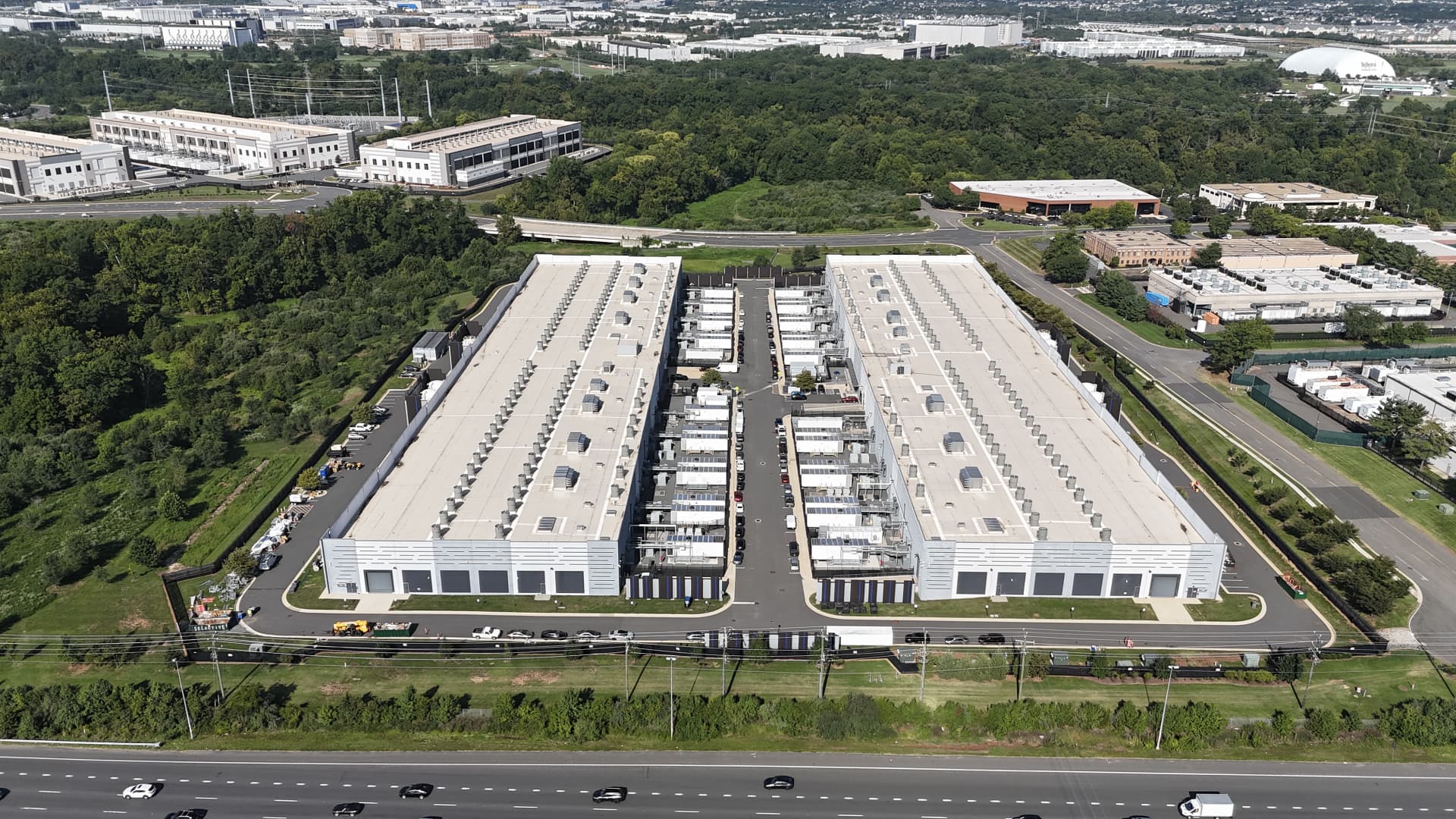
The Jim Cramer AI trade view has turned more cautious: Cramer’s charitable trust reduced its broader exposure to AI-linked stocks as investors questioned how the infrastructure buildout will be funded. CNBC reported that these financing concerns drove volatility during the week, even as demand for AI computing remained part of the investment case.
For everyday investors, the distinction is important. Strong interest in AI services does not settle whether every company connected to the expansion can finance its plans on workable terms. Cramer’s position, expressed in CNBC commentary, is not that AI will disappear. It is that debt, funding availability and higher borrowing costs could keep pressuring parts of the trade.
Why are AI financing fears focused on CoreWeave?
CoreWeave, a cloud provider that rents computing capacity using Nvidia processors, has become a focal point. Reuters reported on Oct. 15 that the company had about $50 billion of debt. Its April-issued bonds yielded about 15% and traded at 79.15 cents on the dollar that day, while the cost of insuring its debt against default had climbed to roughly 1,000 basis points.
Reuters said the market concern centered on debt-funded AI infrastructure, rather than a confirmed sudden drop in appetite for AI computing. The report quoted IG Group analyst Axel Rudolph, who said investors were questioning how the buildout was financed and warned that a rising cost of capital could challenge heavily indebted companies.
Cramer’s Oct. 25 commentary described the vendor-financing and neocloud portion of the AI ecosystem as a perceived weak link. He later pointed to CoreWeave’s falling stock and high-yield debt as a trigger for broader concern. That is Cramer’s market interpretation, not a conclusion that demand has collapsed.
There is counterevidence on access to funding. CoreWeave said in August that it closed a $2.6 billion delayed-draw loan facility to support its AI cloud platform and committed customer deployments. The company said the loan has an approximate five-year maturity, while the customer contracts supporting it average about three years. CoreWeave characterized the transaction as a sign of lender confidence and said shorter contracts could bring higher margins, claims that have not been independently established in the company’s announcement.
What does Meta’s funding disclosure add to the debate?
CNBC reported that Meta disclosed long-term plans that could require it to raise hundreds of billions of dollars over several years, beginning as early as fall 2026. The disclosure, alongside Meta’s reported negative free cash flow, overshadowed otherwise strong earnings in CNBC’s account of the week.
CNBC also quoted Nvidia Chief Executive Jensen Huang as saying that demand for capital exceeded the available capital. Cramer’s commentary named higher rates and oil prices as additional risks for capital-intensive AI infrastructure.
What did Cramer’s trust actually do?
The trust’s response was selective rather than an exit from the theme. CNBC reported it bought 10 shares of GE Vernova, citing confidence in long-term power demand, while reducing broader AI exposure. It also exited Broadcom and trimmed CrowdStrike. The trust kept its hold-equivalent rating on Meta while seeking more clarity on its funding and monetization plans.
Those moves describe the trust’s disclosed portfolio actions, not a universal playbook. Investors following the story can watch four issues: the availability and cost of capital, funding plans and free-cash-flow disclosures at major AI buyers, the gap between customer-contract lengths and debt maturities at infrastructure providers, and whether AI demand turns into durable revenue.
This story draws on original reporting from CNBC.