LIV Golf Chapter 11 bankruptcy filing puts 2027 return plan to the test
LIV Golf filed for Chapter 11 in New Jersey, using PIF financing to pursue a proposed BC Partners-backed, player-owned relaunch.
By Jordan Bell · Startups & Deals Reporter
· 3 min read
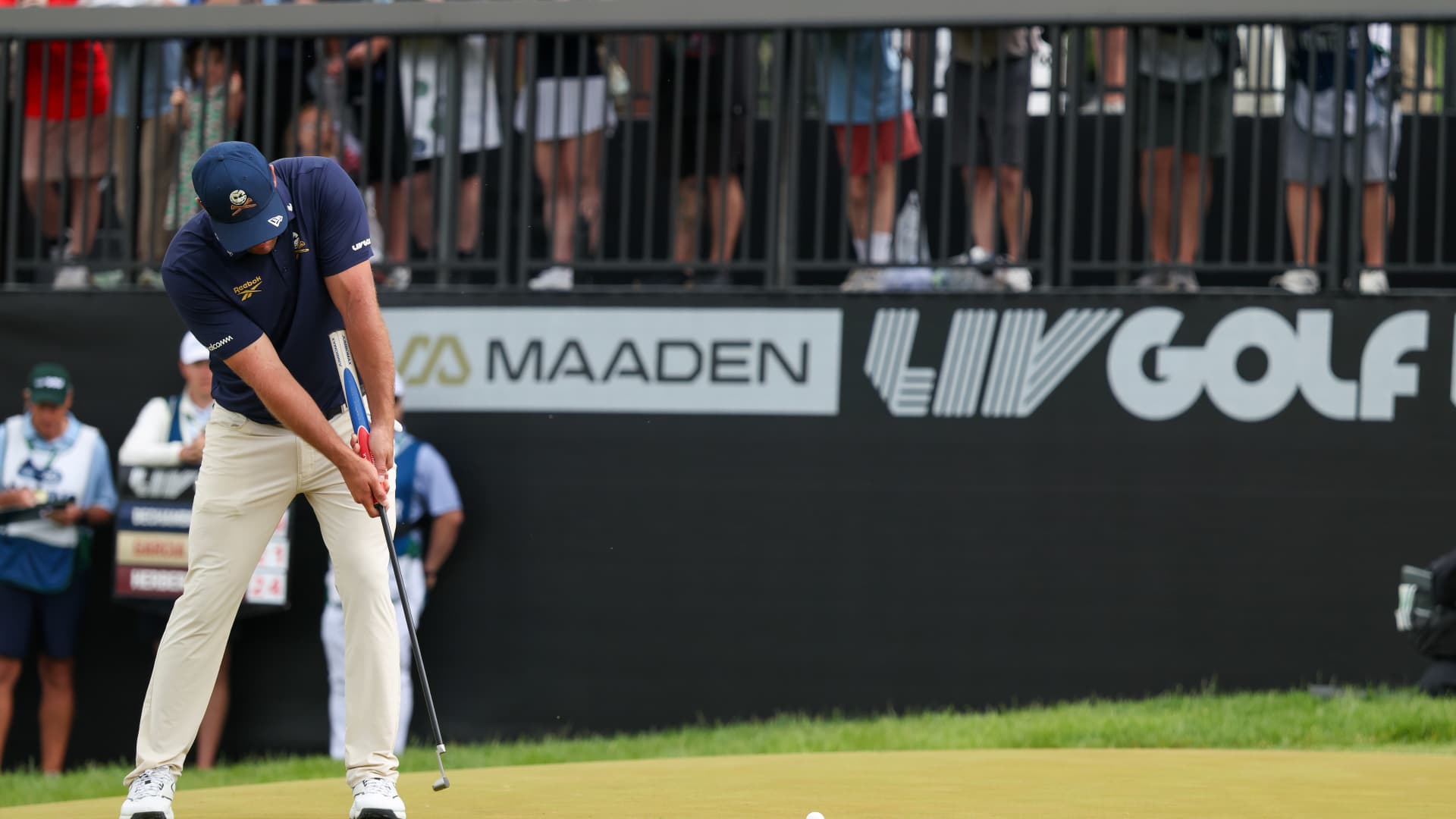
LIV Golf filed for Chapter 11 bankruptcy protection on Sept. 8, placing the breakaway golf league’s future under court supervision as it seeks new capital and a proposed return in 2027. For followers of the LIV Golf Chapter 11 bankruptcy, the filing is a completed legal step, while the player-owned relaunch being discussed remains a proposal rather than a settled outcome.
LIV Golf and related entities voluntarily filed in the U.S. Bankruptcy Court of New Jersey, according to court records reported by ESPN. The filing lists assets between $100 million and $500 million, alongside liabilities of $500 million to $1 billion, ESPN reported.
Those ranges show the scale of the financial challenge but do not establish one precise gap between what the league owns and what it owes.
What does LIV Golf’s Chapter 11 filing mean?
Chapter 11 is a U.S. bankruptcy process that puts creditor obligations on hold while a company works to reorganize its debts or sell pieces of its business, according to the BBC. It does not, by itself, mean the company has shut down or that its proposed restructuring will be approved.
LIV said it has a restructuring support agreement with BC Partners Advisors and intends to return to competition in 2027 with players expected to hold a majority ownership stake, ESPN reported. Golf Digest reported that the contemplated BC Partners financing and recapitalization transaction require court approval, and that questions remain about the structure and conditions of the financing.
A short-term funding bridge, not a final outcome
The Public Investment Fund, or PIF, will provide $49.6 million in debtor-in-possession financing during the bankruptcy case, The Athletic reported. Debtor-in-possession financing is funding supplied to a company operating in Chapter 11 so it can continue through the restructuring process.
That financing supports the court process. It is separate from a long-term commitment to finance LIV’s proposed new version. The BBC reported that PIF had withdrawn its multibillion-dollar backing, while Axios reported in April that the fund would end its support after the 2026 season.
What remains unclear for LIV players
The filing also puts the status of player agreements in focus. Court records list several prominent golfers among the 30 largest unsecured claims, ESPN reported, including Jon Rahm at $7.5 million, Bryson DeChambeau at $5.7 million, Dustin Johnson at $5.5 million and Cameron Smith at $4.8 million.
Reports indicate players may be released from existing arrangements or have the option not to join the proposed successor league. But the BBC said the timing of any ability to negotiate with other tours remains uncertain. LIV has said it is in advanced discussions with players, according to Axios.
The immediate facts are clear: LIV is in Chapter 11 and has financing to fund the case. Its ownership structure, roster and 2027 competition plans depend on negotiations and the bankruptcy process still ahead.
This story draws on original reporting from CNBC.