Sugar futures outperform S&P 500 as supply concerns build
Raw-sugar futures are up about 20% this year after an August surge, as weather risks, India’s imports and Brazil’s ethanol economics tighten supply.
By Jordan Bell · Startups & Deals Reporter
· 3 min read
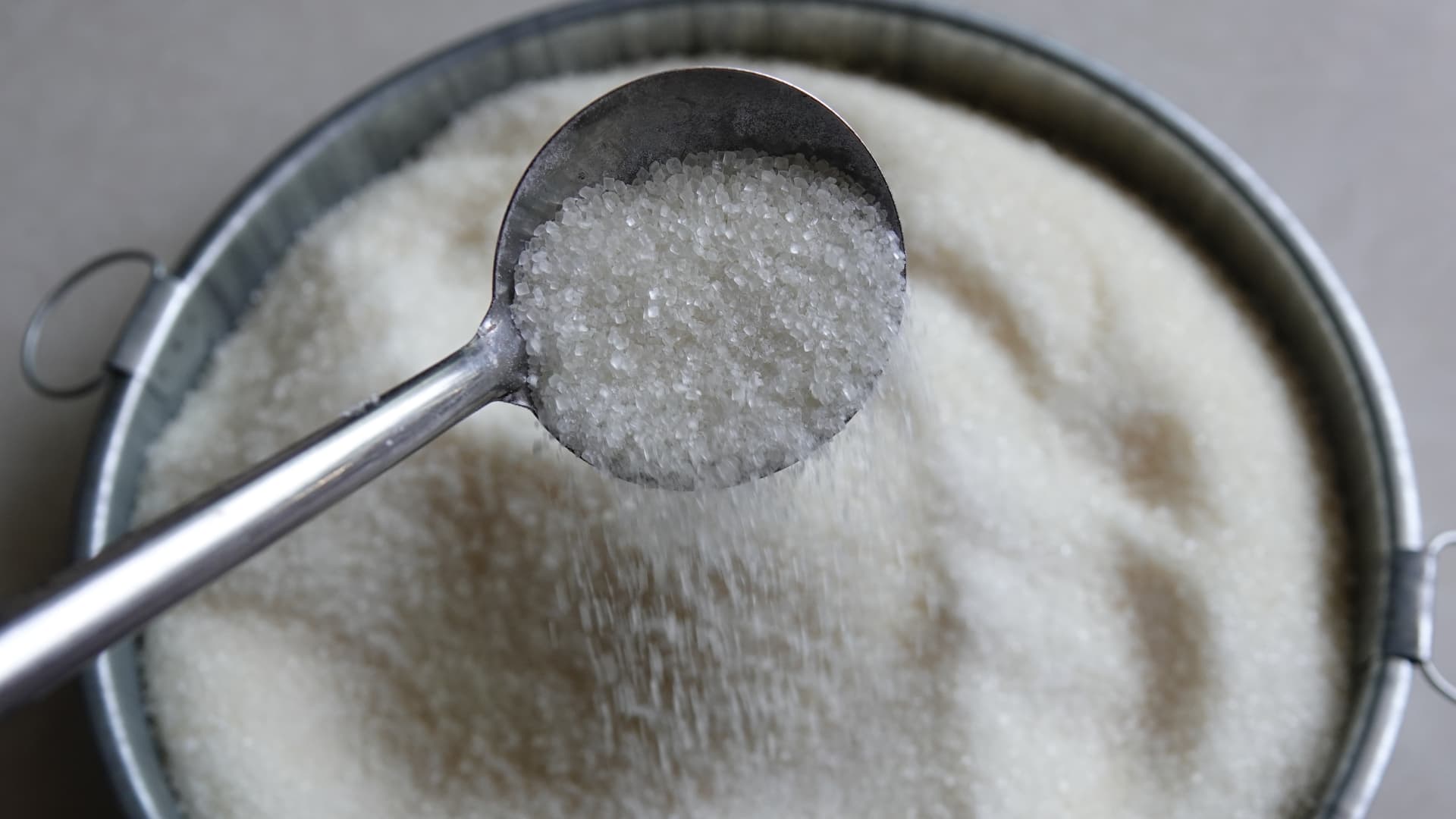
Sugar futures outperform S&P 500 so far in 2026, a result of growing concern over available global supplies rather than a move in sugar-company shares or supermarket prices. CNBC reported that raw-sugar futures had gained about 20% for the year through Sept. 6, compared with a nearly 13% rise for the S&P 500, after climbing 21.5% in August.
That August move was raw sugar’s strongest monthly gain since October 2010, CNBC reported. For investors, the comparison refers to the futures market, where contracts are used to price a commodity for future delivery. ICE Sugar No. 11, quoted in cents per pound, is the global benchmark contract for raw cane sugar, according to Intercontinental Exchange.
Why are sugar futures rising in 2026?
The immediate issue is weaker expected output in Europe. The U.N. Food and Agriculture Organization cited poor weather and lower expected sugar-beet yields in the European Union among the reasons for August’s price increase, CNBC reported. William Osnato, Barchart’s director of commodity data research and analysis, told CNBC that summer heat damage to European beets prompted organizations to reduce production forecasts.
The European Commission’s latest sugar balance sheet projects EU output of 13.4 million metric tons in the 2026-27 marketing year. That would be 19% below 16.6 million tons in 2025-26, according to CNBC’s account of the commission’s estimate.
Forecasts for the worldwide balance differ, but point in the same direction. Citi estimated a 1.3 million-metric-ton global deficit, while Green Pool Commodity Specialists estimated a 3.2 million-ton deficit, CNBC reported. Those figures are projections, not confirmed shortages.
Weather, ethanol and India are reshaping supply expectations
El Niño is the main forward-looking concern cited by Osnato. Brazil, India and Thailand account for roughly 70% of global sugar exports, according to CNBC. Goldman Sachs said drought in growing periods can curb cane yields, while excessive rain during harvesting can slow fieldwork and lower cane sugar content.
Brazil is especially important because it accounts for roughly half of world sugar exports, CNBC reported. Its mills can use sugarcane to make either sugar or ethanol. Rob Johansson of the American Sugar Alliance told CNBC that higher oil prices make biofuel production more attractive, potentially leaving less sugar for export. That is a market mechanism, not a certainty about how every mill will allocate cane.
India has added another demand-side pressure point. The government authorized 1 million metric tons of duty-free raw-sugar imports, saying the step would support domestic availability amid lower production, seasonal demand and higher prices, CNBC reported. India is restricting exports while entering the import market, which could reduce supply available to other buyers. Osnato told CNBC that even imports of about half the authorized volume would reinforce the view that supplies are tighter than previously thought.
What could change the sugar outlook?
Citi raised its three-month sugar target to 19 cents per pound, citing tighter inventories, India’s import program and worsening weather in India, Thailand and the EU. It is an analyst forecast, not a price outcome.
The cited upside and downside cases focus on crop conditions, Brazil’s harvest pace and India’s import execution. Osnato told CNBC that Brazilian output could recover if fields dry, making faster harvesting or stronger cane sugar content in Brazil key risks to the supply-tightening case.
This story draws on original reporting from CNBC.