Japan foreign reserves fall a record $79.6 billion after yen intervention
Japan’s reserves fell 6.18% to $1.208 trillion in August after record yen-support operations, underscoring the cost of defending the currency.
By Sofia Marchetti · Columnist
· 2 min read
Japan’s foreign reserves fell by a record $79.6 billion in August, a closely watched result of the government’s effort to support the yen. The Japan foreign reserves August data put the stockpile at $1.208 trillion at month-end, down 6.18% from $1.287 trillion in July, according to Finance Ministry figures reported by Reuters.
The monthly decline was the largest on record. For investors, the number shows the balance-sheet effect of Tokyo’s campaign against a weak yen, although the reserve fall does not by itself establish financial stress. Reuters reported that the decline was led by foreign securities, which are held largely in U.S. Treasuries and represent about 70% of Japan’s reserves.
Why did Japan’s foreign reserves fall in August?
Foreign-exchange reserves are the foreign-currency assets a country holds, including securities and cash. When authorities sell dollars and buy yen in currency markets, they use those foreign assets to purchase their own currency. That reduces reserve holdings. Changes in the market value of reserve securities can also affect the reported total.
Japan spent 15.4 trillion yen, or $98.66 billion, on intervention from July 30 through Aug. 26, Reuters reported, its largest intervention operation for a single month on record. The Finance Ministry did not specify a cause for the August reserve decline in the account reported by CNBC. But a ministry official cited by Kyodo News attributed the move to yen-support purchases and lower government-bond values after yields rose, CNBC reported.
What did the intervention do to the yen?
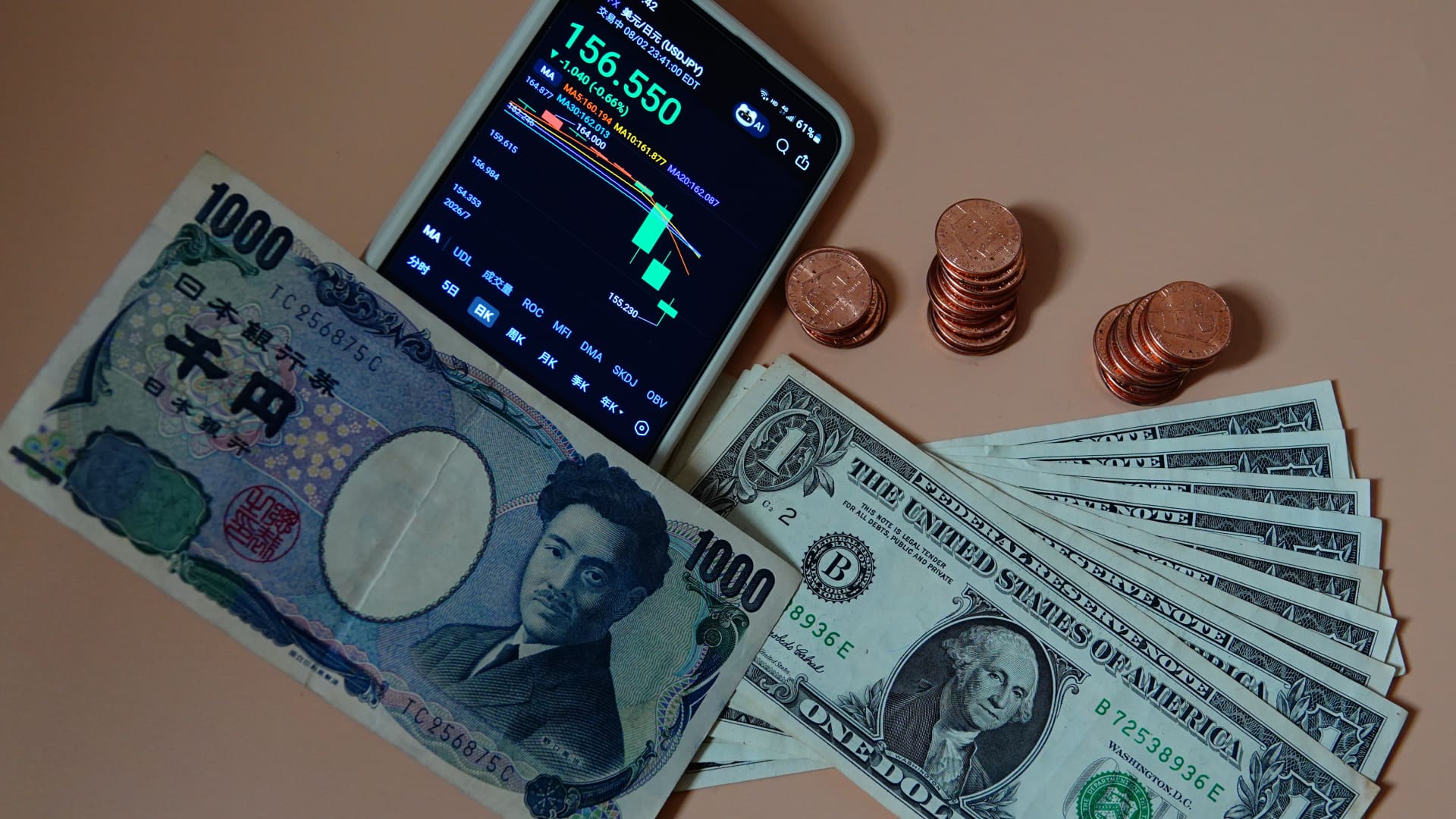
The operation initially strengthened the currency. Reuters reported that the yen rose from near 164 per dollar, a 40-year low, to as high as 155.20 by Aug. 3. It later weakened toward 160 before recovering to roughly 155 to 156 per dollar in early September.
Part of the yen-buying operation was coordinated with the United States, Reuters reported. Tokyo and Washington have also said Japan could use a Federal Reserve facility created in 2020 to obtain dollar liquidity without selling U.S. Treasuries outright, according to Reuters. That option could reduce the immediate need to liquidate securities if Japan conducts further large-scale intervention.
Japan’s reserves remain above $1.2 trillion, but August illustrates the trade-off in exchange-rate defense: supporting the yen can draw down the foreign-currency assets available to do it. The currency’s movement after the intervention also shows that official action can influence market pricing without fixing it at a permanent level.
This story draws on original reporting from CNBC.