Oil gains as U.S.-Iran threats put energy supply risk back in focus
WTI and Brent rose Friday after Tehran warned it would hit regional infrastructure if Trump ordered strikes on Iran’s key facilities.
By Dev Ramirez · Crypto Correspondent
· 3 min read
Oil prices climbed Friday as investors weighed a sharper exchange of threats between the United States and Iran. For everyday investors, moves in crude can ripple through energy stocks, fuel costs and inflation expectations, which helps explain why geopolitical risk can quickly show up in futures prices.
U.S. West Texas Intermediate crude futures for August delivery rose 1.32% to $80.09 a barrel, according to CNBC. Brent crude, the international benchmark, gained 1.33% to $85.35 a barrel for September delivery.
Futures are contracts tied to the future delivery price of a commodity. When traders see a higher chance that oil production, shipping routes or regional infrastructure could be disrupted, they often price in a risk premium. That means oil can rise even before any actual supply loss occurs.
Iran responds to Trump’s strike threat
The latest move followed comments from President Donald Trump and a warning from Iran’s military leadership.
In a Fox News interview Tuesday, Trump said U.S. forces would strike Iran’s infrastructure next week unless Washington and Tehran reached a diplomatic breakthrough, CNBC reported.
Iran answered Thursday in a statement posted on Telegram by a spokesperson for the country’s top military command. The spokesperson warned that if Trump carried out the threat, “everything that is still intact … that is, all the infrastructure in the region – will be crushed.”
The language raised concerns that a military escalation could affect infrastructure beyond Iran itself. The region is central to global energy markets because oil and gas shipments move through nearby routes, including the Strait of Hormuz.
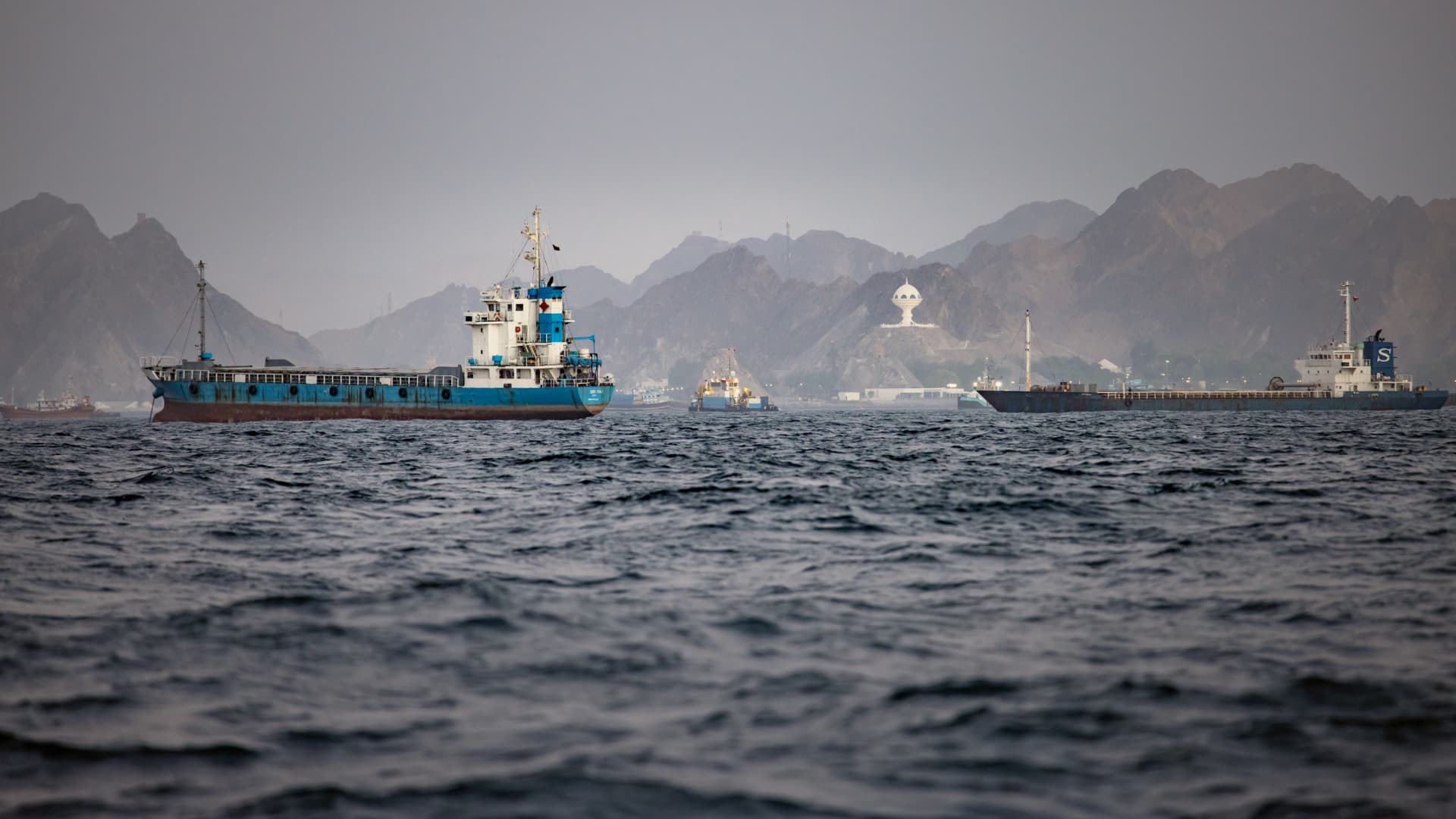
A Getty Images caption cited by CNBC described oil tankers and cargo vessels anchored off Port Sultan Qaboos in Oman on June 21. The caption said the Strait of Hormuz, a key shipping route for the region’s oil and gas, had been effectively blockaded since war broke out between the United States and Iran in late February. It also said a provisional peace deal was intended to reopen the waterway, though the timing remained unclear amid continued fighting in Lebanon.
Analysts still see room for a limited deal
Jorge León, senior vice president at Rystad Energy, wrote in a Friday note that a limited agreement between Washington and Tehran remained the firm’s base case, CNBC reported. He also said confidence in that outcome had weakened.
León said both sides still had economic reasons to avoid a full collapse in talks. According to his note, the U.S. wants lower oil prices ahead of the November midterm elections, while Iran has reasons to preserve potential economic benefits.
“Tehran has a substantial economic package on the table, including access to frozen assets and export waivers, that it does not want to walk away from permanently,” León said.
The market reaction shows how sensitive crude prices remain to signs of military risk in a major producing and shipping region. The next test for investors is whether the threats lead to actual disruptions or return to diplomacy.
This story draws on original reporting from CNBC.