Trump says U.S. could hit Iran power plants as oil edges higher
Trump told Fox News that U.S. strikes on Iran could expand to power plants and bridges next week if diplomacy fails.
By Maya Okafor · Markets Writer
· 3 min read
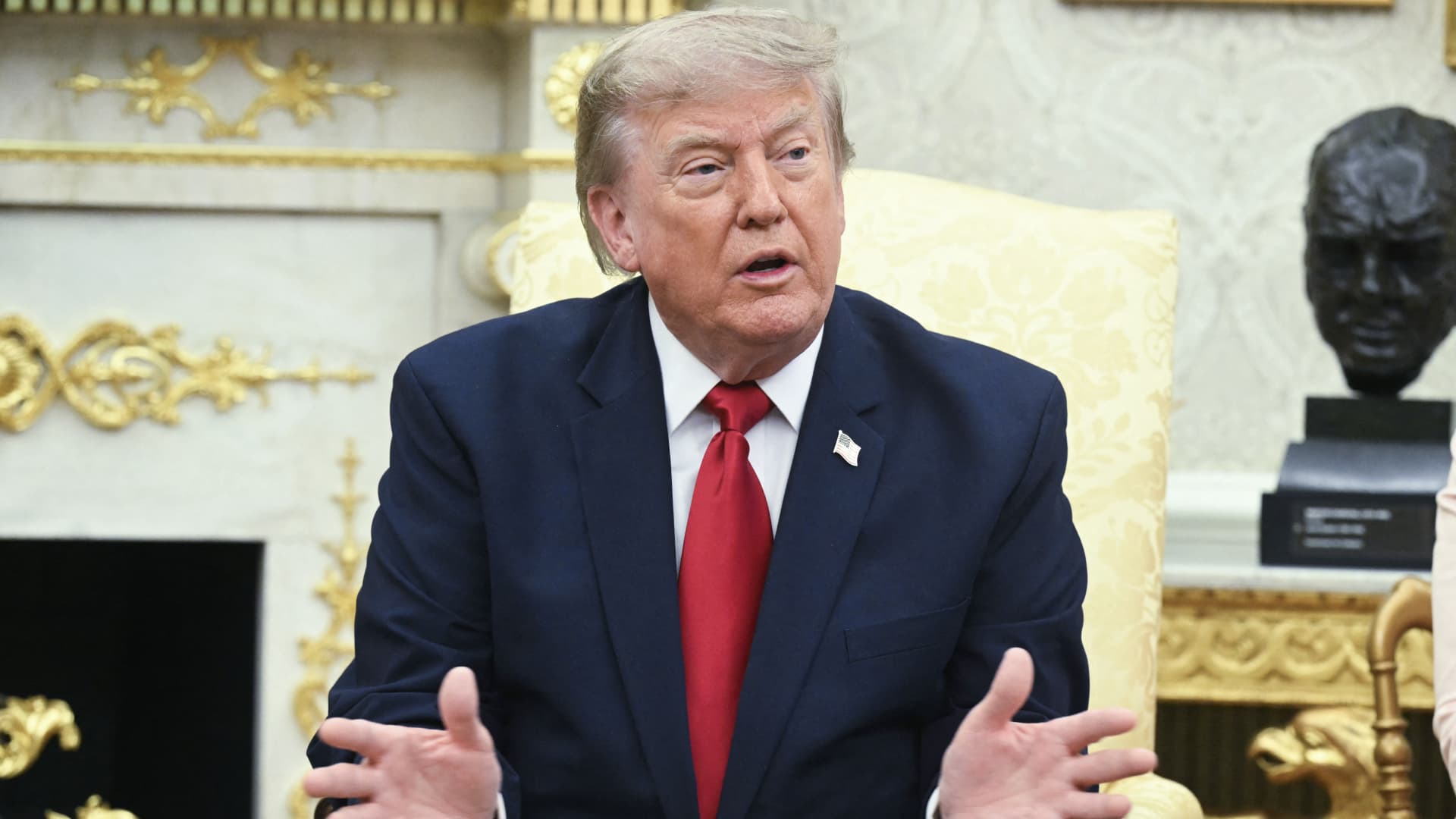
President Donald Trump said U.S. attacks on Iran could intensify in the coming days, including strikes on power plants and bridges next week if Tehran does not enter peace talks. For investors, the immediate market read-through is oil: worries about shipping through the Strait of Hormuz helped keep Brent crude above $85 a barrel Wednesday morning, CNBC reported.
Trump made the comments Tuesday evening in an interview with Fox News, saying the U.S. military would continue hitting Iran over successive nights. “We’re going to hit them very hard tonight,” Trump said. “We’re going to hit them hard tomorrow night. We’re going to hit them really hard the night after.”
He then linked the next phase of strikes to diplomacy, saying U.S. forces could move against major Iranian infrastructure if there is no breakthrough. “Next week it gets really bad for them because next week comes the power plants,” Trump told Fox News. “Next week comes the bridges. We’re going to knock out all their power plants. We’re going to knock out all their bridges unless they get to the table and negotiate.”
The remarks followed additional U.S. Central Command strikes against Iran on Tuesday, according to CNBC. CNBC also reported that Tehran has launched attacks on multiple Gulf countries.
Hormuz remains the market pressure point
The fighting has put renewed attention on the Strait of Hormuz, a narrow Middle East waterway that is a critical route for oil shipments. When traders worry that tankers may face delays, attacks or higher insurance costs, oil futures can rise because the market prices in the risk of tighter supply.
CNBC reported that oil prices moved higher Wednesday morning while concerns about safe transit through the Strait of Hormuz persisted. Brent crude futures, the global oil benchmark, held above $85 per barrel. A futures contract is an agreement to buy or sell a commodity at a set price for delivery later, and the front-month contract is the one closest to expiration.
The latest escalation follows U.S. strikes last week on dozens of Iranian targets, which CNBC said were retaliation for attacks on commercial ships passing through the Strait of Hormuz. Trump later said the ceasefire between Washington and Tehran was “over,” according to CNBC.
Trump dropped a proposed Hormuz levy
Earlier in the week, Trump threatened a 20% levy on cargo shipped through the Strait of Hormuz, CNBC reported. He abandoned that demand on Tuesday and said Gulf states would instead invest in the U.S. as repayment, according to CNBC.
Jakob Larsen, chief safety and security officer at international shipping group BIMCO, told CNBC’s “Squawk Box Europe” on Wednesday that shifting messages have made conditions harder for the industry. “All these messages going back and forth and changing direction completely just adds to the confusion and the complexity of the whole situation,” Larsen said.
Larsen said the broader environment points to “increased uncertainty, increased risks,” adding that “with that comes higher prices.” For markets, that keeps energy costs and geopolitical risk near the center of the week’s trading story.
This story draws on original reporting from CNBC.


