Trump-Xi summit produced tariff rollback and two-month trade truce extension
CNBC said the Washington meeting paired a $30 billion tariff rollback with limited progress on larger issues, as analysts saw domestic signaling.
By Theo Nakamura · Staff Writer
· 3 min read
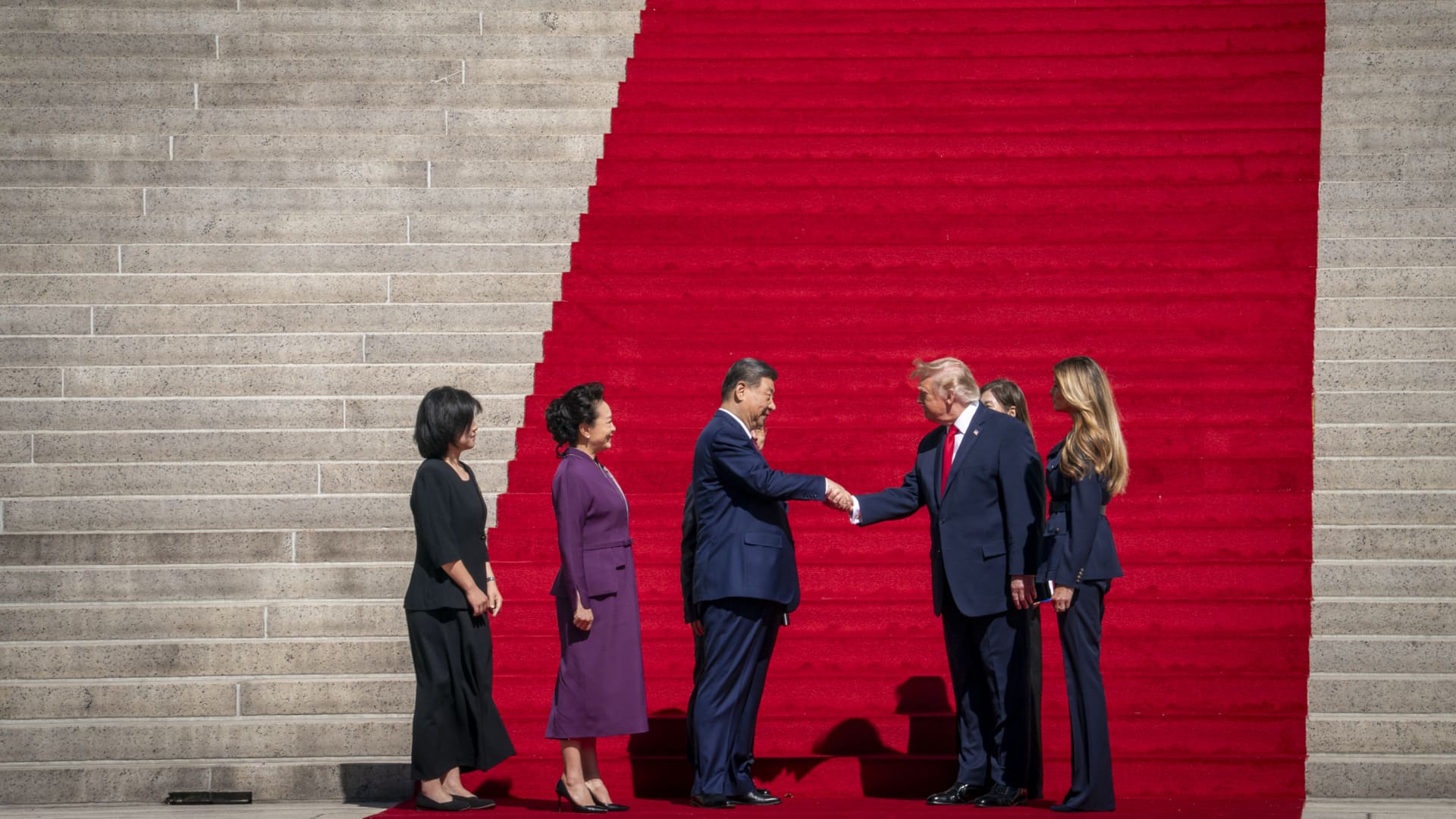
The Trump-Xi summit domestic messaging was as prominent as its policy deliverables, according to CNBC’s latest China Connection newsletter. The meeting in Washington, D.C., produced plans for a $30 billion rollback of tariffs on non-sensitive goods and a two-month extension of the U.S.-China trade truce, offering some near-term clarity for businesses and consumers while leaving larger disputes largely unresolved.
CNBC described the Washington meeting as the second summit between President Donald Trump and Chinese President Xi Jinping in 2026. Its assessment was an interpretation of the event, rather than an official explanation of either government’s motives: the network reported that analysts viewed much of the summit as directed toward each leader’s audience at home.
What did the Trump-Xi summit actually produce?
The tariff rollback was the most detailed result reported by CNBC. The planned cuts cover non-sensitive products from both countries. CNBC said the U.S. list included curtains, sports equipment and Christmas lights, while China’s list included U.S. beef, soymeal and ice cream.
The countries also agreed to extend their trade truce by two months and to continue talks. CNBC said the truce keeps tariffs lower and rare earths flowing. The two governments also planned discussions on artificial intelligence in coming weeks.
A trade truce is a temporary pause or reduction in trade restrictions. In this case, it does not settle broader disagreements. CNBC said the official accounts of the summit showed little progress on major issues beyond the truce extension and an agreement to keep negotiating.
Why did analysts see domestic signaling?
Cameron Johnson, a Shanghai-based senior partner at Tidal Wave Solutions, told CNBC that both sides were signaling to their own constituencies. He said neither country can do much in technology without the other, making it useful to convey that competition can be managed.
Hai Zhao, a director of international political studies at the state-affiliated Chinese Academy of Social Sciences, told CNBC that maintaining domestic stability and prosperity was the leading priority for both leaders. Larry Hu, Macquarie’s chief China economist, wrote that signs of stability carry weight with domestic audiences and entrepreneurs concerned about the external environment after years of tensions.
The political calendar adds context to that assessment. CNBC reported that Trump faces early-November midterm elections, while Xi is set to oversee a late-October plenary meeting intended to unify China’s ruling Communist Party. CNBC also said the leaders planned further meetings in Shenzhen in November and Miami in December.
For investors, the concrete items are the tariff plan, the temporary truce and continuing AI talks. CNBC’s reporting suggests the broader economic and technology relationship remains a negotiation, not a settled agreement.
This story draws on original reporting from CNBC.