Wall Street turns to AI as Warsh pulls back Fed guidance
Firms are building tools to read Fed Chair Kevin Warsh as the central bank cuts back on public signals about interest-rate plans.
By Theo Nakamura · Staff Writer
· 4 min read
Wall Street is preparing for a Federal Reserve that says less about where interest rates may go next. For everyday investors, that could mean more uncertainty around bonds, rate-sensitive stocks and funds tied to Treasurys or inflation.
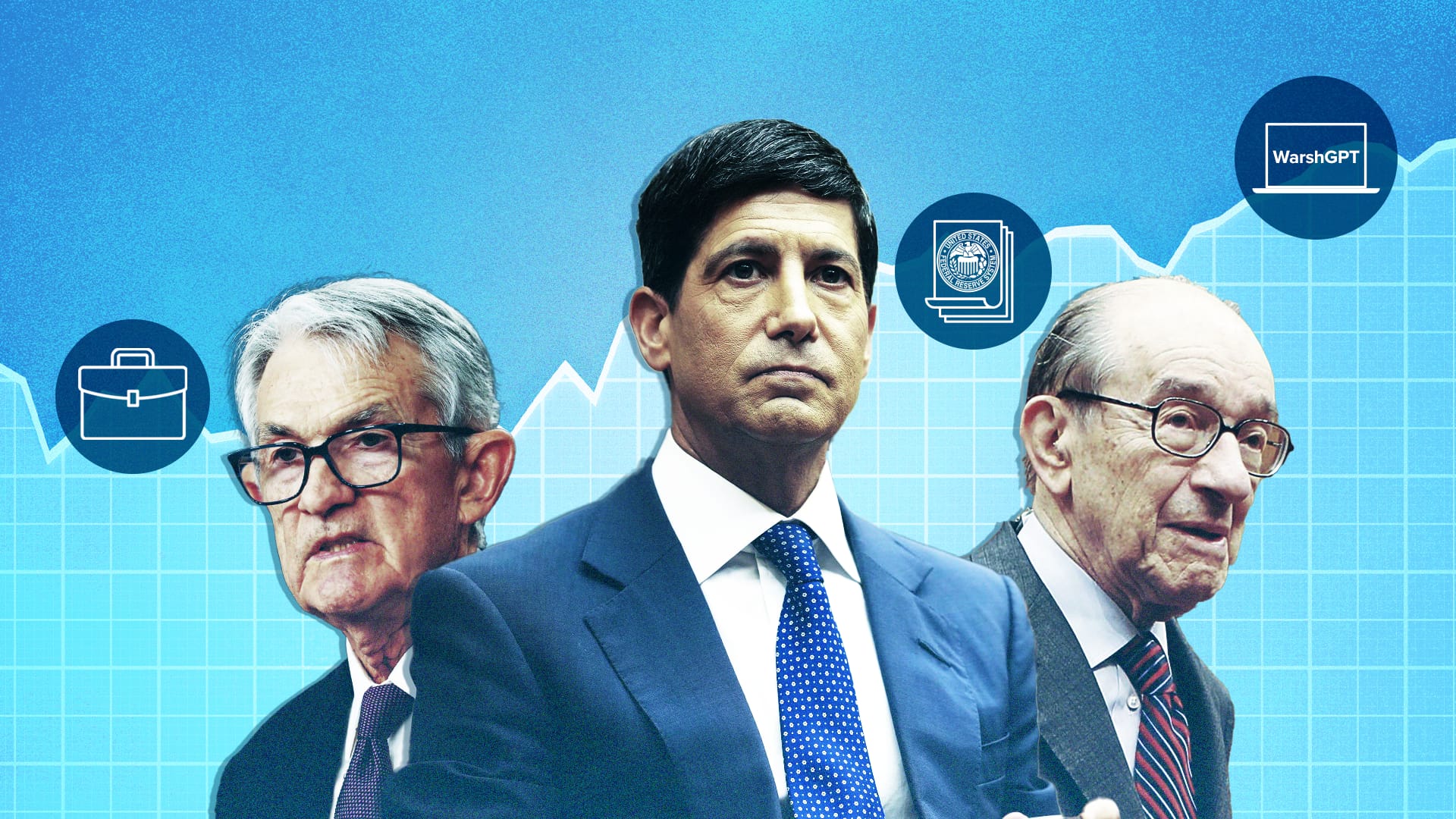
Fed Chair Kevin Warsh, who took the job in May, has started changing how the central bank communicates with markets. The shift matters because investors often price stocks, bonds and currencies based on expected Fed moves. When the Fed gives fewer clues, markets have less public information to work with before policy decisions.
F/m Investments, which manages exchange-traded funds linked to inflation and U.S. Treasurys, has responded with an artificial intelligence tool called WarshGPT. The firm said the chatbot reviews nearly 1,800 Warsh documents and transcripts to help users understand how he may think about the economy and monetary policy.
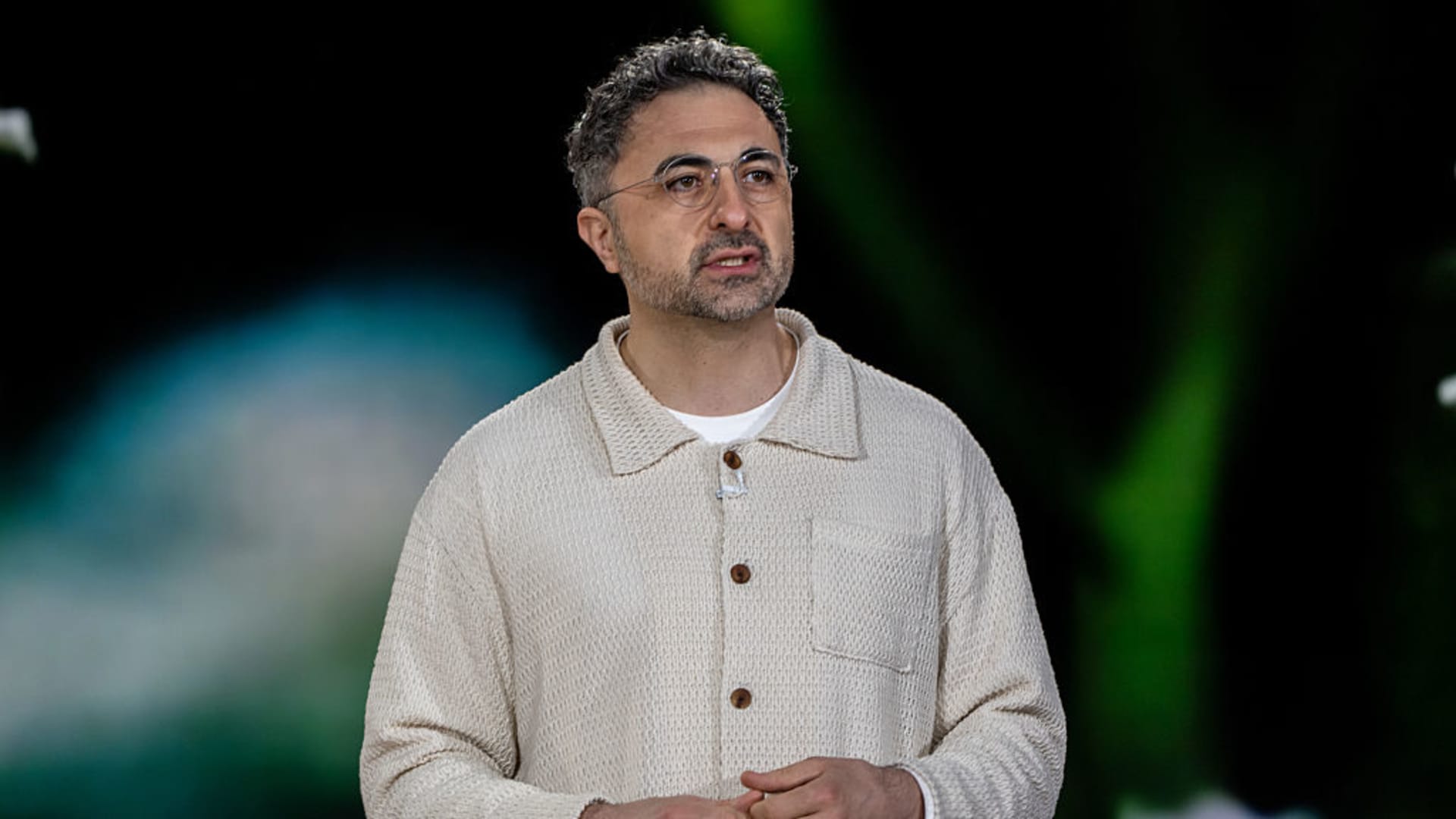
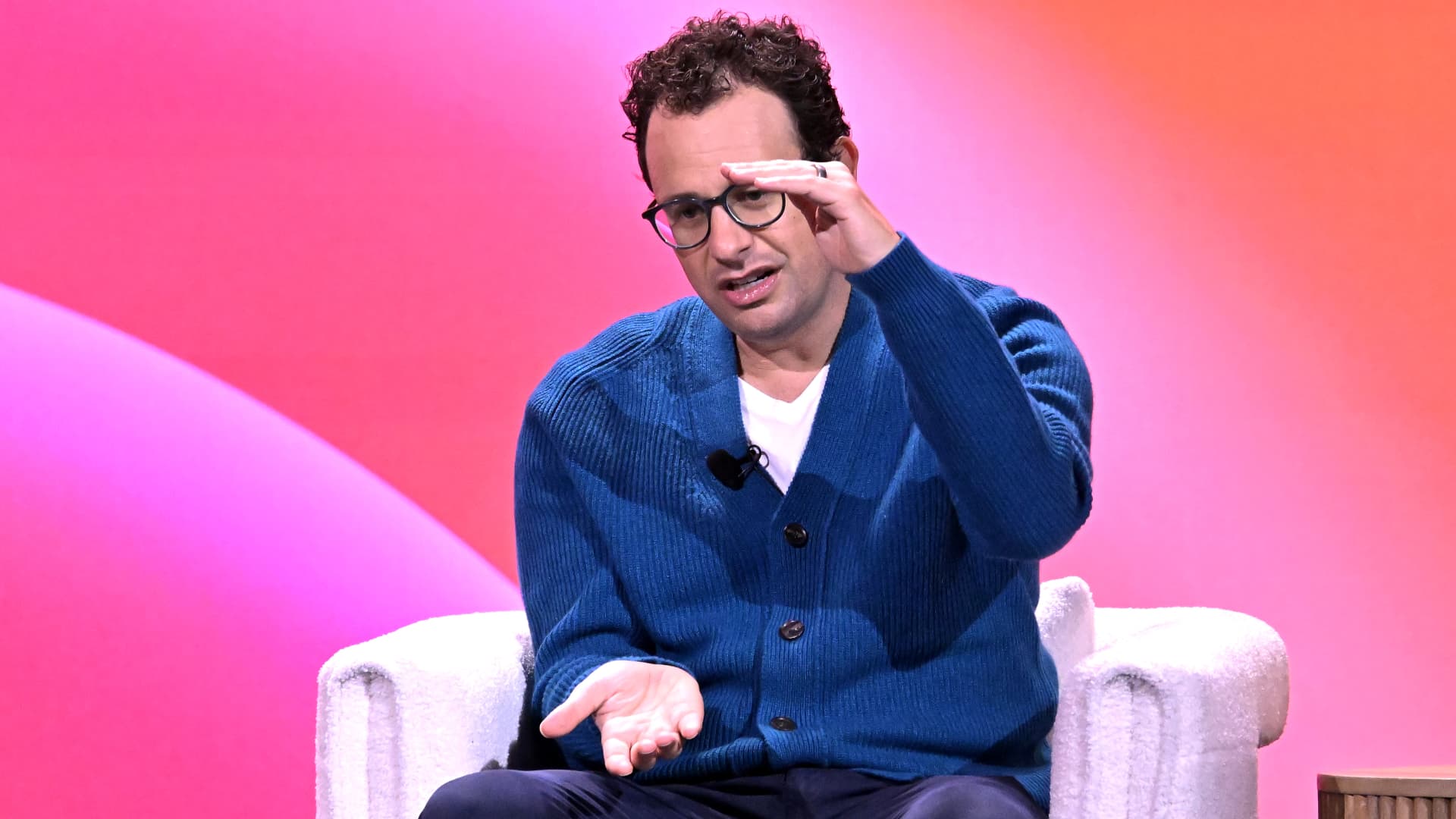
CEO Alexander Morris told CNBC that his firm has built part of its business around interpreting Fed communication, often called Fedspeak, the dense language central bankers use when discussing policy. He said Warsh’s plan to say less has changed that process.
A shorter Fed message
Warsh has already signaled a different style. The Fed’s June meeting statement, its first under Warsh, ran about 130 words, according to CNBC analysis. Prior statements had topped 300 words. Warsh said the statement was shorter and simpler, and that it intentionally left out forward guidance, meaning public hints about future policy moves.
UBS also found a change in Warsh’s first press conference after a rate decision. According to the bank, 5% of his sentences were related to policy, compared with an average of 27% under former Chair Jerome Powell.
Gary Richardson, a former Fed historian and now an economics professor at the University of California, Irvine, told CNBC that investors will still try to understand what the Fed is likely to do, even with less information. He said a lower-transparency environment could push firms to use any tools they can to infer the central bank’s thinking.
AI enters the Fed-watching business
F/m built WarshGPT using Anthropic’s Claude model, despite the name’s nod to OpenAI’s ChatGPT. The firm said the project cost less than $1,000 and took about two weeks from idea to launch, including testing by Fed alumni and newsletter writers.
The tool also uses economic and political history for context, according to F/m. The firm has limited its functions: it does not speak as Warsh and does not produce forecasts or forward-looking policy statements.
UBS has its own client dashboard that tracks the Fed’s policy tone. Elena Amoruso, a strategist at the bank, told CNBC the tool is designed to give users an unbiased reading of Warsh’s meeting commentary. After his first policy meeting as chair, she told clients his policy-related comments were strongly hawkish, meaning they leaned toward tighter monetary policy, based on his comments about jobs, growth and inflation.
JPMorgan Asset Management is also preparing for potential changes. Chief global strategist David Kelly told CNBC that if the Fed drops the dot plot, the quarterly chart showing officials’ own interest-rate expectations, his team would spend more time reading speeches from Federal Open Market Committee members. The FOMC is the Fed group that sets interest rates.
More room for market swings
Some investors expect less guidance to create bigger market reactions after Fed meetings or public remarks. Steve Friedman, a former New York Fed official and now senior macroeconomist at MacKay Shields, told CNBC that less clarity on the Fed’s reaction function, meaning how it responds to economic data, could be negative for the economy. He also said it could create opportunities for investors with strong policy frameworks.
Fed watchers are already split. CME’s FedWatch tool shows fed funds futures traders pricing an almost 59% chance of a September rate increase. Kalshi traders, by contrast, see no change as the most likely outcome for that meeting.
Richardson told CNBC that ordinary investors already face a difficult task in understanding Fed policy, and that the job could become harder if Warsh’s Fed offers fewer signals.
This story draws on original reporting from CNBC.