Fed rate decision leaves crypto slightly lower as rates stay steady
The Fed kept rates at 3.5% to 3.75%, and Bitcoin and Ethereum slipped as investors weighed inflation and hawkish dissents.
By Sofia Marchetti · Columnist
· 3 min read
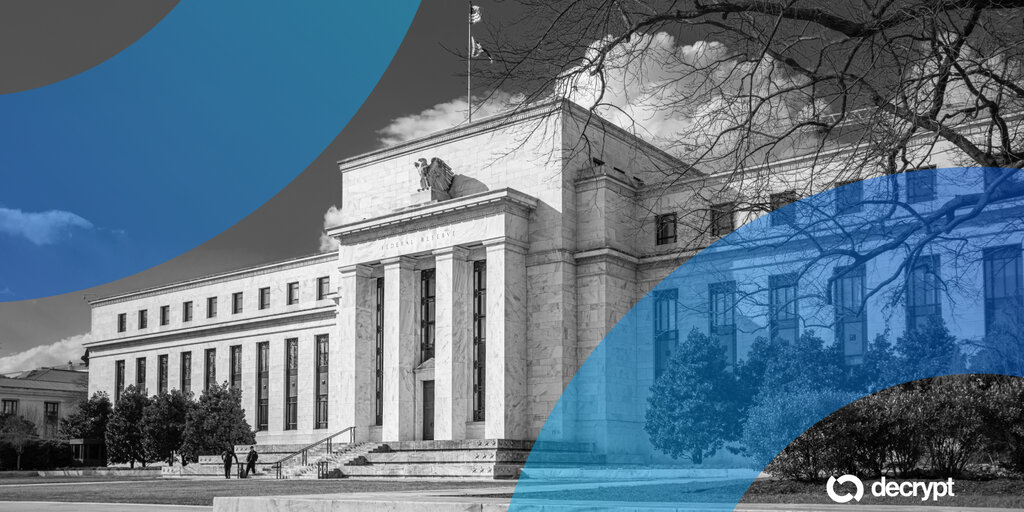
The Fed rate decision crypto traders were watching ended with no change in policy, and the immediate reaction in Bitcoin and Ethereum was slightly negative. For everyday investors, the takeaway is that the market did not get a rate cut, a fresh Fed forecast, or a clear signal that easier money is close.
The Federal Reserve held its benchmark interest-rate range at 3.5% to 3.75% on Wednesday, according to the central bank’s decision. Decrypt reported that Bitcoin fell about 1% to around $63,890 shortly after the 2 p.m. ET announcement, while Ethereum also slipped about 1% and traded just above $1,900.
The move matched what Decrypt described as near-universal market expectations. Still, stocks sold off as investors weighed a more hawkish Fed split and fresh geopolitical stress tied to the Middle East, according to the report.
Why did crypto move after the Fed held rates steady?
Crypto often trades like a risk asset, meaning it can react to changes in the expected return on safer investments. When interest rates are high, cash and government bonds can look more attractive, while speculative assets such as Bitcoin and Ethereum may face more pressure.
Lower rates can make borrowing cheaper and may encourage investors to take more risk. Higher rates do the opposite: mortgages, business loans and credit-card balances become more expensive, which can slow spending and help cool inflation.
The Fed’s decision was the fifth straight hold since a 25-basis-point cut in December 2025, according to Decrypt. A basis point is one-hundredth of a percentage point, so 25 basis points equals 0.25 percentage point.
Kevin Warsh, described by Decrypt as President Trump’s pick for Fed chair, has kept rates unchanged since taking over from Jerome Powell. Decrypt reported that Warsh has also promised to offer less forward guidance, the term central bankers use for clues about where policy may go next.
What was missing from this Fed meeting?
The Fed did not release a new Summary of Economic Projections on Wednesday. That quarterly document includes the so-called dot plot, a chart showing where individual Fed policymakers think interest rates could be headed.
Without that update, traders had fewer new signals to price in. The next dot plot is scheduled for September, according to Decrypt.
Kiplinger reported that the Fed said the economy is expanding at a solid pace, while inflation remains above the central bank’s 2% goal. The Fed also pointed to the Middle East as a factor lifting energy prices, according to Kiplinger.
That inflation backdrop is why the market is still paying attention to the possibility of another increase. Decrypt reported that nearly half of Federal Open Market Committee members signaled at the June meeting that they could support a rate hike before the end of the year. The Federal Open Market Committee, or FOMC, is the Fed group that votes on interest-rate policy.
CNN reported that three regional Fed bank presidents, Beth Hammack of Cleveland, Neel Kashkari of Minneapolis and Lorie Logan of Dallas, dissented from the hold and favored an immediate 25-basis-point increase. Decrypt called that the most hawkish bloc of dissents of Warsh’s tenure, using hawkish to mean favoring tighter policy to fight inflation.
Geopolitics added another layer. Decrypt reported that oil rose nearly $4 to $83 before the Fed decision, after joint U.S. and Saudi Arabian retaliatory strikes on Iranian-backed forces in Iraq killed at least 20 people. Higher oil prices can feed inflation, which gives rate-hike supporters a stronger argument.
The next FOMC decision is scheduled for September 16, 2026, when the Fed is also expected to publish updated economic projections and a new dot plot.
This story draws on original reporting from Decrypt.